Just Like the Bakery: My Nothing Bundt Cake Recipe Story
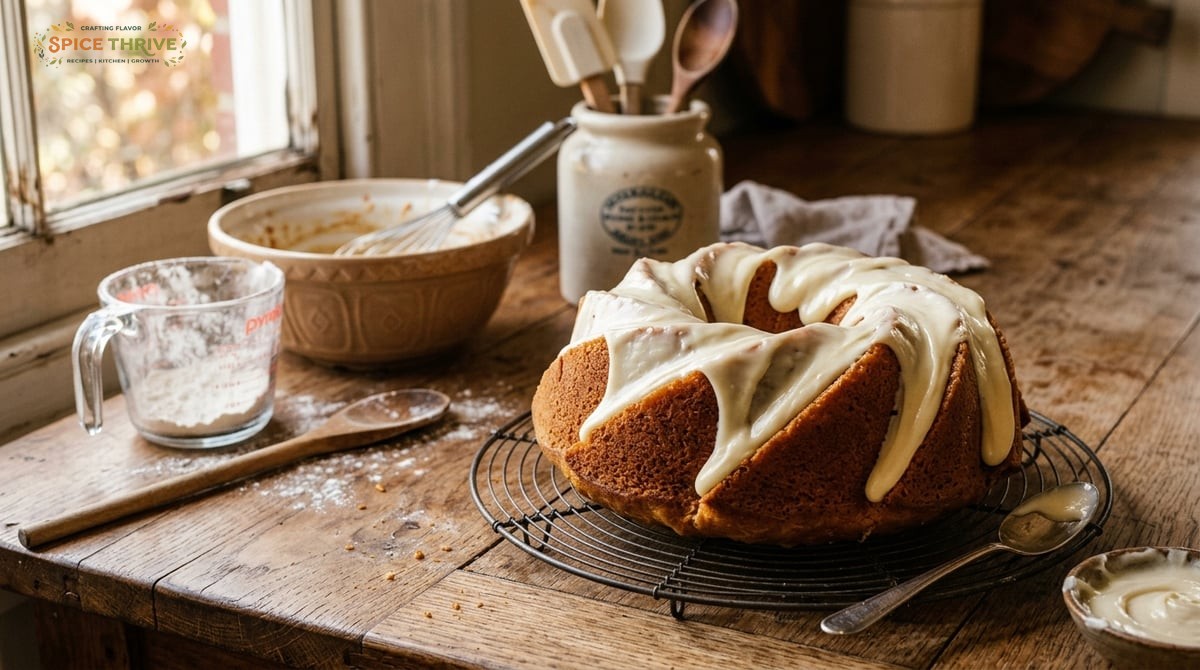
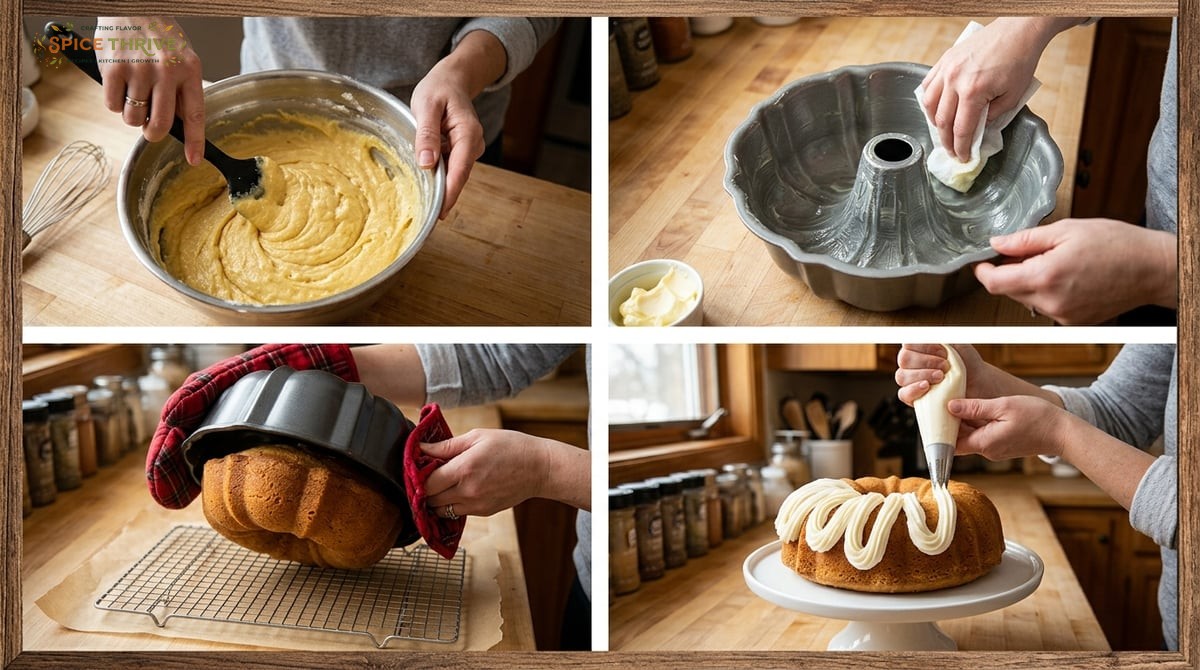
Baking bundt cakes has been a family tradition since I was a kid, but after tasting a slice of Nothing Bundt Cake from their famous bakery, I became hooked on that ultra-moist, velvety texture and thick, creamy frosting. My first few home tries were honestly disappointing: either the cake stuck to the pan or it turned out dry. After six rounds of testing (with two spectacular sticking disasters and more than a few sugar tweaks), I finally nailed a copycat recipe that’s impossibly moist, sweet but balanced, and tastes just like the real deal. These photos are right from my kitchen—the soft crumb, the glossy ribbons of cream cheese icing, and the golden crust.
Thinking back to my earliest bundt bakes, I remember how each attempt taught me something new about patience and precision—how using a proper pan or sifting the flour really makes a difference. Watching my kids swirl the icing and sneak tastes, I realized this cake brought out the same excitement in them that sparked my own love for baking.
Trust me, if you love bakery-style bundt cakes, you’re about to find your new favorite recipe to impress everyone, for birthdays or any treat-yourself moment. The first time I brought this out for a friend’s baby shower, there were zero leftovers—people even asked which bakery it came from, and the surprise on their faces when I said it was homemade was priceless.
Why You’ll Love This Nothing Bundt Cake Recipe
- Impossibly tender crumb: After several tests, the cake turns out light, moist, and slices cleanly every time—no dense or gummy bits. Real bakery cakes can sometimes dry out or toughen if kept overnight, but this recipe retains its softness even after being chilled and brought back to room temperature.
- Creamy, tangy frosting: The signature cream cheese icing is silky and thick, never runny, and perfectly pipes into those bakery-style swoops. Many readers remark it’s their favorite part, especially since it holds up well to piping and doesn’t “weep” after sitting out for parties.
- No-fail pan release method: Learn the exact greasing and flouring process (step 2) that guarantees your cake pops out whole—no tears or crumbles. This was perfected after not one, but two cakes split clean in half on my first attempts, and now it works reliably every time even for elaborately detailed pans.
- Flexible and fun: Works with chocolate, lemon, or funfetti swaps (see variations) so you can riff on your favorite Nothing Bundt Cake flavors at home. Want to match the red velvet or strawberries-and-cream version? This base batter adapts seamlessly for nearly endless bakery-cake possibilities.
- Tested for home kitchens: Every step was refined after lots of trial and error, so you get stress-free results even if you’re new to bundt cakes. Whether you use a classic nonstick bundt or a patterned silicone pan, directions have been adjusted for fuss-free baking at home.
Ingredients: What Makes a Nothing Bundt Cake So Good?
This recipe is a vanilla classic, but see swaps at the bottom for other flavors:
- All-purpose flour: 2 1/2 cups (315g). Gives structure, but sifting helps keep the crumb light. Gluten-free notes below. For more flavor depth, you can swap out a couple tablespoons for cake flour, giving an even finer texture—like many classic bakery cakes.
- Granulated sugar: 2 cups (400g). For sweetness and moisture. I’ve tried a mix of white and superfine bakers’ sugar, and the result is a slightly silkier crumb, but standard sugar is perfect for the average pantry.
- Unsalted butter: 1 cup (227g), room temperature. Adds richness and flavor. Use dairy-free sticks if needed. I recommend real butter for the most authentic taste, but high-quality vegan alternatives perform admirably without changing structure.
- Vegetable oil: 1/2 cup (120ml). Key for a moist cake that stays soft even after chilling. You can use canola or light olive oil, but avoid extra-virgin since its flavor dominates a delicate vanilla base.
- Full-fat sour cream: 1 cup (225g). Adds tangy depth and that iconic moistness. Plain Greek yogurt also works in a pinch. The tang from sour cream is vital—it keeps things tasting truly bakery-style rather than just sweet.
- Cream cheese: 8oz (226g), room temperature, right in the batter for extra richness (not just in the icing!). This is the secret to ultra-moist crumb—try it in other cakes for a soft, plush texture.
- Large eggs: 4. Bind the cake and contribute to the fluffy rise. For extra richness, use pasture-raised; the more golden yolks add subtle color.
- Pure vanilla extract: 1 tablespoon (15ml). Don’t skimp—this is your main flavor. Using vanilla bean paste or seeds from a pod results in fragrant speckles and an even more aromatic cake.
- Baking powder & baking soda: 2 tsp & 1/2 tsp. Double lift for maximum fluffiness. This combo creates an even rise without the slightly bitter aftertaste of baking soda alone.
- Salt: 1/2 teaspoon. Enhances all the sweet flavors. I use fine sea salt for even distribution, but any table salt works.
- Cream cheese (for icing): 8oz (226g). Full-fat makes frosting thick and stable. Reduced-fat can make icing runnier and less rich.
- Powdered sugar (for icing): 2 cups (240g). Sweetens and helps the frosting pipe beautifully. Sifting before adding prevents lumps and creates a silkier texture.
- Butter (for icing): 4 tablespoons (57g), soft. Adds richness and pipes clean lines. Real butter helps the frosting hold its shape, especially after chilling.
- Heavy cream (for icing): 2 tablespoons (30ml). To loosen the icing just right for swooping. In a pinch, whole milk works, but the thickest icing comes from cream.
- More vanilla (for icing): 1 teaspoon (5ml). Boosts those bakery vibes. If you love those flecks, try vanilla bean paste for an even more delightful bakery finish.
Ingredient tip: For that extra moistness that keeps bakery bundt cakes so famous, ingredients like sour cream and cream cheese in the batter act as humectants, so every bite stays soft, never dry.
Step-by-Step: How To Make Nothing Bundt Cake at Home
- Prep the pan well. Use a pastry brush to spread melted butter or shortening over every crease, then dust generously with flour. Don’t miss a spot. For pans with deep ridges, getting into every corner is essential—tap out excess flour so it doesn’t cake in the grooves. Some bakers even make a “cake release paste” (equal parts butter, shortening, and flour mixed to a spreadable consistency) for foolproof results.
- Cream, then beat: In a mixer, beat butter, sugar, and cream cheese until pale, fluffy, and smooth (about 3-4 minutes). The air you add here = lightness. Use the paddle attachment for the best result—a balloon whisk can introduce too much air, which occasionally causes cracks.
- Add eggs, one at a time: Mix well after each, scraping the bowl. Batter should look silky, not broken. If it looks curdled, don’t worry—adding the flour will bring it together.
- Mix dry and wet alternately: Whisk flour, salt, baking powder, and soda. On low, add dry in thirds, alternating with sour cream and oil. Mix until just combined—overmixing = tough cake! Always end with flour for optimal texture. Scrape down the sides and bottom to ensure no dry spots remain.
- Bake: Pour into your greased bundt pan, smoothing the top. Bake at 350°F (177°C) for 45-50 minutes. A toothpick should come out mostly clean—moist crumbs are perfect. Rotate the pan at the halfway mark if your oven bakes unevenly. The cake should pull away slightly from the pan’s edges when it’s done.
- Cool and invert: Let the cake cool 10 minutes exactly, then turn out onto a rack. If any sticks, gently run a thin spatula around the edges. Cooling longer can cause the cake to sweat and stick; unmolding too soon can split it.
- Make icing: Beat cream cheese and butter until fluffy, then slowly add powdered sugar, cream, and vanilla. Beat until thick, creamy, and holds soft peaks. Scrape the bowl often—undermixed frosting won’t pipe smoothly. If your kitchen is warm, chill the frosting for 10 minutes before piping to get clean stripes.
- Decorate: Pipe frosting in thick stripes into the grooves, and chill if you want those bakery-firm lines. Let sit at room temp before slicing. For a classic bakery presentation, use a large round tip and pipe with a steady hand, pressing evenly so each groove is thick and plush like the store version.
Extra tip: Bundt cakes often taste even better the next day as the flavors meld. For a party, bake the day before and frost the morning of for maximum convenience and flavor.
Real-World Pro Tips: Getting Bakery-Level Bundt Cake at Home
- My first bake stuck badly—removing it while still too warm! The 10-minute cooling is magic for release. If using a particularly intricate pan, dust with flour a second time after greasing to really ensure nothing clings. Bakers often recommend a cake release spray with flour for complex shapes—test your pan if it’s new or nonstick coating is wearing down.
- Use room temp butter, cream cheese, and eggs. Cold ingredients = lumpy batter and uneven lift. Set them out at least 60 minutes before starting. In a pinch, submerge eggs in warm water for 10 minutes to take the chill off.
- Sift your flour for a finer crumb, especially with vanilla cakes. Skipping this made my first try a bit heavy. If you want the fluffiest texture, sift before measuring, then again with the leaveners. This prevents a dense or gummy center, common with quick-mixed cakes.
- If you want chocolate or red velvet, add 2/3 cup (80g) unsweetened cocoa and boost sugar by 1/4 cup (50g). Add a couple drops of red gel color for that iconic red velvet shade, along with a splash of white vinegar to bring out the cocoa notes.
- Don’t overbeat after adding flour! Trust me. My second attempt was tough until I got gentle hands. Use a spatula to finish mixing just until no dry streaks remain—overbeating tightens gluten and produces a chewier cake, which isn’t the bakery texture you want.
- Real bakery cakes use a thick icing layer. Pipe generously and let it set for that signature look. If you love extra frosting, prepare a double batch and chill briefly to keep lines tidy. For a glossy finish, heat the frosted cake for a few seconds with a hair dryer on low (yes, really)—it’ll shine like a display case treat.
- Don’t rush the cooling! Letting the cake rest on a wire rack ensures air circulates all around, preventing sogginess on the bottom and ensuring that signature golden crust stays crisp. If transporting the cake, frost it after transferring to your serving platter for clean stripes and easy movement.
Variations & Dietary Swaps
- Chocolate bundt: Sub 2/3 cup (80g) cocoa powder for some flour and add chocolate chips for a Copycat Chocolate Chocolate Chip flavor. For a double chocolate effect, swirl half the icing with melted chocolate before piping.
- Lemon version: Add 2 tbsp (fresh zest and juice) of lemon and a little yellow gel color. Use lemon extract in the frosting for an extra citrus punch. If you love tartness, brush the baked cake with a lemon simple syrup before icing for maximum zing.
- Funfetti: Stir in 1/2 cup (80g) rainbow sprinkles for a party style cake. Pairs beautifully with the classic cream cheese icing. Gently fold sprinkles in by hand to avoid color bleeding.
- Gluten-free: Cup-for-cup gluten-free flour blends work well here, but add 1/2 tsp xanthan gum if your blend doesn’t already contain it and check cake an extra 5 minutes earlier. The cake may not rise as high, but texture will remain very moist—especially if you use full-fat sour cream or yogurt.
- Dairy-free: Use plant-based butter, vegan cream cheese, and coconut-based sour cream or full-fat yogurt alternatives. Texture remains moist and rich. Oatly’s or Miyoko’s vegan products work especially well and have been reader-tested with great results.
- Egg-free: 1/4 cup (60g) applesauce or 2 tbsp ground flax + 6 tbsp water per egg works, but structure is a little softer—chill before inverting. For best flavor, add a pinch of turmeric for color and a splash of vinegar for lift—your cake will be golden and tender even without eggs.
- Red velvet: For a classic red velvet swap, add 2 tablespoons cocoa, a teaspoon of vinegar, and red food coloring. Frost with extra-thick cream cheese icing and dust with fine cake crumbs for bakery style.
Personal tip: I’ve baked dairy- and gluten-free versions for friends’ birthdays and always get glowing reviews. Texture changes are subtle—most guests can’t even tell it’s an allergy-friendly recipe!
How to Store, Make Ahead, & Reheat Nothing Bundt Cake
- Room temperature: Cake (without frosting) can sit, covered, for up to 2 days. To keep it extra moist, wrap tightly in plastic then foil—especially if your kitchen is dry.
- Frosted cake: Store airtight in the fridge for up to 5 days. Bring to room temp before serving for the best flavor and softness. The icing stays thick and dreamy, not watery. Pro tip: frost the cake when fully cool and refrigerate for at least an hour before slicing with a hot, clean knife for bakery-worthy pieces.
- Freezer: Double wrap unfrosted cake slices tightly and freeze for up to 2 months. Defrost overnight in the fridge before icing and serving. Individual slices can be packed for packed lunches or snacks with zero loss of moisture.
- Make ahead: Bake one day ahead; wrap well. Frost before serving. The flavors meld overnight and the crumb becomes even more tender, similar to classic bakery bundt cakes that “rest” before sale.
- Reheating: For a warm, bakery-soft bite, microwave slices for 10-15 seconds. Icing turns a little glossy but tastes incredible. For a crisp crust, pop slices under a broiler for 30 seconds after microwaving—just watch closely!
- Transporting: To bring your cake to parties or events, freeze it for 30 minutes after icing (so the frosting sets) and place it on a cake round in a box lined with parchment. This method keeps the decorations intact on arrival.
Bakery-Style Bundt Cake: Printable Recipe Card & Nutrition
Copycat Nothing Bundt Cake (Bakery-Style Bundt Cake)
- Prep time: 20 minutes
- Cook time: 50 minutes
- Total time: 1 hour 10 minutes
- Yield: 12-16 slices
Ingredients
- 2 1/2 cups (315g) all-purpose flour (or cup-for-cup GF blend)
- 2 cups (400g) granulated sugar
- 1 cup (227g) unsalted butter, softened
- 1/2 cup (120ml) vegetable oil
- 1 cup (225g) full-fat sour cream or Greek yogurt
- 8oz (226g) cream cheese, softened
- 4 large eggs, at room temperature
- 1 tablespoon (15ml) pure vanilla extract
- 2 teaspoons baking powder
- 1/2 teaspoon baking soda
- 1/2 teaspoon salt
- ICING:
8oz (226g) cream cheese
2 cups (240g) powdered sugar
4 tablespoons (57g) butter, softened
2 tablespoons (30ml) heavy cream
1 teaspoon (5ml) vanilla
Instructions
- Preheat oven to 350°F (177°C). Grease and flour a 10-cup bundt pan thoroughly, ensuring every ridge is coated for easy removal.
- Beat butter, sugar, and cream cheese until pale and fluffy (3-4 min). Scrape bowl as needed to ensure even mixing—this forms the cake’s moisture base.
- Add eggs one at a time, mixing well and scraping the bowl. Don’t rush—incorporating eggs slowly keeps the batter smooth and emulsified.
- Whisk flour, baking powder, soda, and salt. Add dry and wet ingredients alternately (with sour cream and oil) on low speed. Stop when just combined. Finishing by hand with a spatula prevents overmixing and tough crumb.
- Pour batter into pan. Smooth the top. Bake 45-50 min, or until a tester comes out with moist crumbs. The cake should spring back lightly when pressed.
- Cool cake in pan 10 min. Invert onto rack and chill 30 min for clean icing. If cake resists release, gently tap the pan or run a thin spatula around the edges to loosen.
- For icing: Beat cream cheese and butter until fluffy. Beat in sugar, cream, and vanilla until thick but pipeable. If too thick, add a few more drops of cream; if too soft, chill to firm.
- Pipe or spread icing in swoops. Store leftovers airtight in fridge. For bakery-style presentation, pipe generously in thick stripes using a large round tip, and chill if you want the frosting to set firm for transport or slicing.
Nutrition (per slice, est.)
Calories: 400, Fat: 23g, Carbs: 45g, Sugar: 33g, Protein: 5g
Allergen notes: Contains dairy, eggs, wheat, and soy. Nut-free as written—see swaps above for gluten or dairy free options.
Retested & updated June 2024. Recipe by Spice Thrive kitchen. Original images & steps from our real home kitchen.
Ready to Bake? Share Your Bundt Cake Creations!
There’s something magical about slicing into a thick-frosted, golden Bundt cake and knowing you made it from scratch. If you try this Bakery-Style Nothing Bundt Cake recipe, let me know how it turns out! I’d love to see your creations—leave a comment below, tag @SpiceThrive on social, or share your own twist.
Whenever I bake this for friends’ birthdays or holiday gatherings, the moment the cake is revealed is truly special. Sharing photos with friends across the country, I’ve discovered a whole online community of home bakers reimagining bakery favorites—each using their own spin, from salted caramel drizzle to layering in berries.
If this cake brought a smile (or survived a disastrous first bake, like mine!), check out my other baked goods or desserts for even more kitchen inspiration. Happy baking and thanks for cooking with me!
Bundt Cake Troubleshooting & Reader FAQ
My bundt cake sticks to the pan. What can I do?
Grease every crevice with butter or shortening and flour well. Do not use nonstick spray alone. Let cool 10 minutes before turning out for perfect release.
Can I use a cake mix for Nothing Bundt Cake flavor?
Yes, but homemade is much moister. If using a mix, add an extra egg, 1/2 cup sour cream, and a splash of vanilla for richness.
Does this frosting hold up at room temperature?
Yes! The high ratio of cream cheese and sugar sets up thick and pipes beautifully, but avoid hot environments for best stability.
Can I make mini bundt cakes or cupcakes?
Absolutely! Reduce bake time to 16-20 minutes for mini bundts or 18-22 for cupcakes. Check with a toothpick at 16 minutes.
Are there nut or gluten allergens in this recipe?
This version is naturally nut-free but does contain wheat, eggs, dairy, and soy. See full swaps above for dietary adjustments.
How do I get that bakery-style thick icing stripe?
Chill frosting, use a pastry bag with a fat round tip, and pipe slowly into the grooves. Go generous—Nothing Bundt Cakes have huge, swoopy stripes!
This article was created with the help of AI. Images may also be AI-generated.