A Personal Welcome to Posh Eggs
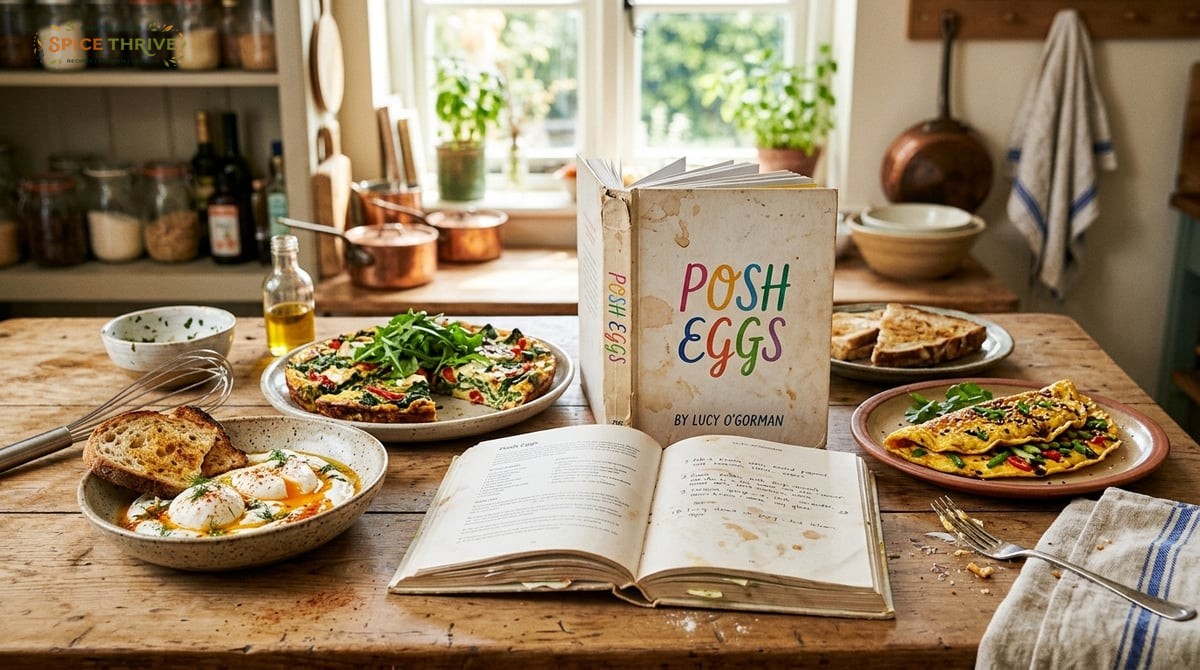
Saturday brunch in my kitchen almost always centers around eggs—with a little creativity, the possibilities stretch far beyond classic scrambled or boiled. Years ago, a friend gifted me the Posh Eggs recipe book, and it opened my eyes to just how luxurious, practical, and adaptable egg dishes can be. After months of cooking my way through its pages (with flops and favorites alike—nothing gold comes easy!), I’m excited to share my real-life take. If you love the idea of creamy Turkish eggs, golden frittatas, and spicy Asian takes, this post brings you straight into my kitchen—spills, photos, and all!
Why You’ll Love the Posh Eggs Recipe Book
- Adventurous Varieties: The book covers eggs from every angle. There are Middle Eastern classics like Shakshuka, rich French-style baked eggs, and even fusion dishes inspired by Chinese congee. Perfect for anyone who wants something new every weekend. One of my favorites is the book’s take on North African brik, where an egg is wrapped in paper-thin pastry and fried crisp—so fun to try at home, and easier than it looks. There’s also a Spanish-inspired tortilla, layered with potatoes, red onions, and smoked paprika, which is lovely for a tapas-style brunch. Mexican-inspired huevos rancheros, with silky poached eggs set atop black beans and zingy tomato-chili sauce, offer a bold way to start the day. These global ideas stretch eggs far past basic breakfast fare, making even a rainy Sunday feel like an adventure on a plate.
- Detailed Visuals and Practical Steps: Each recipe features hands-on instructions with real-life cues—no guesswork on when those whites are set just right or how deep gold the top should be. The step-by-step photos in the book have been a lifesaver, especially for techniques like separating yolks for a soufflé omelet or swirling water for perfect poached eggs. Visual color cues, like “bake until the frittata is puffed and just browning,” help remove all anxiety, making even a traditionally tricky dish like oeufs en cocotte (baked eggs in ramekins) totally doable at home. I really appreciate the troubleshooting tips woven into instructions, such as “lift the pan to check underside color” for crispy fried eggs, and the inclusion of timing charts for varying egg doneness levels.
- Ingredient Flexibility: Tested swaps for tricky-to-find ingredients—use Greek yoghurt for strained, swap spinach for wild greens—make these recipes accessible whatever your market looks like this week. The book often includes sidebars with three or four different options for a single element. When one recipe called for labneh and I couldn’t find any, the text suggested mixing Greek yogurt with a pinch of salt and letting it drain, a quick and satisfying hack. Swapping out seasonal greens for whatever I had on hand (even beet tops) worked beautifully for bakes and stir-fries. Dishes that call for specific cheeses, like Spanish manchego or feta, turn out well with sharp cheddar or even good-quality goat cheese, so allergy and shop limitations never get in the way.
- My Proven Tweaks: After testing most recipes at least twice, I share notes on what worked, what fell flat, and why. I include troubleshooting, so you can skip my rookie mistakes. For the coddled eggs (steamed gently in cream in little jars), my first try ended with overcooked yolks—now I always set a timer and take them out a minute early, letting carryover heat finish the job. Another trick I learned: for soufflé eggs, beating whites to soft peaks yields an airy but still creamy texture. I’ve also played with spice adjustments—adding a hint more cumin to shakshuka or a squeeze of lemon to Turkish styles—that made a world of difference.
- Perfect for Busy Home Cooks: Most dishes take under 30 minutes and work as breakfast, brunch, or dinner—with enough wow factor for guests but doable for one. On weekday nights, I lean heavily on the one-pan egg bakes, tossing in leftover roasted vegetables and a sprinkle of cheese for a satisfyingly quick supper. Even the show-stopping brunch dishes are streamlined for efficiency—a clever oven-baked Florentine eggs recipe skips fussy hollandaise in favor of an herby yogurt sauce, shaving precious time but keeping flavor front and center. The book’s layout helps you prep ingredients as previous steps cook, so early multitasking is built in—a huge bonus for busy schedules or one-person brunches.
Essential Ingredients and Smart Swaps
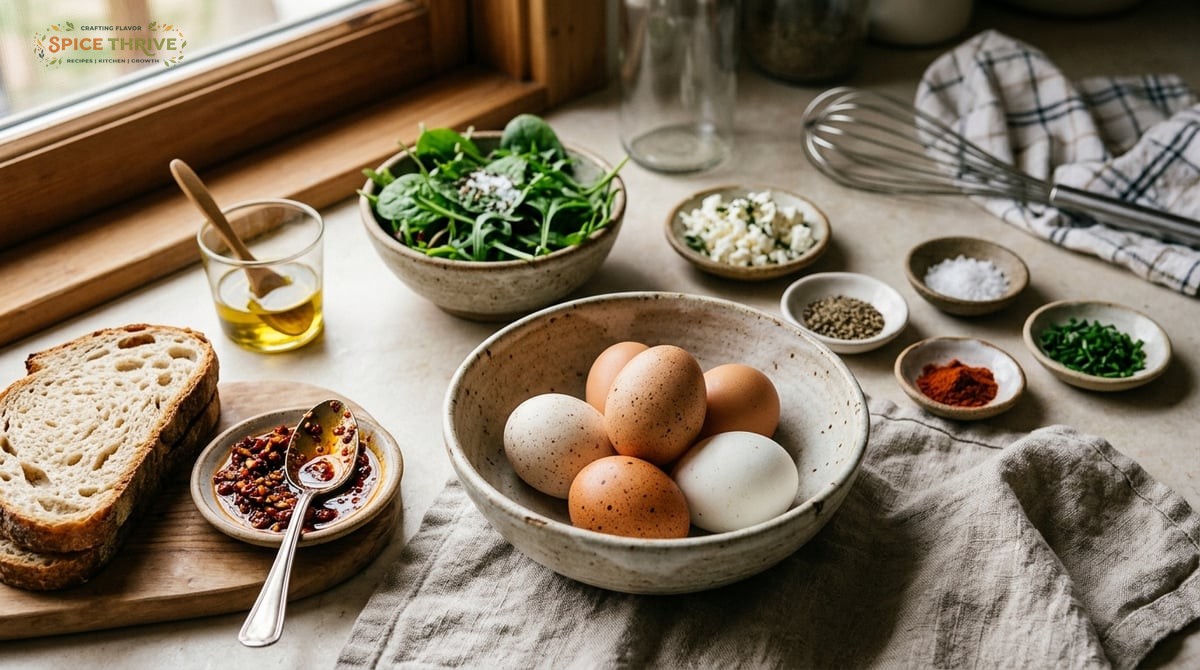
The real magic of Posh Eggs is how it encourages play with global flavors and everyday staples. Here’s a standard base for many of these recipes, complete with my swap notes and measurements by both cups and grams:
- Eggs (4 large) – 4 large eggs (about 200g). Always use the freshest eggs for poaching and soft-cooked dishes—firmer whites, fuller flavor. For richer baked eggs, you can add an extra yolk or two, which gives a decadent texture (especially nice for French-style egg cocotte with cream and herbs, or when making custardy Japanese tamago).
- Yogurt (1 cup / 240g) – Ideal for Turkish-style eggs. Swap for sour cream or non-dairy coconut yogurt for a tangy vegan base. A thicker yogurt clings better to eggs, but in a pinch, thinning with a tablespoon of milk or water mimics the traditional strained styles. Some recipes suggest flavoring the yogurt with lemon zest or chopped herbs for added brightness—dill or mint always shines with eggs.
- Greens (2 packed cups / 60g) – Baby spinach, chard, or wild garlic. Swap for kale or even arugula depending on the season. In winter, I use sautéed leeks or fennel for a deeper flavor, while in the spring, tender ramps are a luxurious choice. Mixing several greens together creates a layered texture—e.g., pairing baby spinach for softness, and chopped Swiss chard stems for a bit of crunch.
- Spices – Za’atar, smoked paprika, Sichuan chili crisp, or herbes de Provence: mix and match to taste. Start with 1 tablespoon (about 8g). For smoky heat, try Aleppo pepper or Urfa biber, both of which add subtle warmth rather than harsh spice, and complement runny yolks. Toast whole spices like cumin or coriander seed before adding for a flavor boost—20 seconds makes all the difference.
- Bread (4 slices / 140g) – Sourdough shines, but use baguette, ciabatta, or gluten-free options easily. Stale bread works especially well for ritzy bread pudding eggs or blitzed as a topping for baked dishes, making this a zero-waste move. For brunch guests, cut bread into thick “soldiers” for dipping, or grill slices and rub with raw garlic for instant Mediterranean toast.
- Cheese (1/3 cup grated / 35g) – Feta, halloumi, or sharp cheddar. Omit or sub vegan cheese for dairy-free. I’ve also used ricotta dotted atop baked eggs—its softness melds into the custard beautifully. Blue cheese with eggs may sound bold, but it’s delicious crumbled over a frittata with leeks and walnuts.
Other frequent players: olive oil (2 tbsp/30ml), garlic (2 cloves/10g), and chili flakes (1/2 tsp/1g) for finish. Don’t overlook pickled elements, like capers or lightly pickled onions, which add brightness to richer dishes; a teaspoon scattered over the top transforms a creamy bake into something balanced and dynamic. Keeping a jar of homemade chili oil on hand lets you add controlled heat and aroma to any savory egg plate just before serving.
Step-by-Step: Cooking a Creamy Turkish Poached Eggs (Cilbir)
This recipe became a brunch staple after three rounds of testing. My first try, the poached eggs ended up ragged and cooked through—the yolk not runny at all. The trick? Swirling gentle simmering water with a splash of vinegar, and draining the eggs on kitchen paper right away. Let’s walk through:
- Make the yogurt base: Mix 1 cup (240g) plain Greek yogurt with a pinch of salt and 1 small garlic clove, grated. Swirl until smooth. Set aside at room temperature so it’s not fridge-cold. For a flavor twist, add a pinch of dried mint or a drizzle of olive oil into the yogurt, which echoes traditional Turkish versions.
- Poach the eggs: Heat a deep pan with 2 inches (5cm) water to just below a boil. Add 1 tablespoon (15ml) vinegar. Crack each egg into a ramekin, then slide gently into the water. Swirl slowly so the whites stay together. Cook for about 3 minutes for runny yolks. For more eggs at once, work in batches—the water needs space to swirl. If you live at altitude, extend poach time by 30 seconds.
- Drain the eggs: Use a slotted spoon to lift eggs out. Let them rest on a paper towel to remove excess water. At this point, you can gently trim any ragged white edges for a neater presentation if you like; this step is optional, but makes for a picture-perfect plate, especially if serving for guests.
- Prepare the spiced butter: Melt 2 tbsp (30g) butter or olive oil in a small pan over low heat. Add 1 tsp (3g) paprika or chili flakes and heat until fragrant—about 1 minute. For an extra layer of warmth, toss in a pinch of ground cumin or Aleppo pepper with the paprika. The key is to watch for the color to darken slightly but not burn, as this gentle cooking blooms the spices instead of scorching them.
- Assemble: Spread yogurt in a shallow bowl, top with poached eggs, drizzle chili butter, and sprinkle herbs. Serve with toasted sourdough for scooping. I like to scatter over a handful of fresh dill or chives for color and freshness, and sometimes finish with a dusting of sumac for a tart, lemony note. Optionally, set out extra chili oil or flaked salt at the table for guests to season individually.
For a heartier brunch, add sautéed greens or roasted tomatoes alongside. This method also invites adaptation—try swirling a spoonful of pesto or spicy harissa through the yogurt base for different regional spins.
Troubleshooting and Pro Tips: Tested Advice from My Kitchen
- If your poached eggs fray, your water is probably boiling too loudly, or you dropped eggs from too high. Keep the heat gentle. Dropping the egg into a gentle swirling vortex helps the white wrap neatly around the yolk for a smooth, rounded appearance. If you don’t have vinegar, a pinch of salt in the water also helps proteins set. Practice makes perfect—your first few might not be pretty but will still taste great!
- Yogurt too thick or cold? Mix in a splash of warm water before plating, and take yogurt out of the fridge first. Makes all the difference for creamy texture. To avoid lumps, whisk yogurt with a fork for 30 seconds; this lightens it up and makes the base silkier. If your yogurt is too tart, a teaspoon of honey balanced the flavors for me in a recent test.
- For crispy eggs: Try the book’s method: heat oil in a pan until shimmering, slide eggs in, baste bubbling oil over whites until lacey and deep gold at the edges. Season immediately. This technique, popular in southern Mediterranean and Asian cuisines, can be scary at first (it sizzles!), but the final result—tender yolks under crackling whites—is unbeatable. I suggest using ghee or neutral oil for consistently crisp, flavorful results.
- Fridge clean-out frittata: When in doubt, pile leftover roasted veg, herbs, or even cooked grains into your eggs. The recipes handle swaps and add-ins with style. My most successful mixes included roasted sweet potato, charred scallions, and sun-dried tomatoes—never the same twice! Mixing cheese into the egg base, instead of just sprinkling on top, helps guarantee a fluffy, puffed bake that reheats well too.
- Tested Timing: Poached eggs (3–4 min), soft boils (6 min), bakes (20–25 min at 180°C/350°F). Adjust for your oven, but these are my reliable go-tos after cooking these at least five times for brunches and weeknight dinners. For soft-cooked eggs to peel easily, add to simmering water and cool promptly in ice water before cracking shells—this tip has saved me from many ragged results. When baking eggs in ramekins (en cocotte), placing them in a water bath ensures delicate, even cooking without overcooking the yolk.
Variations and Dietary Swaps for Every Eater
One of the joys of Posh Eggs is how easily you can riff on the recipes for dietary needs or pantry surprises. After multiple test runs for family and vegetarian friends, I found the following swaps work beautifully:
- Vegetarian: Most recipes are already veggie, but if using fish sauce or pancetta (like in an Asian rice bowl), substitute tamari or smoked tofu for umami kick. I’ve also had great results by adding miso paste for earthy depth, especially when paired with mushrooms or roasted brassicas.
- Dairy-free: Use coconut or almond yogurt in place of Greek yogurt. Olive oil or vegan butter for finishing sauces works just as well. Cashew “parmesan” (just blitz cashews, nutritional yeast, and salt) makes a satisfying dairy-free sprinkle for bakes or gratins. Vegan cheese slices melt surprisingly well atop baked egg dishes like shakshuka, and oat-milk-based creams can be used where recipes call for pouring cream.
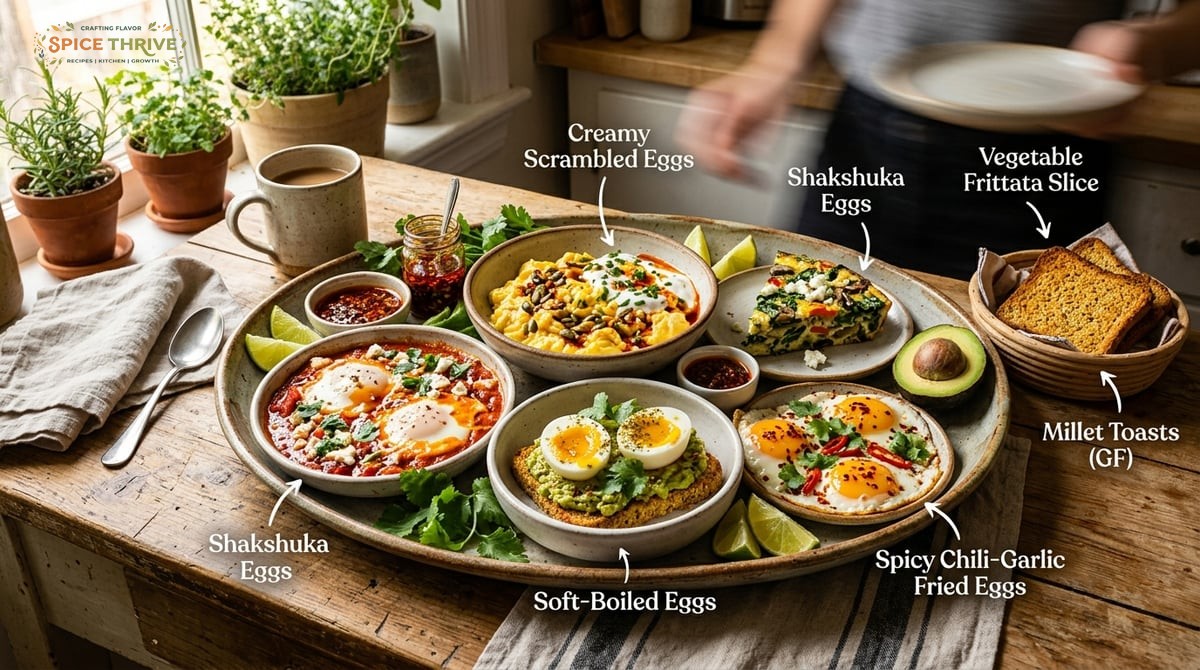
- Gluten-free: Serve eggs with gluten-free toast (like millet bread) or spoon over sautéed potatoes or rice cakes. Leftover rice fried up with garlic makes a surprisingly addictive base for baked or soft-boiled eggs. Polenta squares, pan-seared until crisp, add another gluten-free option to soak up saucy eggs.
- Spicing it Up: Don’t hesitate to add sambal, Sichuan chili oil, or even curry paste as a finish to change the mood of a classic. In my kitchen, swirling Thai chili jam through baked eggs or topping Greek-style eggs with dukkah gave brand-new flavor twists. Smoked sea salt and citrus zest are also fun ways to finish a dish and delight brunch guests.
- Prep-ahead: Frittatas and baked eggs can be made a day ahead and reheated, so you can have posh eggs on a busy morning. When prepping for a brunch crowd, I often bake extra frittatas and slice them cold for picnics—they travel beautifully. Egg muffins or single-serve baked eggs can be portioned for the week; just wrap and reheat briefly when needed.
Tweak and taste! I list my favorite riffs in each Stack, so no two cooks make a Posh Eggs dish the same way at Spice Thrive. Try swapping in local vegetables from your farmers’ market or foraging wild herbs to make each version uniquely your own. The adaptability is truly the heart of the posh eggs approach.
Storing, Reheating, and Making Ahead: Eggs for Busy Weeks
- Poached Eggs: Poach ahead, then store in a bowl of cold water in the fridge (up to 2 days). To reheat, drop into simmering water for 30 seconds. I find this method works well when making brunch for a crowd or saving time for weekday breakfasts—just drain, trim, and season as you’re ready to serve.
- Frittatas/Baked Eggs: Cool, then store slices in an airtight container for up to 4 days. Reheat in the toaster oven or microwave until warmed through. Loosely wrap in parchment to avoid sogginess if microwaving, or crisp under a broiler for a few minutes to restore texture. I’ve packed slices in lunchboxes with olives, tomatoes, and a slab of focaccia for an instant Mediterranean lunch.
- Yogurt Bases: Mix up to a day in advance. Store tightly covered in the fridge and stir well before use. If the yogurt base has thickened overnight, just loosen with a splash of water or milk before serving. Flavored yogurt bases—lemon zest, fresh herbs, or garlic—develop even more complexity after resting, so making these ahead is actually an advantage.
- Sauces/Butters: Compound butters (chili, herb, garlic) keep for a week—makes flavor boosting easy when time is tight. Herb oils (infused with parsley, basil, or chive) can be made days ahead and drizzled over eggs to add both flavor and visual flair. Reheat oil-based sauces gently to maintain their aroma and vivid color.
- Eggs as meal prep: Pack cooled egg bakes and veggies in lunch boxes for a midday pick-me-up with pita or crackers. Alternatively, stuff frittata wedges into pita with greens and pickles for a protein-rich wrap on-the-go. Hard- or soft-boiled eggs topped with dukkah or furikake pack well, making them ideal for road trips or busy work weeks.
Never freeze whole poached eggs—they go rubbery—but frittata slices, sauces, and even yogurt dips freeze and thaw surprisingly well. Label and stash for the win. For best results, thaw overnight in the fridge and refresh with a squeeze of lemon or a drizzle of oil before serving. Having a freezer stash of portioned egg-based meals has rescued many of my midweek lunches!
Let’s Make Posh Eggs Together!
Whether you’re craving a comforting golden baked frittata, a soft egg nestled on garlicky yogurt, or a bold Asian-inspired breakfast, the Posh Eggs recipe book has something for everyone. I update my Posh Eggs notes often—last retest: May 2024—and love to swap ideas with fellow cooks. If you try a recipe or have questions, leave a comment or check out my About page for my cooking background, new tips, or to share your own kitchen wins. Happy brunching—and may all your eggs be golden, creamy, and perfectly posh!
Common Questions About the Posh Eggs Recipe Book
Can I use regular supermarket eggs, or do I need farm-fresh?
Regular supermarket eggs work well for all recipes. Fresher eggs are best for poaching, but I’ve tested with both and results were delicious.
What’s the best substitute for yogurt in Turkish or Middle Eastern egg dishes?
Coconut yogurt or plant-based Greek-style alternatives both give tang and creaminess. Sour cream also works in a pinch.
How do you keep eggs from overcooking in baked dishes?
Check early! Ovens vary, so start testing a few minutes before the recipe suggests. The center should still jiggle slightly when you remove from the oven.
Can you freeze any of these recipes?
Frittatas and baked eggs freeze well, individually wrapped. Poached eggs do not, but sauces, butters, and yogurt bases freeze beautifully.
Are any recipes kid-friendly or mild?
Absolutely! Try the cheesy soufflé omelet, baked eggs with herbs, or gently spiced congee bowls. You can dial back heat as needed.
What’s one recipe that always gets rave reviews?
The Turkish Cilbir with spiced butter and the Mediterranean egg bake with spinach and feta are both crowd-pleasers at my house!
This article was created with the help of AI. Images may also be AI-generated.