Chicken Bone Broth: Comfort in a Pot
The aroma of chicken bone broth instantly takes me back to childhood afternoons in my grandma’s kitchen. She’d simmer bones for hours while chatting away, and always insisted the secret was patience. Now, after dozens of pots on my own stove, I know she was right. This recipe brings together tender, roasted chicken bones, vibrant veggies, and fragrant spices for a deep, restaurant-worthy broth you’ll crave again and again. Whether you sip it as a mug-warming treat, use it in Asian noodle soups, or build it into a rustic risotto, homemade broth is pure culinary gold.
Why You’ll Love This Chicken Bone Broth Recipe
- Rich, Deep Flavor: Roasting the bones and slow-simmering coaxes every ounce of flavor, giving you a broth that tastes like something you’d order at your favorite noodle shop.
- Practical & Flexible: Make it with leftover roast chicken bones or start from scratch. Change up the aromatics or spices to suit your taste and what’s in your fridge.
- Gelatinous, Silky Texture: A bit of vinegar works magic to extract collagen, resulting in a silky, body-coating broth you can literally feel setting as it cools.
- Everyday Kitchen Hero: Finish a risotto, deglaze a pan, or soothe a winter cold—this broth truly is the foundation for countless global dishes, from pho to French onion soup to simple stews.
Ingredients: What You Need (and How to Swap)
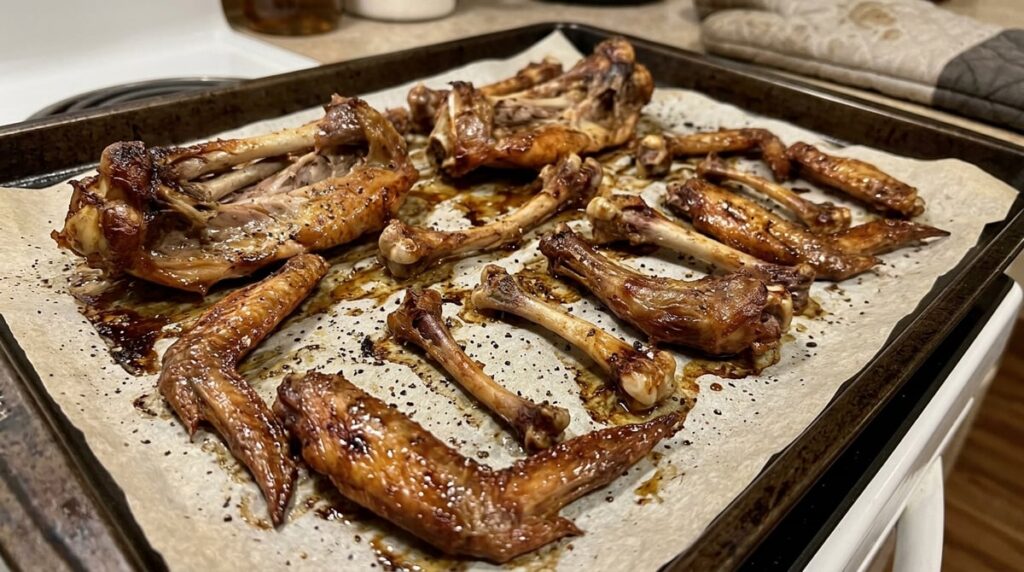
- Chicken Bones: 3–4 lbs (1.4–1.8 kg), from roasted or raw chicken. Leftover carcasses, wings, and necks work best. Roasting adds flavor, but raw bones still work.
- Carrots: 2 large (about 200g), roughly chopped. Adds sweetness and color. Swap for parsnip or sweet potato for a twist.
- Celery: 2–3 ribs (about 150g), roughly chopped. Classic aromatic. Fennel or leek makes a nice change.
- Onion: 1 large (about 150g), quartered. Any color is fine. Shallots work if that’s all you have.
- Garlic: 5–6 cloves, smashed. Gives depth.
- Bay Leaves: 2–3, for subtle earthiness.
- Black Peppercorns: 1 tbsp (about 8g), whole. Adds gentle spice.
- Apple Cider Vinegar: 2 tbsp (30ml). Helps draw out minerals and collagen.
- Water: 16 cups (3.8L). Enough to cover bones by 2 inches in your largest pot.
- Salt (Optional): Add at the end to taste. Keeps options open for future recipes.
Step by Step: Making Truly Flavorful Chicken Bone Broth
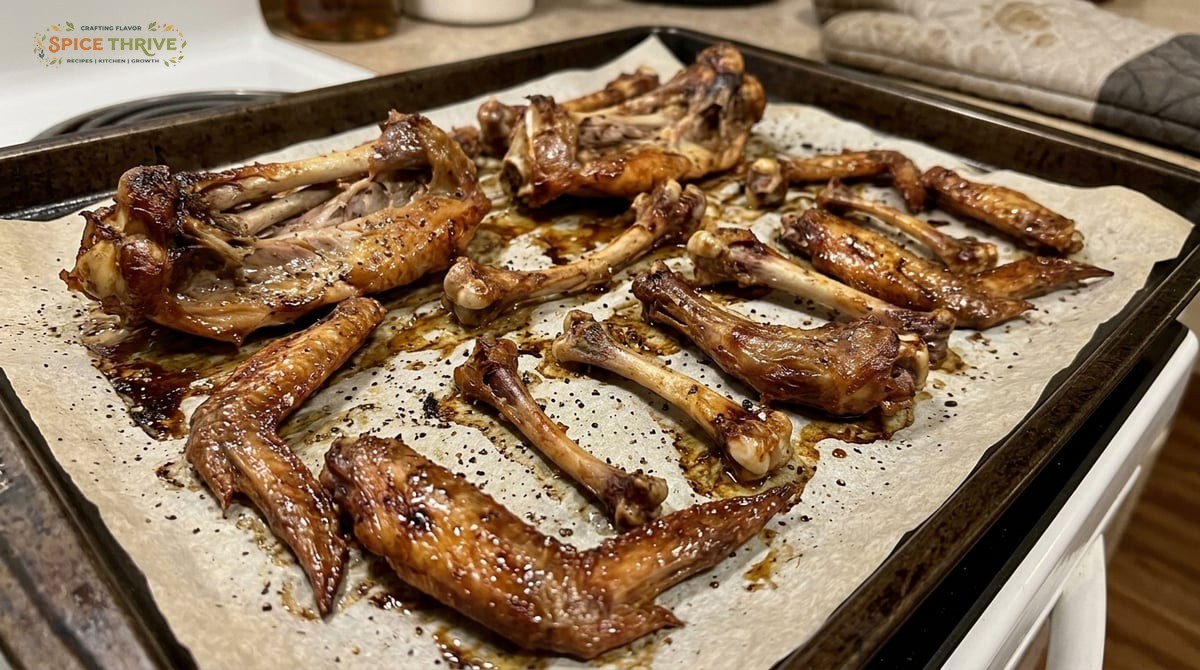
- Roast the Bones: Spread bones on a baking sheet and roast at 425°F (220°C) for 30–40 minutes until deeply golden. Listen for crackling and look for amber edges—this is where the flavor blooms.
- Prep Aromatics: Roughly chop carrots, celery, and onion. No need to peel—clean skins add more flavor and nutrients.
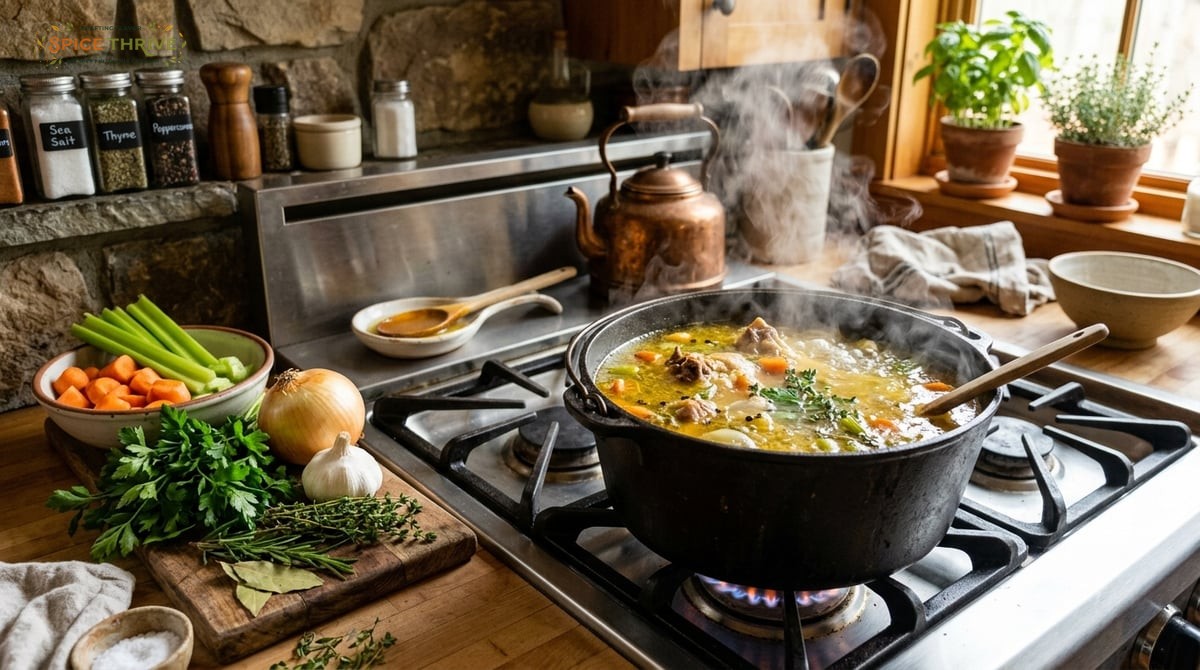
- Simmer Low and Slow: Transfer bones and veggies to a large stockpot. Add smashed garlic, bay leaves, peppercorns, and vinegar. Pour in water, cover, and bring to a gentle simmer—not a rolling boil. Skim off any foamy scum that floats up in the first hour.
- Let The Magic Happen: Simmer uncovered 6–12 hours. The broth will reduce slightly and become golden. Watch for gentle bubbles and an aroma that fills your kitchen. If any bones poke above water, press them down occasionally.
- Strain and Cool: Once rich and fragrant, carefully ladle through a fine mesh strainer into a large bowl. Discard solids (or use them for a second, lighter batch). Let the broth cool, then refrigerate overnight. Any fat will rise and solidify—spoon it off if a clearer broth is desired, or keep some for extra richness.
Pro Tips: Real-World Lessons from Many Pots
- Don’t Rush the Simmer: I’ve tried cranking up the heat to save time, but a rapid boil makes broth cloudy and harsh tasting. Gentle simmering brings out clarity and depth.
- On Overcrowding: Overloading the pot means not everything is fully submerged, leading to bland pockets. Use your largest pot or split into two if needed.
- Fat Cap Pros and Cons: Fat rising to the top preserves broth for longer in the fridge and gives richness. Skim only if you want a lighter, cleaner final result.
- Freeze in Portions: Ice cube trays or small mason jars help you grab just what you need. I ruined a big batch once by thawing and refreezing—portioning fixes this.
Variations & Dietary Swaps
- Asian-Style: Add slices of ginger, a splash of fish sauce, and green onion during simmering for a flavor profile that works beautifully in ramen and congee.
- Vegetarian/Vegan: Skip bones and double your aromatics (use mushrooms, seaweed, miso, and even dried shiitakes for deep umami).
- Gluten-Free: This recipe is naturally gluten free. Always check that any added sauces or aromatics are GF if adding.
- Dairy-Free & Egg-Free: No dairy or eggs in the base recipe—perfect for allergy-aware kitchens. Fat can be skimmed for a lighter broth.
Storage, Reheating, and Make Ahead
- Chill Fast: After cooling, get broth into jars or airtight containers and into the fridge within 2 hours to avoid sourness.
- Fridge: Keeps 5–7 days (fat layer helps preserve freshness).
- Freezer: Store up to 4 months. Leave space in jars for expansion. Thaw gently over low heat to preserve texture and flavor.
- Reheating: Warm over low heat. Add splashes of water if it’s too concentrated. Taste before salting.
- Make Ahead: Broth is best after overnight chilling—gelatin sets and flavors marry. Skim or stir in fat before use depending on the recipe.
Printable Recipe Card: Chicken Bone Broth
Prep Time: 15 minutes
Cook Time: 8–12 hours
Total Time: 8–13 hours
Yield: About 12 cups (2.8 L)
- 3–4 lbs (1.4–1.8 kg) chicken bones
2 large carrots (200g), 2–3 celery ribs (150g), 1 large onion (150g), 5–6 garlic cloves, 2–3 bay leaves, 1 tbsp (8g) black peppercorns, 2 tbsp (30ml) apple cider vinegar, 16 cups (3.8L) water, salt to taste - Roast bones at 425°F (220°C) 30–40 minutes if desired. Place bones and veggies in a large pot, add aromatics, vinegar, and water.
- Cover and bring to a simmer. Skim foam in the first hour. Simmer gently, uncovered, for 6–12 hours, keeping bones submerged. Add water if needed.
- Strain through a mesh sieve, cool, and refrigerate. Skim fat if desired. Store as directed.
Allergen Note: Free from gluten, dairy, eggs, and nuts. Always check optional add-ins for allergens.
Nutrition (per 1 cup): Calories ~45, Protein 8g, Fat 2g, Carbs 3g (varies with ingredients)
Real-World, Small-Batch Perfection—Your Turn to Stir the Pot
I’ve simmered my share of bone broths—some forgettable, some so soul-satisfying they inspired new recipes. You’ll find this method nails that rich golden flavor you remember from great restaurants and home kitchens alike. Made it and love it? Let me know below, or browse our favorite global soups for more ways to stir up comfort. Now, go savor that first steamy mug—your kitchen is about to smell incredible.
Common Questions
Can I make bone broth in a slow cooker or Instant Pot?
Absolutely! For a slow cooker, roast bones as normal, then cook on low 12–24 hours. For Instant Pot, use the Soup/Broth setting for 2–3 hours. The results are rich and nearly hands-off.
Why is my bone broth not gelatinous?
It could be the ratio of water to bones, not enough connective tissue (like feet or wings), or a too-short simmer. Next time, add more bones or reduce water slightly.
How do I use leftover broth?
Perfect for sipping by the mug, building Asian noodle soups, cooking grains, braising meats, or even adding to sauces and stews. It replaces water in nearly any savory recipe.
Can I add herbs or spices in the last hour?
Definitely! This keeps flavors bright. Try thyme, dill, parsley, ginger, or even star anise for different cuisines, but always strain after.
Is chicken bone broth safe for people with allergies?
This recipe is free from nuts, dairy, eggs, and gluten. Always double-check optional add-ins if you have allergies in your home.
Can I reboil bones for a second batch?
Yes, but the flavor and gel will be much lighter. Some cooks love this as a subtle secondary stock, especially for lighter soups and risottos.
This article was created with the help of AI. Images may also be AI-generated.