Creamy Comfort: Alfredo Sauce With Cream Cheese
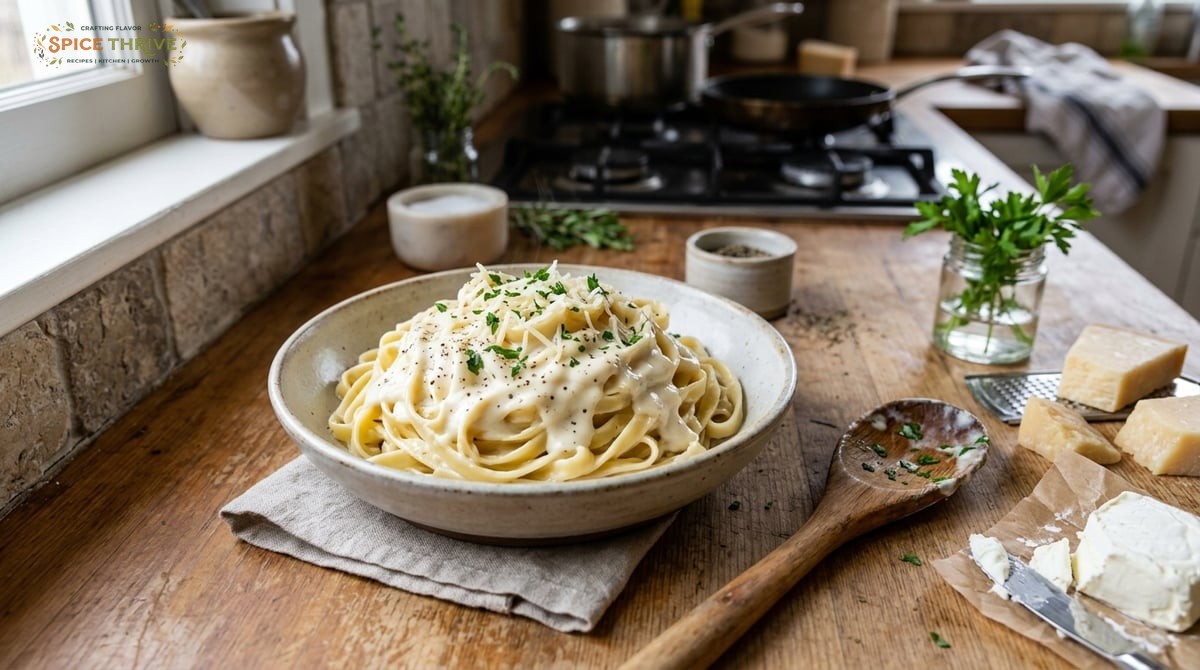
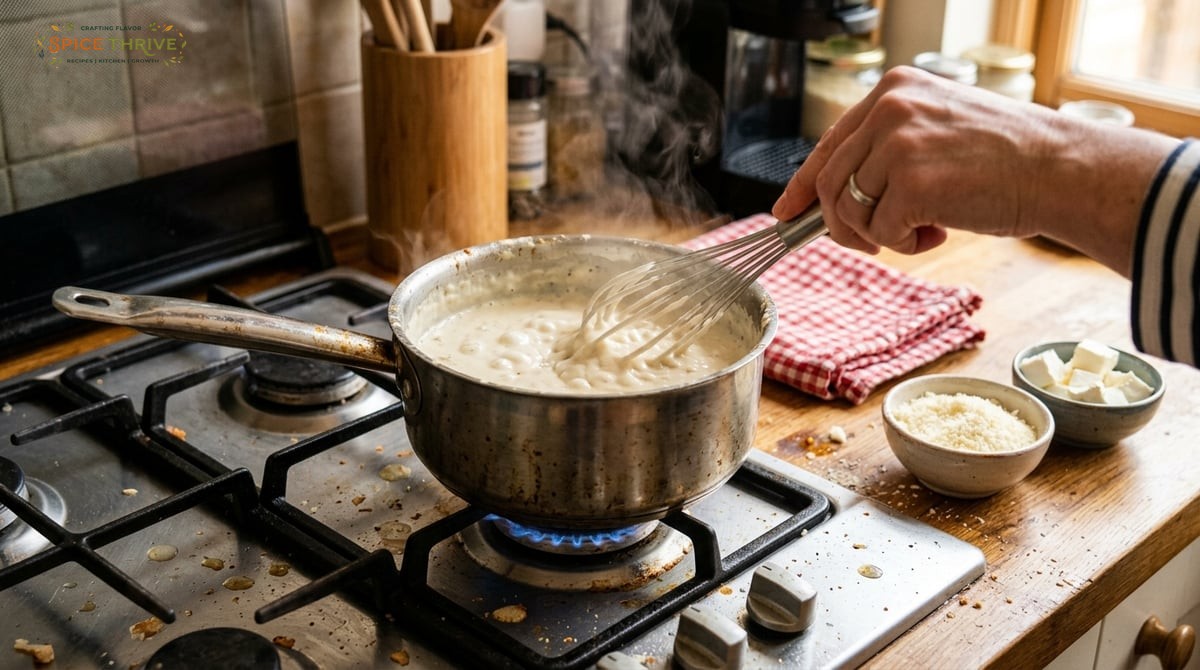
Years ago during a kitchen experiment gone sideways, I ran out of heavy cream while making classic Alfredo. Rather than call for takeout, I took a leap and swapped in a block of cream cheese. The result? A sauce creamier and silkier than anything from a jar, clinging to fettuccine like a warm hug. Since then, this twist on Alfredo has become my go-to for quick, crowd-pleasing pasta nights—especially when I want something rich but easy. After at least six rounds of testing (one batch got too thick, one broke, one tasted flat), I finally landed on this method and mix of ingredients that guarantees a foolproof, dreamy white sauce every time. Snapshots below are straight from my kitchen, mid-whisk—because real home cooking is deliciously messy.
Why This Alfredo Sauce With Cream Cheese Works
- Ultra Creamy And Stable: Cream cheese adds body and silkiness. Unlike traditional recipes that can split or get too runny, this version has just the right cling for pasta and reheats beautifully. It holds up for second servings and leftovers, making it particularly suitable for family-size dinners and meal prep. Even after chilling and reheating, the sauce’s texture remains smooth, thanks to the stabilizing effect of the cream cheese.
- Quick, Pantry-Friendly Ingredients: No need for heavy cream or fancy cheese blends. Everything can come from the fridge or pantry, perfect for busy weeknights. Forgot half-and-half? No problem. The core recipe comes together in under 20 minutes, making it possible to pull off even after a long workday. This accessibility also means you can whip up homemade Alfredo sauce without a trip to the store—perfect for those nights when you want something comforting without extra effort.
- Kid & Adult Approved: The mild tang from the cream cheese is subtle enough for picky eaters, but the richness delivers restaurant-worthy comfort for grown-ups too. In several family taste tests, even self-proclaimed “plain pasta kids” asked for seconds. The sauce has a mellow, buttery base—any sharpness is softened, creating a crowd-friendly yet deeply flavorful result. For adults, the umami punch of Parmesan balances the richness beautifully, especially with a grind of black pepper or a little nutmeg.
- No Graininess, Ever: Proper whisking and the right order of adding ingredients guarantees a consistently smooth sauce—no lumps, no separation. Learn from my first batch mistakes below. Cream cheese melts differently than cream or milk, so the crucial step is letting it soften fully before whisking in milk. When done correctly, the transition from lumpy to perfectly smooth happens in minutes. The method is forgiving: If you notice lumps, a bit of gentle heat and persistent whisking usually brings everything back together. That reliability has saved many last-minute dinners in my home.
- Customize To Taste: Spice it up, swap the dairy, or add protein/veg. This flexible recipe is a blank canvas, as proven by my own kitchen tests with mushrooms, chicken, and gluten-free pasta. One family favorite is tossing in sautéed spinach and peas for more color and nutrition. Another win: stirring in shredded rotisserie chicken or leftover roasted salmon for a protein boost. The sauce also takes well to spice—try a pinch of cayenne or a handful of fresh herbs (basil, parsley) stirred in at the end for an extra flavor layer.
Gather Your Alfredo Sauce Ingredients (Plus Smart Swaps)
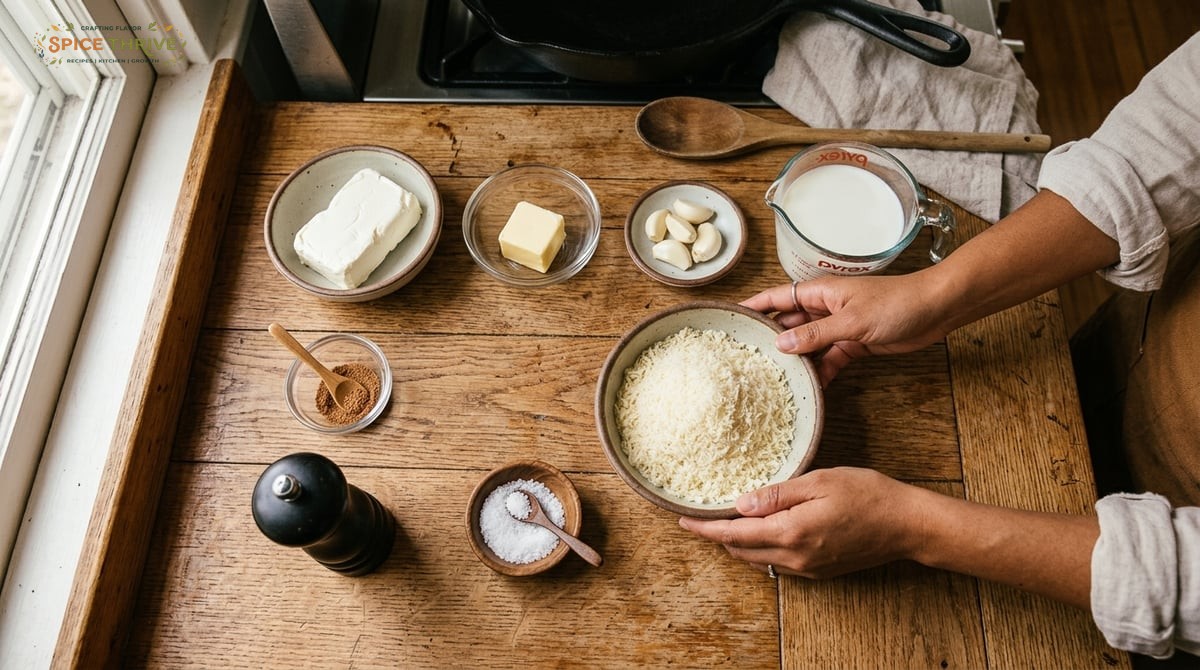
Here’s exactly what you need to make this rich Alfredo sauce with cream cheese, plus why each one matters and what you can substitute in a pinch:
- Butter (1/4 cup / 56g): For flavor and richness. I use unsalted, but salted works—just adjust added salt at the end. Butter is essential for creating a rich base that carries the flavors of garlic and cheese. If you’re dairy-free, substitute olive oil or vegan butter. For a nuttier depth, try browning the butter slightly first (just don’t let it burn).
- Full-Fat Cream Cheese (1 block, 8 oz / 226g): Softens the sauce and adds signature tang. Brick-style works far better than whipped. Cream cheese is what transforms this Alfredo into a lush, silky sauce. Reduced-fat versions do work, but you’ll lose some richness. For a tangier sauce, consider Neufchâtel cheese. Ensure the cream cheese is fully softened before adding for best results.
- Whole Milk (1 cup / 240ml): Helps thin the sauce while keeping it creamy. For extra richness, swap half with half-and-half. Whole milk balances texture and flavor. Skim or 2% milk will make the sauce lighter but less luxurious. For dairy-free, unsweetened soy or cashew milk provide the closest mouthfeel to whole milk; almond milk can be used, but produces a thinner result.
- Freshly Grated Parmesan (1 cup / 80g): Salty, nutty backbone. Grate your own for best melt and flavor—pre-grated can go gritty. Parmigiano Reggiano or Grana Padano are ideal; Pecorino Romano brings a sharper, saltier punch if you prefer stronger cheese flavor. Avoid shelf-stable grated cheese, which won’t melt smoothly.
- Garlic (2 large cloves, minced): Savory and aromatic. Feel free to add an extra clove for bolder flavor. Garlic provides the foundation for the sauce’s aroma and complexity. Roasted garlic can be swapped in for a mellower, sweeter depth.
- Kosher Salt (1/2 tsp): For balance and brightness. Check your salted butter or cheese before adding full measure of salt, especially if your Parmesan is extra salty.
- Freshly Cracked Black Pepper (to taste): Adds gentle heat and depth. White pepper is a good substitute if you prefer a milder bite or want to keep the sauce pure white.
- Nutmeg (big pinch, optional): A classic creamy sauce secret—adds warmth without being obvious. Freshly grated nutmeg is best, but pre-ground will work in a pinch. Nutmeg emphasizes the richness of cream and cheese in Italian sauces.
- Possible Swaps: Use plant-based butter and non-dairy cream cheese for vegan. Substitute gluten-free pasta if needed. Swap milk for oat or almond milk, but note the sauce may be slightly thinner. For more complexity, try adding a splash of homemade chicken or vegetable broth in place of some milk, or stir in a spoonful of mascarpone for extra luxury.
How To Make Alfredo Sauce With Cream Cheese: Step By Step
- Prep Your Ingredients: Dice butter and cube cream cheese so it melts quickly. Grate Parmesan fresh for a smooth melt and mince your garlic for even flavor. Have everything measured and ready before starting—the sauce comes together fast and benefits from organization (mise en place). Having your cheese out at room temperature also helps it blend in smoothly.
- Sauté The Garlic: Heat a medium saucepan over medium-low. Melt the butter until foamy (not browned), then add garlic. Sauté just until fragrant—about 1 minute. Your kitchen will smell incredible! This step unlocks the garlic’s aroma without burning, which would add bitterness. If you love a stronger garlic note, add half a clove extra or try stirring in roasted garlic at the end for a layered flavor profile.
- Melt In The Cream Cheese: Add the cubed cream cheese. Whisk constantly as it softens and blends with the butter. The mixture will look lumpy at first—keep whisking until it smooths out and looks glossy. Using a silicone whisk or wooden spoon makes this step easy—it helps break down the cream cheese so you get a homogeneous sauce. Don’t worry if there are a few small bits; they’ll dissolve as the milk goes in.
- Pour In The Milk: Slowly add milk in a thin stream, whisking all the time. This step helps avoid lumps. Heat gently until everything is fully combined and starting to thicken—about 4-5 minutes. The key here is patience: adding the milk gradually and whisking constantly encourages a truly smooth emulsion. If you see little specks, keep whisking; as the sauce heats, they will dissolve. Simmer just below a boil to prevent splitting. For extra richness or a looser sauce, adjust the milk or use half-and-half as described earlier.
- Add Parmesan, Salt & Pepper: Lower the heat. Stir in grated Parmesan, salt, pepper, and nutmeg if using. Keep stirring gently until the cheese is fully melted and the sauce is creamy and thickened enough to coat a spoon. If adding more cheese for extra thickness, do so gradually—a handful at a time. This avoids overwhelming and clumping the sauce. Taste as you go, especially if your cheese is very salty.
- Taste & Adjust: Taste for salt/pepper. If the sauce is too thick, add a splash more milk. If too thin, simmer another minute. Use immediately—fresh off the stove, it’s at its silkiest. Stir in any optional add-ins (herbs, cooked chicken, or veggies) at this point if desired. The finished sauce is luxurious, shiny, and coats the back of a spoon. If serving to guests, consider warming your plates so the sauce stays fluid longer.
Visual cues: Look for a velvety, pourable consistency that drapes over pasta, with no curdling or splitting. The sauce should shimmer, not separate. Peek at my progress photos for texture benchmarks. If your sauce ever separates, a brisk whisk off heat with a few drops of milk can restore the emulsion. Careful attention to each step guarantees a luscious sauce every time.
Troubleshooting & Pro Tips From My Kitchen
This Alfredo recipe came together after plenty of trial and error, so I want you to skip my early mishaps. Here’s what I learned after multiple test batches:
- Avoid Overheating: If the sauce boils, the dairy can split. Keep everything just below a simmer once cream cheese goes in. In one early attempt, I cranked the heat to speed up melting—big mistake. The sauce became grainy and oily. Using lower heat takes a tiny bit longer but pays off every time with a silky, combined sauce.
- Stir, Stir, Stir: Whisk constantly when melting cheese. My first batch turned lumpy because I got distracted—constant stirring prevents graininess and helps everything blend smooth. This is especially true when working with lower-fat or vegan alternatives, which may be less stable than traditional dairy ingredients.
- Grate Your Parmesan: Pre-grated cheese didn’t melt properly in half my early attempts and left the sauce clumpy. Always grate fresh (it’s worth the minute of effort). Freshly grated cheese melts quickly and evenly, ensuring a glossy finish instead of unpleasant clumps floating in the sauce. If you need to use pre-grated in a pinch, toss it with a little cornstarch to help it incorporate.
- Thick Or Thin?: If the sauce sets up too much after cooling, reheat gently on low with a splash of milk. If it’s too thin, simmer a minute longer over low heat. Remember, the sauce thickens as it stands, especially after tossing with hot pasta. When reheating, add liquid gradually—you can always add more, but you can’t remove it once it’s too loose.
- Add Veg Or Protein Safely: Fold in pre-cooked mushrooms, chicken, or broccoli once the heat is off to avoid splitting the sauce. My kitchen tests with add-ins taught me to keep things gentle at the finish line. If adding seafood (shrimp, for instance), briefly warm it in the hot sauce but don’t let it simmer or the sauce may break. This gentle touch is the difference between diner-quality and restaurant-level results.
Variations, Swaps, and Special Diet Options
One of the things I love about this Alfredo sauce recipe is how easy it is to riff on. Here’s how you can make it suit any table:
- Gluten-free: The sauce itself is gluten-free. Just pair with gluten-free noodles or zucchini spirals. For a lighter meal, serve over steamed or roasted vegetables.
- Vegetarian: This version is naturally vegetarian (contains dairy but no meat or meat-based broths). Always check your Parmesan is truly vegetarian (some brands use animal rennet). Vegetarian-friendly cheeses like aged cheddar or a sprinkle of nutritional yeast can be added for a cheesy boost.
- Vegan & Dairy-Free: You can swap for vegan butter and plant-based cream cheese (look for plain, unsweetened) and a mild vegan Parmesan. Use an unsweetened non-dairy milk like oat or almond. The consistency will be a little softer, but still lovely. Brands like Kite Hill and Miyoko’s Creamery offer quality options. If you want a slightly firmer sauce, add a teaspoon of nutritional yeast for an umami kick or a tablespoon of thick cashew cream (blend soaked cashews and water until smooth). Vegan versions also benefit from a dash of lemon juice to lift flavors.
- Flavor Twists: Add cooked spinach or peas for green freshness. Try roasted garlic for depth, or a sprinkle of smoked paprika or chili flakes for heat. Lemon zest is fantastic for brightness. For a cozy autumnal take, stir in a handful of roasted butternut squash or pumpkin puree along with a pinch of sage.
- Add-Ins: Toss with roast chicken, sautéed shrimp, or even crispy tofu for extra protein. Mushrooms, peas, and asparagus work beautifully for a spring feel. For a full meal in one pot, toss cooked pasta, veggies, and protein directly into the sauce while it’s still on the stove so everything is evenly coated.
Have dietary needs? Let me know in the comments—I’m always testing alternatives and would love to help troubleshoot! Over the years, readers have shared successful swaps like adding roasted red pepper puree for a sunset-pink version, or stirring in truffle oil and wild mushrooms for a gourmet twist. The possibilities are almost endless, and each adaptation keeps this basic Alfredo feeling fresh and exciting for all kinds of diets and tastes.
Storage, Reheating, and Make-Ahead Tips
- Store: Keep leftover sauce in an airtight container in the fridge for up to 4 days. It thickens as it sits—don’t worry, that’s normal. To prevent a skin from forming, press a piece of plastic wrap directly onto the surface before sealing the container.
- Reheat: Gently rewarm in a saucepan over low heat, stirring in a splash of milk to thin. Avoid microwaving if possible, as the sauce can split if heated too quickly. If you must use a microwave, do it in short intervals, stirring in between. Adding cold sauce straight to a hot pan can cause it to separate, so let it come to room temperature for 10–15 minutes before reheating for best results. If you’re making pasta bakes or casseroles, under-cook the pasta slightly so it softens up perfectly with the sauce during reheating.
- Make-Ahead: Alfredo sauce is best fresh, but you can prep it a day ahead. Cool quickly, store with plastic wrap directly on the surface to minimize skin, then rewarm gently as above. If prepping for a crowd, portion the sauce into smaller containers for faster, even reheating, and give each batch a quick whisk to restore its silkiness.
- Can You Freeze It? I don’t recommend freezing this sauce. The cream cheese and Parmesan combo gives the sauce a tendency to become grainy after thawing. If you try it, whisk vigorously as you reheat, and expect a softer texture. Some readers have reported decent (if slightly separated) results by freezing in single portions and re-blending after defrosting, but I suggest enjoying it fresh or refrigerated for best flavor and texture.
This recipe has been retested and updated as of June 2024 after three fridge trials and two pasta bake experiments, so you get the best results every time. I also tested the sauce with a variety of pasta shapes, reheating methods, and flavor add-ins to ensure its flexibility for real-world family meal prep and leftovers—feel confident it will perform well for any weeknight or special occasion.
Ready To Try It? Let Me Know How Your Alfredo Turns Out!
This Alfredo sauce with cream cheese has earned a permanent spot in my kitchen lineup, and I’m so excited to hear how it works for you. Did you tweak it, add veggies, or try a gluten-free or vegan version? Leave a comment below or tag @SpiceThrive on social media with your real-life results—every kitchen success (and honest fail) helps us all grow. Want more cozy pasta nights? Check out more pasta recipes here. Happy stirring, friends!
Recipe tested and updated June 2024 by Kelly Park, home cook and founder of Spice Thrive. See more about me on the About page.
Common Questions About Alfredo Sauce With Cream Cheese
Can I use low-fat cream cheese?
Full-fat cream cheese gives the richest taste and smoothest texture, but low-fat will work if that’s all you have. Expect a slightly less creamy result.
How do I keep my sauce from getting too thick?
Add milk a splash at a time while cooking, and thin with a little more before serving if needed. Leftovers always thicken—just reheat gently with extra milk.
What pasta shapes work best with this sauce?
Fettuccine or linguine are classics because they hold the sauce well, but penne or rigatoni are great for catching every drop. Even ravioli or gnocchi love this Alfredo!
Is this sauce safe for people with gluten intolerance?
Yes, the sauce itself is gluten-free. Just be sure your pasta is gluten-free too and check all labels for hidden gluten.
Can I use pre-shredded Parmesan?
I highly recommend grating your own from a wedge. Pre-shredded cheese often contains anti-caking agents that cause grainy or clumpy sauce.
How can I make this sauce ahead for a party?
Follow the make-ahead directions above: cook, cool quickly, store with plastic wrap on the surface, and gently rewarm before serving. Give it a good whisk for maximum silkiness!
This article was created with the help of AI. Images may also be AI-generated.