Nashville Hot Sauce: A Fiery Southern Tradition From My Kitchen
The first time I made Nashville hot sauce at home, my eyes watered—not from the heat, but from surprise that something so simple could taste so electric. My first batch was a bit too fiery for even me, but after three rounds of testing, I found the balance of heat, sweet, and smoky that hits just right. This is my go-to sauce for crispy fried chicken, drizzling over roasted veggies, or even brushing on grilled tofu—it’s become a staple in our house ever since a road trip through Tennessee inspired me to re-create those legendary flavors.
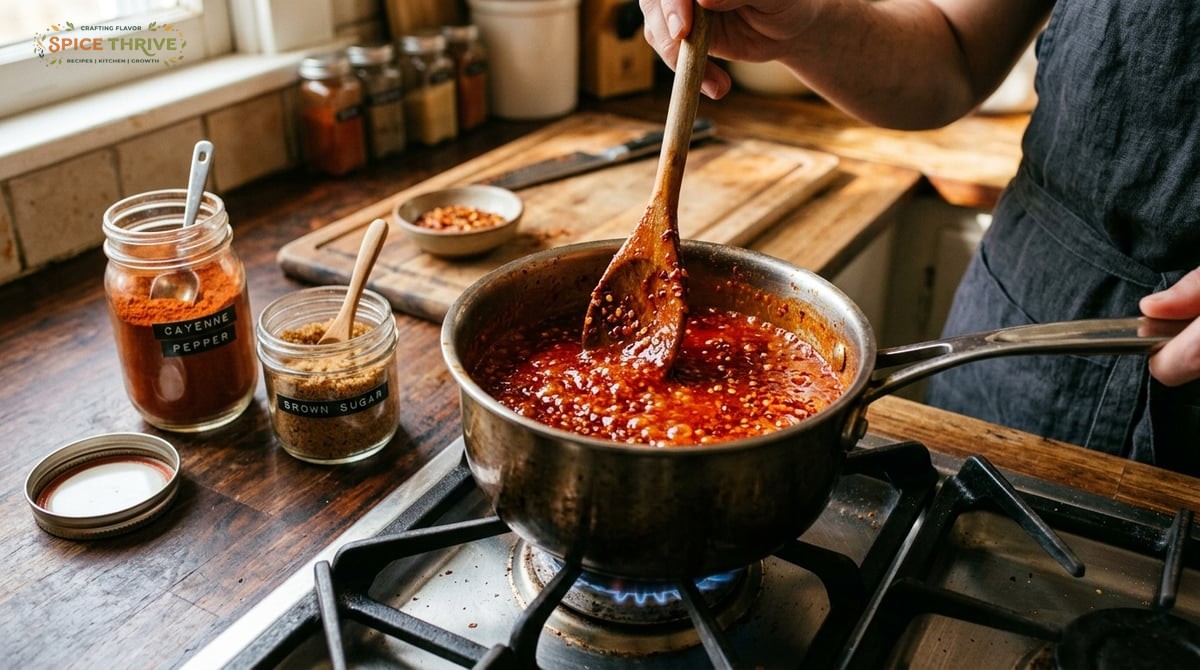
That trip took us straight to the heart of Nashville, where the aroma of cayenne and fried chicken seemed to linger in the air everywhere we went. I watched cooks douse crispy chicken in a red-glossy sauce, the fiery sheen giving away just how seriously this city takes its heat. Later, when chatting with a local chef, he confided that what makes real Nashville hot sauce stand out is its unapologetic punch of spice—right alongside contrasting elements like sugar and a little smoke. Those lessons stuck with me, and the tradition now lives on in my kitchen. There’s a thrill in sharing that electric rush with friends around our table—even on a weeknight, one taste can bring the spirit of Music City home.
Why You’ll Love This Nashville Hot Sauce Recipe
- Big, bold flavor: Sweet, smoky, tangy, and just enough heat to tingle without overwhelming. Each bite manages to wake up your palate, layering bold cayenne heat with a foundation of brown sugar and a subtle smoky undertone that feels complex but never fussy. I’ve served it at potlucks and watched even the bravest spice fans do a double-take, grinning through the zing.
- Tested and foolproof: I made this recipe three times before getting it just right—the sauce coats beautifully but doesn’t separate, and you don’t need special equipment. There’s no fussy emulsion or tricky thickener; just a bowl, a whisk, and some attentive tasting as you go.
- Adaptable heat level: Whether you like it mild or extra hot, you can dial up the cayenne or swap in different peppers. I regularly make two batches at once—one “inferno” for my spouse and a milder, smoky-sweet version for guests or kids. Try adding just a quarter of the cayenne, then taste and adjust: the base flavor is delicious even at lower spice levels.
- Just 5 minutes to make: This comes together in one small saucepan, perfect while your chicken or veggies finish cooking. It’s almost as much a finishing touch as it is a standalone recipe—whip it up last-minute and have homemade flavor ready long before takeout could arrive.
- Versatile: Drizzle on fried chicken, roasted cauliflower, eggs, even pizza—the possibilities are endless. A bowl of Nashville hot sauce can transform leftovers or baked potato wedges, jazz up a plain sandwich, or serve as a spicy-sweet dip for fries or grilled shrimp.
What really keeps me making this sauce is its ability to pull together almost any meal into something memorable. Once you have a jar in the fridge, you’ll find yourself reaching for it to liven up simple vegetables, breakfast sandwiches, even a grain bowl. It’s a true flavor multiplier!
Ingredient Breakdown: What You Need & Easy Swaps
- Hot Cayenne Pepper (1/2 cup / 60g): The signature heat. Freshly ground is classic, but you can use half paprika for a milder sauce. Quality matters: opt for a fresh, vibrant red cayenne for the boldest flavor. Crushed red pepper flakes can be a stand-in if you’re out, but the texture will change—a smoother powder blends better with the oil.
- Brown Sugar (3 tbsp / 40g): Balances the fire and gives a touch of molasses richness. White sugar or honey work in a pinch. Brown sugar adds more depth—its caramel undertones tame the heat. For an even richer sauce, try dark brown sugar, which deepens the sweetness.
- Smoked Paprika (1 tbsp / 8g): Adds that deep, smoky note. Regular paprika is fine, but smoked is key for depth. Spanish smoked paprika (pimentón) lends an especially vivid flavor, and even a little transforms the sauce from one-dimensional heat to a full-bodied condiment. Want to bump up the smoke? Add a pinch of chipotle powder or a dash of liquid smoke.
- Salt (1.5 tsp / 9g): Brings all the flavors together. I use kosher, but any fine salt works. Table salt is saltier by volume—reduce the amount slightly if substituting. Want a flavor boost? Try a smoked sea salt for subtle extra aroma.
- Garlic Powder (1 tsp / 4g): Lends warmth and an earthy kick. You can use fresh—just sauté it briefly in the oil before adding spices. Granulated garlic works too, and both bring a base note that echoes the Southern love for all things garlicky.
- Black Pepper (1/2 tsp / 2g): Brings complexity and zing. Freshly ground will have brighter, citrusy top notes compared to pre-ground. It’s subtle but important, especially if you enjoy peppery heat.
- Hot Cooking Oil (1/2 cup / 120ml): Neutral oil like vegetable, canola, or peanut is traditional. Olive oil works, but changes the flavor—still delicious though. The oil carries the spice and infuses the finished sauce with sheen. For a nutty undertone, use peanut oil (classic in the South), but always check with diners for allergies. Grapeseed oil and avocado oil are good, neutral alternatives.
- Optional: Apple Cider Vinegar (1 tsp / 5ml): A splash at the end gives extra tang and brightness. If you like your sauce extra perky, try red wine vinegar for a fruitier, sharper finish.
Looking for ways to make it your own? Try substituting maple syrup for the brown sugar for a hint of woodsy sweetness. If you want more umami, a dash of soy sauce (watch the sodium) provides added depth. Feeling adventurous? Stir in a pinch of mustard powder for a subtler, savorier heat.
Allergens: If using peanut oil, note for nut allergies. Recipe as written is gluten and dairy free. If you need to keep it nut-free, stick to canola, vegetable, or sunflower oils—these allow all the other flavors to shine without worry.
Step-by-Step: Making Nashville Hot Sauce at Home
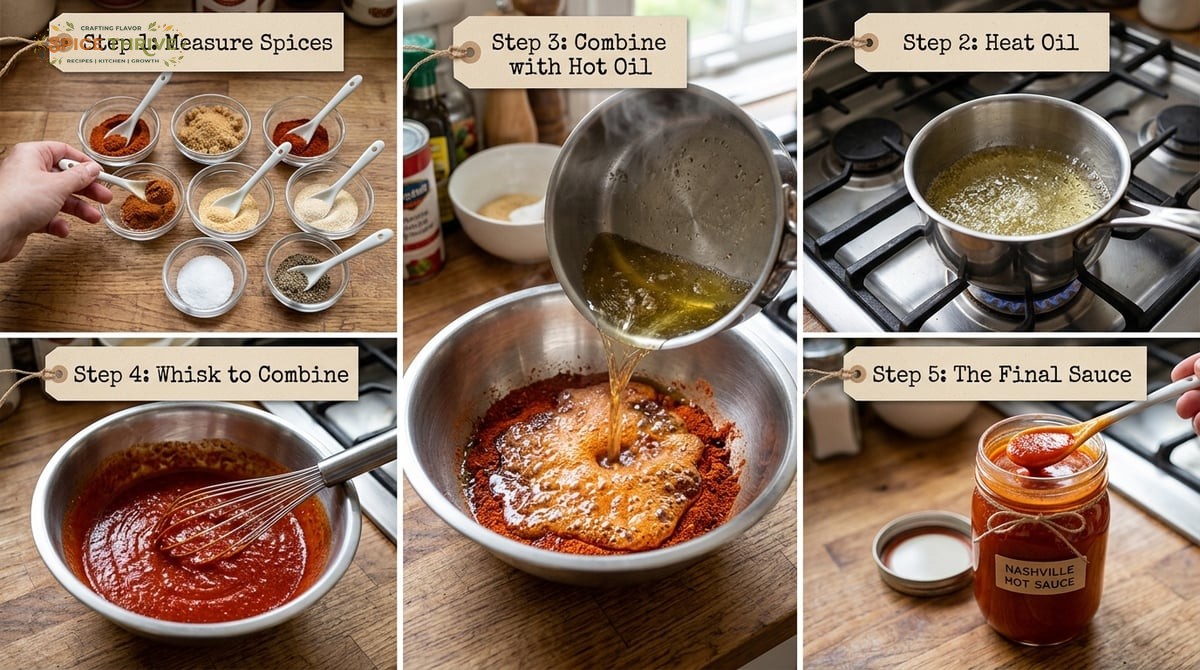
Step 1: Measure and prep your ingredients. Have everything ready—this sauce comes together fast. I always suggest lining up your spice bowls, measuring spoons, and whisk ahead of time, as the process is quick and hot oil needs your whole attention.
Step 2: Heat the oil in a small saucepan over medium. Look for shimmering, not smoking—the oil should be hot but not sizzling. If you’re unsure, toss in a tiny flake of spice: it should bubble lightly around the edges but not splatter violently. Heating just to the shimmering stage preserves both safety and the freshest flavors of your spices.
Step 3: Mix spices (cayenne, brown sugar, smoked paprika, salt, garlic powder, black pepper) in a heatproof bowl. Whisk these together fully, breaking up any clumps of sugar or spice to ensure your sauce is smooth and cohesive. This is also the time to add any custom touches—extra smoked paprika, a dash more garlic, or even a spoonful of honey if you want added sweetness.
Step 4: Carefully pour the oil over your spice blend. It will bubble up and bloom the spices—stand back and inhale the smoky aroma. Pouring the hot oil directly over the spices is what makes Nashville hot sauce unique: the sizzling oil “blooms” the cayenne and paprika, releasing a toasty, fragrant burst of color and flavor you won’t get by simply stirring into cold oil. Be sure to use a deep bowl to prevent splashing, and always pour slowly for safety.
Step 5: Whisk until smooth. Taste and tweak: add a splash of vinegar for tang, or more cayenne for extra kick. The texture should be silky, pourable, and evenly red. If you want more gloss, keep whisking while it cools slightly—this helps emulsify the mix for an even coating. The flavors will continue to meld over the next hour, so taste again before serving if you’re making it ahead.
Step 6: Use immediately or cool to room temp. It thickens slightly as it sits and clings perfectly to fried or baked foods. When it’s freshly made, the sauce has a vibrant, almost floral aroma; after resting, the spicy-smoky flavors deepen, and the texture becomes more luxurious. Pour warm over chicken for extra sizzle or use at room temperature to better control how much you drizzle or brush on.
Troubleshooting: If the sauce looks too runny, let it cool a bit longer, whisking occasionally. If it’s too thick, you can pulse in a splash of oil until it loosens. Made it too spicy? Whisk in more brown sugar or a dab of honey to balance things out without losing the sauce’s punch.
Pro Tips from My Kitchen (And How I Fixed My Mistakes)
- Heat control: My first try, I let the oil get too hot, burning the spices. Shimmering, not smoking, is the key cue. If you ever catch a burnt, acrid smell, discard and restart with lower heat—the right temperature blooms the spices, but overheating scorches them, making the sauce bitter.
- Getting the right texture: If you want a slightly thicker sauce, let it cool a little longer before serving—it naturally thickens. For dipping (think Nashville hot chicken tenders), I sometimes whisk in an extra teaspoon of brown sugar during cooling for a stickier, more glaze-like finish that sticks to everything from fries to biscuits.
- Too spicy? If your sauce is spicy enough to make you sweat, whisk in more brown sugar or a little extra oil to mellow things out. In my house, we love when it bites back, but for more crowd-pleasing heat, a splash of honey or maple syrup can quickly temper things—just add a little at a time.
- Gritty sauce fix: I once used a sugar that was too coarse. Make sure to use fine brown sugar or let the hot oil melt it fully. If the crystals stubbornly refuse to dissolve, gently reheat the sauce for 10-20 seconds in a microwave (or over a double boiler), then whisk vigorously until smooth. Straining the sauce can also help remove any gritty bits.
- Storage: Store in a clean glass jar to keep flavors fresh. It will separate a little—just stir before using again. Glass is ideal, as the vibrant spices may stain plastic containers, and it helps lock in the aroma. The sauce keeps its flavor best when tightly sealed, away from strong-smelling foods in the fridge (like onions or garlic cloves).
I’ve tested this 3 times, and every adjustment taught me something about balance and boldness—taste as you go and don’t be afraid to tweak!
One of my early mistakes was not whisking enough after pouring in the hot oil. The sauce looked streaky at first, but a minute of extra whisking brought it together. Now I set a timer and make sure to whisk at least 30 seconds until the sauce looks glossy and unified. I also learned not to rush seasoning adjustments. Let the sauce cool a bit: the flavors (especially the spiciness) become more pronounced as the sauce sits, so taste after a couple minutes and add more salt, vinegar, or sugar as needed. Trust your palate—sometimes the little tweaks make all the difference between a good sauce and a legendary one.
Variations and Dietary Swaps
Nashville hot sauce is endlessly adaptable. Here are proven swaps and twists I love:
- Mild version: Use half cayenne and half smoked paprika for gentle heat with smoky depth. For families or spice-averse guests, even one-quarter cayenne and the rest sweet paprika creates a deeply flavorful sauce with just a little kick.
- Sweet and spicy: Add 1 tablespoon (15g) honey for sticky sweetness. Perfect for roasted vegetables. I especially love this version drizzled over roasted sweet potato wedges or grilled peach halves—it plays up their natural sugars and creates a spicy caramelized glaze.
- Extra smoky: Use chipotle powder in place of half the cayenne for a deep, woodsy flavor that’s robust and complex. Smoked sea salt can also boost smokiness. Try adding a dash of adobo sauce from canned chipotles for even more savory depth.
- Vegan/dairy-free: As written, this recipe is vegan and dairy-free if you use a plant-based oil. To make a richer, plant-based spread, whip the finished sauce with vegan mayo for a creamy-spicy sandwich topper.
- Gluten-free: All ingredients are naturally gluten-free. Always check labels to be sure. For celiac safety, confirm that your spices are pure and processed in a certified gluten-free facility.
- Low sodium: Cut the salt in half, or replace with a salt-free blend if watching sodium. You can substitute a salt-free herb seasoning blend for extra complexity. I like to add a pinch of dried thyme, marjoram, or oregano for a savory herbal note when going low-salt.
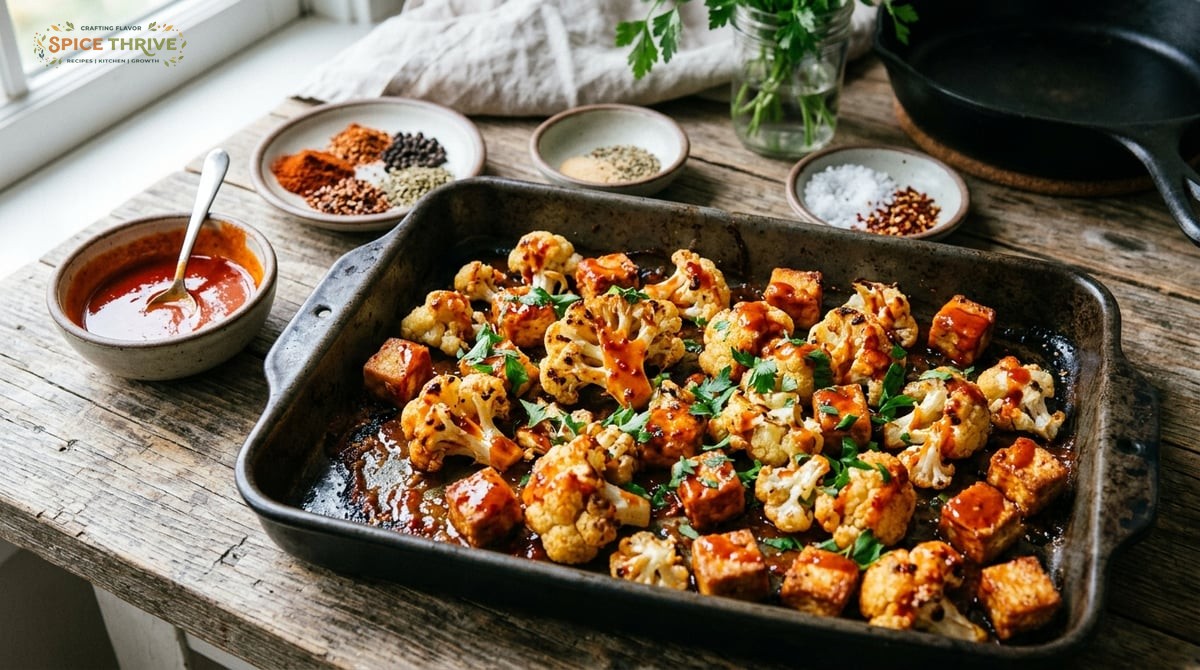
- For tofu or cauliflower: Drizzle over crispy tofu bites or roasted cauliflower steaks for an addictive plant-based twist. I sometimes lightly toss baked chickpeas or crispy tempeh fingers in the sauce for a spicy, protein-packed vegan snack. It even works as a finishing glaze for grilled mushrooms or carrots.
If you’re feeling adventurous, try a “Nashville BBQ fusion” by stirring a spoonful of this hot sauce into plain BBQ sauce—amazing as a glaze on ribs or as a spicy dip for cornbread. Or, for a brunch favorite, blend a bit of hot sauce into softened butter for a Nashville-style compound butter, perfect on biscuits and waffles. Dietary swaps and variations let you adjust this classic for any occasion or need while keeping that irresistible Tennessee payoff.
Storage, Reheating, and Make-Ahead Tips
Storage: Once cooled, pour your Nashville hot sauce into a clean glass jar or airtight container. It keeps in the fridge for up to 2 weeks. Expect some separation—just give it a quick stir or shake before using. I prefer using wide-mouth jars for easy pouring or spooning out exactly what you need. The oil may solidify slightly when cold; let it sit at room temp for 10-15 minutes and swirl to recombine.
Freezing: You can freeze leftovers in a tightly sealed container for up to 2 months. Thaw in the fridge overnight and whisk again for best texture. Individual silicone ice cube trays are handy for portioning small, ready-to-use amounts; simply pop out a cube and stir into your dish. Label with the date and spice level if you freeze more than one variation.
Reheating: This sauce is delicious cold, but if you want to warm it, microwave in 10-15 second bursts, or gently heat in a saucepan over low. Don’t boil, as this can change the flavor and texture. I find room temperature ideal for drizzling, while a just-warmed sauce is perfect for brushing on fried or baked foods for extra shine and penetration.
Make ahead: I often double or triple this recipe before hosting brunches or BBQs. It’s even better after a day, as the flavors mingle. Just leave out the vinegar until just before serving for the freshest tang. For parties, serve in a squeeze bottle or small dipping bowls—guests love customizing their own heat. The sauce will darken and mellow over time, so taste and adjust seasoning the day you serve for freshest results.
For easy clean-up, soak your bowl immediately—the sauce’s vibrant color can stain if left to dry. And don’t forget to label your jar with the date and “heat level” when making larger or milder batches for a crowd.
Printable Recipe Card: Nashville Hot Sauce
Prep Time: 5 minutes
Cook Time: 5 minutes
Total Time: 10 minutes
Yield: About 3/4 cup (180ml)
Allergens: Gluten-free, dairy-free, contains peanuts if using peanut oil
Ingredients:
- 1/2 cup (120ml) hot neutral oil (canola, vegetable, or peanut)
- 1/2 cup (60g) cayenne pepper (sub: half smoked paprika for milder)
- 3 tbsp (40g) brown sugar
- 1 tbsp (8g) smoked paprika
- 1.5 tsp (9g) kosher salt
- 1 tsp (4g) garlic powder
- 1/2 tsp (2g) black pepper
- 1 tsp (5ml) apple cider vinegar (optional)
Instructions:
- Combine all spices and brown sugar in a heatproof bowl. Break up lumps with a fork for a uniform blend.
- Heat oil in small saucepan over medium until shimmering (not smoking); toss in a tiny pinch of spice to test readiness—it should sizzle gently.
- Carefully pour hot oil over spice mixture—let it bubble up; stand back to avoid steam.
- Whisk until smooth and glossy. Finish with vinegar if desired, or additional sugar/spices to taste.
- Cool, then transfer to a clean jar. Store in fridge up to 2 weeks. Stir before each use.
Serving Suggestions: Try it as a Nashville hot drizzle for fried chicken, cauliflower, or grilled tofu. It’s also amazing as a base for spicy mayo, tossed with roasted chickpeas, or as a bold salad dressing ingredient (whisked with lemon juice and a touch more oil).
Nutrition (per tablespoon): 70 kcal, 7g fat, 3g carbs, 0g protein, <1g sugar, 130mg sodium.
Tested by: Jamie, Spice Thrive (about me). Recipe retested and updated June 2024.
Bring the Nashville Heat Home — Your Turn!
I hope you love this Nashville hot sauce as much as we do—once you taste its spicy, sweet, smoky punch, you’ll want to spoon it on everything. Share your creations, ask questions, or check out more global-inspired recipes on Spice Thrive. Happy cooking, and don’t forget to bring extra napkins!
If you’re new to fiery condiments, start with a smaller batch and experiment with heat and sugar, then see what dishes it inspires! I love hearing how readers use this sauce: from backyard BBQ wings to breakfast tacos, and even on popcorn for late-night movie snacks. Tag your creations or send me feedback—every kitchen tweak tells a new story. Most importantly, don’t be afraid to get creative: Nashville tradition is all about big flavor and making things your own.
Common Questions
Can I use less cayenne if I don’t like things too spicy?
Absolutely. Try half cayenne and half smoked paprika, or even use sweet paprika for a very mild version. The sauce will still be smoky and flavorful, just without the major heat. Adjust to taste and don’t be afraid to make a couple small test batches if you’re serving different palates.
What’s the best oil for Nashville hot sauce?
Neutral oils like canola, vegetable, or peanut oil are classic. Olive oil works for a twist—just know it adds a fruity flavor. If you want a richer, nuttier taste, peanut oil is traditional in Nashville, but always account for allergies. Grapeseed and sunflower oils are also good choices if you want completely neutral undertones.
How do I make Nashville hot sauce thicker?
Let it cool a bit longer before using, or double the brown sugar for a stickier glaze-style sauce. For an even thicker, spoonable texture (like for spreading on sandwiches), you can blend in a tablespoon of vegan mayo or a touch of cornstarch slurry, but the classic version simply thickens as it sits.
Can I store leftovers at room temperature?
It’s safest to store in the fridge due to the fresh garlic powder and oil. Room temperature may risk spoilage after a day. Always use a clean spoon when serving to avoid contamination, and be aware that the oil will help preserve it, but only if chilled.
Is it safe to freeze this sauce?
Yes, freeze for up to 2 months in a sealed container. Thaw in the fridge and whisk to re-emulsify. Small portions freeze best–you can even use silicone mini ice-cube trays for easy single servings to add heat to future dishes with zero waste.
Is this recipe gluten-free and vegan?
Yes, as written! Double-check your ingredients to be sure. Skip peanut oil if there are nut allergies. For an extra-creamy vegan option, whisk in plant-based mayo after cooling–great as a spicy spread for sandwiches and burgers.
This article was created with the help of AI. Images may also be AI-generated.