Homemade Mango Habanero Sauce: A Sweet-Heat Favorite
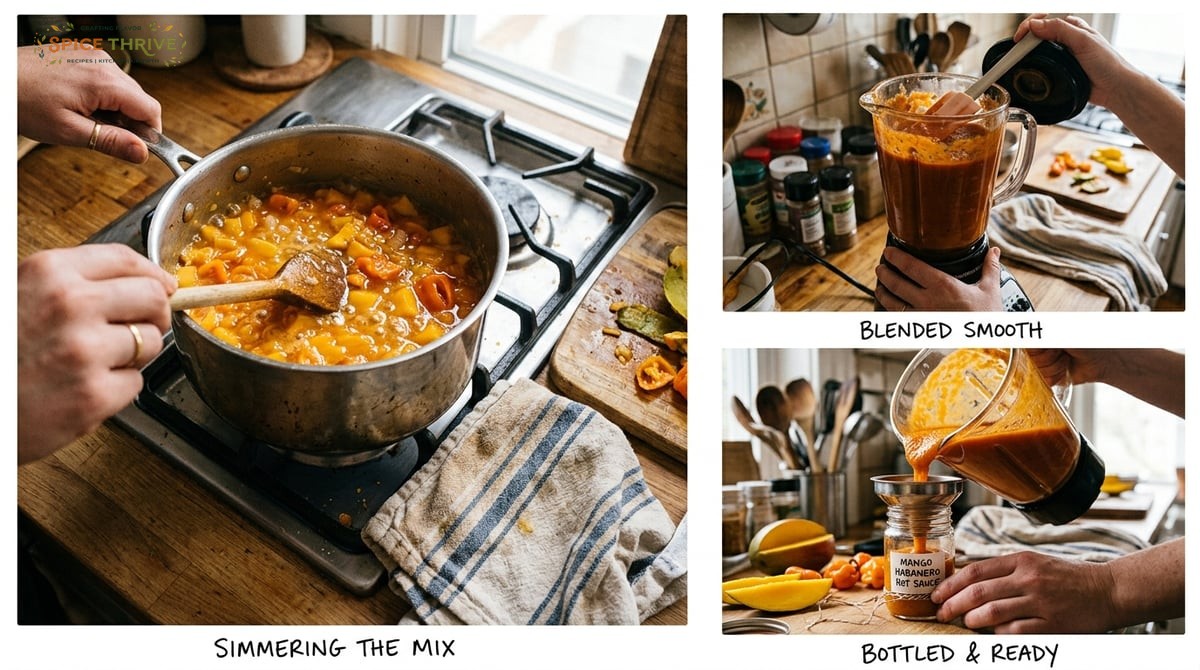
I still remember the first time I made mango habanero sauce at home—not the bottled stuff, but a truly fresh, vibrant batch. It was late spring, fresh mangoes were on sale, and my cousin from Miami insisted I try making this sauce we’d always order at restaurants. My first try was way too fiery (note: habaneros are sneaky!). The second round, balancing sweet mango with tangy lime and letting the sauce simmer down until thick and glossy, changed everything. Today, this is my go-to for drizzling on tacos, dunking wings, or livening up roasted veggies. This recipe is from my own kitchen—tested three times (with plenty of taste testers) until the balance was just right. Scroll down for in-process kitchen photos, plus all my tips and swaps!
Why You’ll Love This Mango Habanero Sauce
- Balanced sweet and spicy: Real ripe mango brings sunshiny sweetness that calms the heat of habanero. You get flavor, not just fire. The natural sugars in mango mellow out the spice and create a nuanced taste profile. It’s the sort of sauce where you taste layers: the fruity mango first, then a pleasant tingle of heat that lingers gently, never overpowering.
- Restaurant-worthy texture and shine: Simmering gently means the sauce thickens beautifully—no gummy bottled aftertaste. Consistent stirring ensures a glossy, clingy finish you’ll recognize from your favorite wing joints—but with more genuine flavor. This sauce turns out spoonable, pourable, and perfect for tossing or drizzling, rather than the thick, sugary store-bought kinds.
- Tested in real kitchens: I made this sauce three times for wings, tacos, and even grilled tofu. Every batch got approving nods from skeptical friends (including a spice fiend and a heat-hater). Some preferred it over pizza, others dipped sweet potato fries, and one friend even used it as a salad dressing base with olive oil. It’s become a must-have for taco nights or quick weekday meals.
- Flexible, forgiving, and fun: Too hot? Swap in a milder pepper. No fresh mango? Frozen works great. Plenty of ways to own your flavor. A friend made it with peaches and mild Fresno chilis for her kids; another used agave for vegan guests and stirred in fresh cilantro. This sauce adapts easily to almost any palate or occasion, letting you tweak the spice, sweetness, or acidity to preference. You can adjust citrus or even sneak in ginger or spices for your spin.
- No weird additives: Just real ingredients you can pronounce, and no hidden sugars or preservatives. You control every spoonful. Unlike commercial sauces, this homemade version skips thickeners, colorings, and corn syrup, giving real food enthusiasts total control over both taste and nutrition. A few minutes of simmering at home saves you from additives you’d rather skip.
Mango Habanero Sauce Ingredients & Simple Swaps
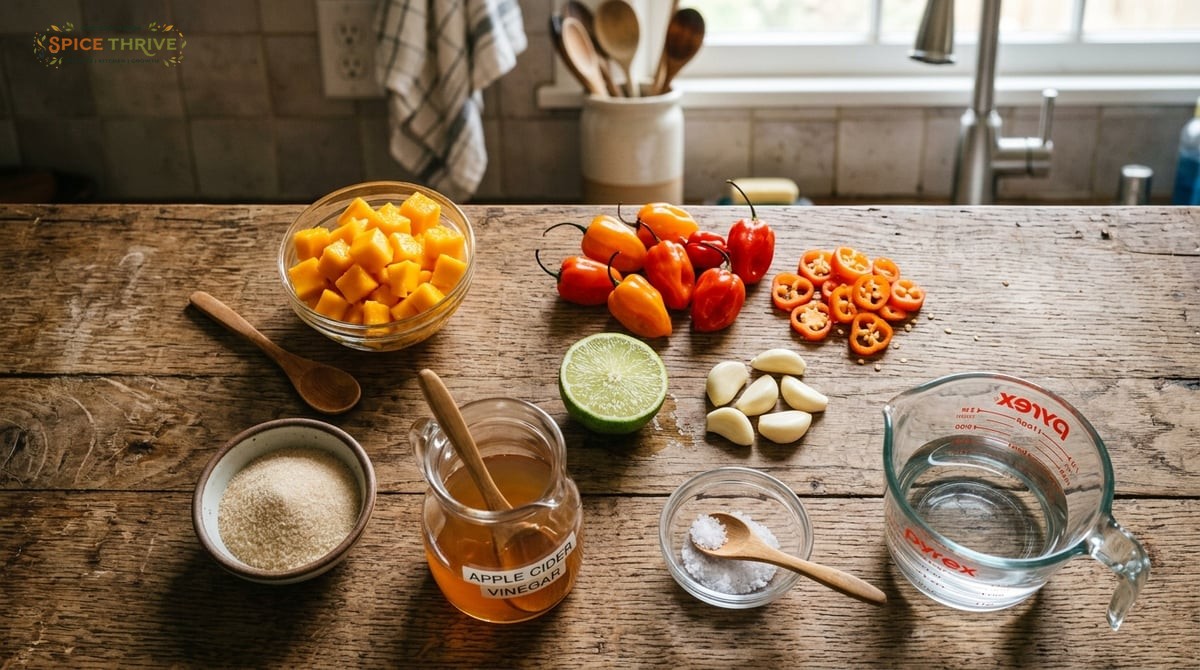
Here’s what you’ll need (with both cup and gram measures, plus why each ingredient matters):
- 1 1/2 cups (225g) ripe mango, diced: The soul of the sauce—provides body and bright, tangy sweetness. Frozen mango works in a pinch! The flavor and texture of the mango you use will make or break this sauce. If you use a mango that’s just barely ripe, expect a tarter sauce, while a golden, soft-at-the-touch mango gives thick, jammy results. Ataulfo or honey mangoes create a richer yellow color and smoother texture compared to the larger, fibrous Tommy Atkins variety. If using frozen fruit, let it thaw and pat dry with a paper towel to prevent extra liquid from thinning the sauce.
- 2-3 habanero peppers (about 20-30g), seeded & chopped: Bold heat and fruity flavor. Use gloves and start with fewer peppers if unsure. For milder spice, sub jalapeño or Fresno chili. Habaneros bring more than just burn—they have a signature tropical aroma that complements mango’s flavor. If you’re new to them, start with two peppers, taste after blending, and adjust as needed; even one small habanero can bring the heat! Roasting or charring habaneros before adding can highlight their fruity undertones and add a smoky edge to the sauce.
- 1/4 cup (60ml) apple cider vinegar: Balances the sweetness, adds gentle tang. This helps to preserve the sauce slightly and rounds out the bold fruity notes, so the sauce has lift rather than tasting flat. Apple cider vinegar has a touch of natural sweetness; if you only have white vinegar, use half and add extra lime juice for balance.
- 1/3 cup (65g) white sugar or honey: Deepens flavor, promotes glossy texture. Maple syrup works for a twist. Sweetener balances the tart mango and fiery chili, and also helps the sauce achieve a shiny, appealing finish. Honey rounds out the flavors with floral undertones, while maple brings caramel notes. For those who watch sugars, coconut sugar or agave syrup can be used, but expect a darker color and a faintly different flavor.
- 2 tablespoons (30ml) fresh lime juice: Lifts all the flavors, keeping things bright. Fresh-squeezed is best. Lime adds zing and cuts through the rich texture, preventing the sauce from feeling heavy—bottled juice works, but if you have a fresh lime, don’t skip it! Zest a little lime for even more citrusy punch.
- 2 cloves garlic, minced: Adds earthy depth and savory baseline. Garlic is subtle here, but it anchors the sweet, sharp, and spicy flavors. You could swap for garlic powder in a pinch (about 1/2 teaspoon), but freshly minced gives a better bite.
- 1/4 teaspoon salt (1g): Essential for bringing flavors together. Don’t skip salt—it enhances the overall flavor, and you can adjust to taste at the end. Kosher or sea salt dissolves easily, but table salt works too.
- 1/2 cup (120ml) water: Adjusts consistency and prevents sticking during simmer. Water ensures the sauce cooks evenly without scorching, and helps blend all the flavors smoothly. For a thicker result, use less, or for a pourable sauce, add a splash more after blending.
Allergy/dietary notes: Vegan, gluten free, nut free as written. Use organic sugar for strict vegan. If you’re catering to allergies, always double-check your vinegar and any sweetener labels to ensure no cross-contamination.
How to Make Mango Habanero Sauce (Step-by-Step Guide)
Step 1: Prep peppers and mango: Wear gloves for the habaneros! Remove stems, seeds, and ribs for less heat. Dice mango into even cubes. Set up all prepped ingredients next to your stove. Prepping everything before you start (the French call this mise en place) helps you avoid scrambling mid-recipe, especially with spicy ingredients—a quick wash of knife and cutting board keeps your kitchen safe. If working with kids, have them help peel or dice the mango (no chilis!) for a fun way to involve everyone.
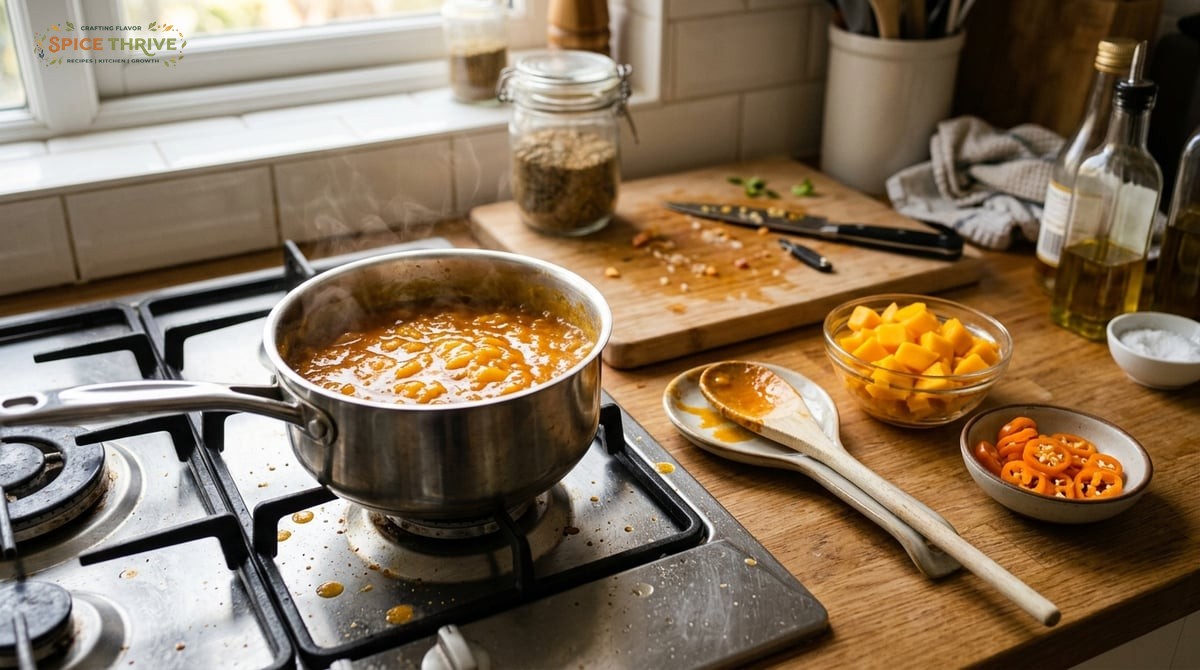
Step 2: Simmer and soften: In a medium saucepan, combine diced mango, chopped habanero, garlic, sugar, salt, vinegar, lime juice, and water. Bring to a gentle boil over medium heat. Once boiling, stir often and reduce heat to low. Simmer uncovered for 12-15 minutes. The mango should look very soft, almost collapsing, and the sauce will smell fruity and sharp. The flavors really start to meld as it simmers—taste the aroma in your kitchen transform from raw garlic and chili to a mellow, sweet-spicy perfume. If the sauce reduces too quickly (scorching or sticking), add a tablespoon of water as needed. Stirring often keeps the mixture from burning on the bottom and ensures even softening, especially if your mango was a bit underripe.
Step 3: Blend until smooth: Let the sauce cool for 5 minutes. Carefully transfer (it’s hot!) to a blender or use an immersion blender in the pot. Puree until totally smooth—no chunks, glossy and silky. Taste carefully; you can add extra vinegar, a touch of sugar, or a splash more lime if needed. For a kid-friendly batch, blend thoroughly, then strain through a fine mesh sieve to remove any lingering pulp or pepper bits. A high-powered blender yields the smoothest sauce, but an immersion blender saves on cleanup and works perfectly well with a little extra blending time.
Step 4: Finish and check texture: Return sauce to the pot (if needed). Simmer 2-5 minutes more, stirring, until thick enough to coat the back of a spoon. You’ll hear gentle bubbling and see the sauce coat the pot. Let cool to room temperature before bottling or serving. This step lets the flavors concentrate just a bit more, and the sauce will thicken as it cools. Don’t worry if it looks thin at first—a spoon test (dipping a clean spoon and running your finger through the coating) is a reliable way to check thickness. If you jar the sauce while hot, cool completely at room temperature before refrigerating. It will firm up a bit more as it chills, ideal for dipping and pouring.
Pro Tips & Troubleshooting (From My Kitchen Adventures)
- Handle habaneros with care: First time I made this, I forgot gloves. My hands stung for hours! Always wear gloves and avoid touching your face. If habanero juices get on your skin, try rubbing with a little cooking oil before washing with soap and water—it helps break down the oils. If you happen to get chili in your eye, flush immediately with cool running water; dairy (milk or yogurt) can also help ease burning skin.
- Balance is personal: If you like it milder, remove all chili seeds and ribs. Want smoky vibes? Try charring the chilis or adding a dash of smoked paprika. Everybody’s heat tolerance is different; make the sauce your own. For a fragrant kick, throw in a few cilantro stems or a pinch of ground cumin at the end, but always taste and adjust as you go.
- If sauce is too runny: Simmer longer, uncovered. Patience brings out glossy thickness—rushing leads to watery results. Slow thickening is the key to a sauce that coats wings or clings to tacos. On a humid day, or if using very juicy fruit, add cooking time. You can even prepare the sauce a day ahead, chill overnight, and it will thicken further in the fridge.
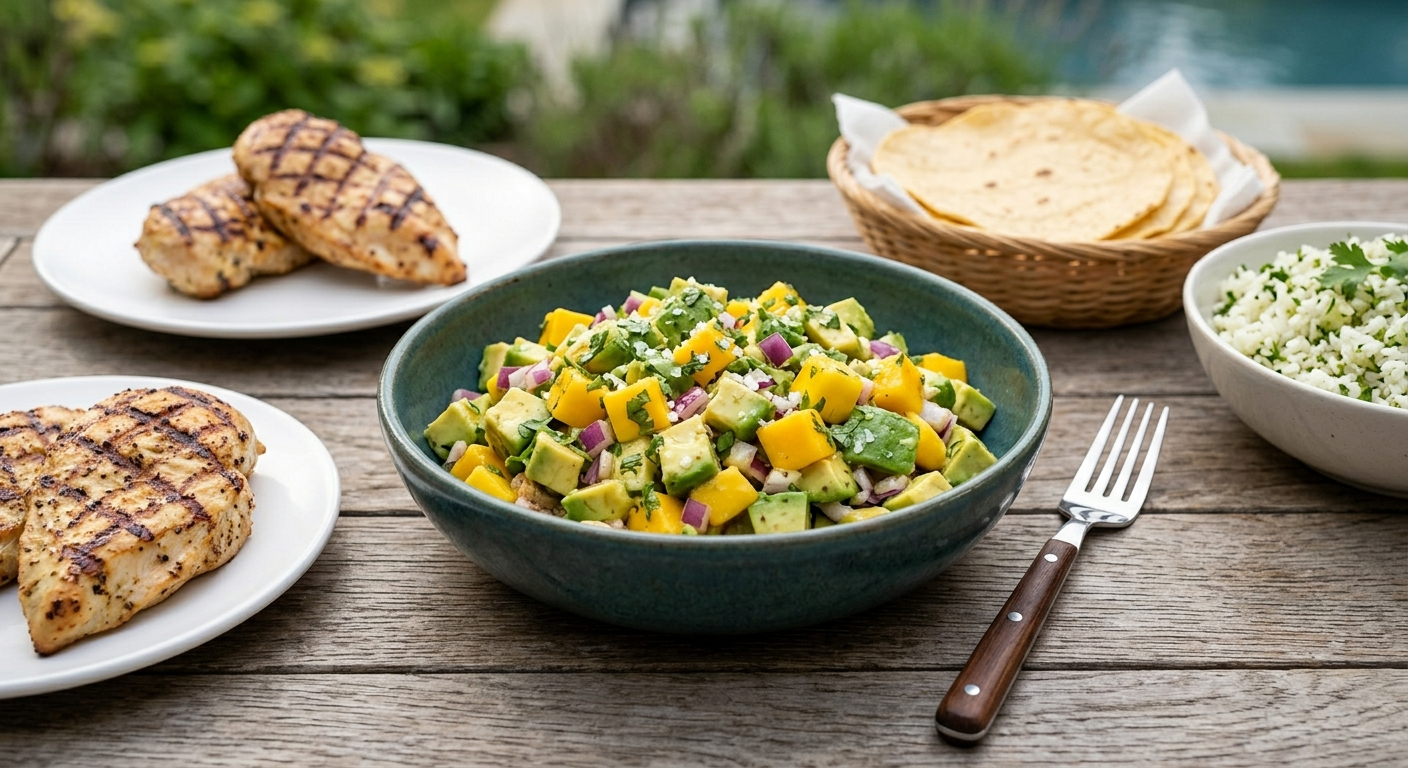
- For a chunkier sauce: Pulse blend instead of pureeing fully. Great for salsas and tacos. Blend in short pulses, leaving small mango pieces throughout for a salsa-like texture. A chunkier version makes an excellent topping for grilled chicken or fish, or a dip for chips.
- Batch size matters: Sauce thickens faster in a wider pan. Crowded pot = longer cooking time. If doubling the recipe, use a large skillet or wide saucepan so water can evaporate efficiently, helping concentrate those bright flavors. Smaller pots trap more steam and can lead to a longer reduction phase. Monitor closely if increasing batch size!
What went wrong the first time? I used too much water and let it cook too quick on high heat—my sauce was thin and the mango flavor got lost. On the second try, lowering the heat and stirring frequently made all the difference in both potency and texture. The best batches came when I tasted along the way and adjusted acid, sweetness, or heat to match what I wanted, rather than strictly following measurements. Trust your palate and the sight and feel of the sauce as much as your measuring spoons!
Variations & Dietary Swaps
- Milder version: Swap half the habanero with jalapeño for a gentler heat or use only one small habanero. You can also halve the habanero, blend, taste, and add more in increments for pinpoint spice levels. Roasted red peppers are another way to bulk up sauce volume without making it spicier, and deliver bright color.
- Vegan & gluten-free: Sauce is naturally both! If you use honey and want vegan, swap for agave or maple syrup. Some vegan friends like agave for a clean, light sweetness. If you’re gluten intolerant, check your vinegar and sweetener labels, just in case—most standard vinegars are fine, but some flavored kinds aren’t.
- Fruit swap: Pineapple, peach, or papaya instead of (or alongside) mango gives a fun twist. Pineapple will add extra tang and acidity; peach brings more mellow, floral, and honeyed notes. Use about the same quantity and adjust acid to taste. A tropical combo—half mango, half pineapple—was a hit at my last barbecue. Stone fruits like apricot or nectarine are also wonderful; just dice small and adjust cook time if they’re firmer than mango.
- More savory: Add a splash of soy sauce or grated ginger for a deeper, umami undertone—just check for gluten if that’s a concern. Fresh ginger root, grated, infuses the sauce with warmth and aromatic bite. For a bolder savory-sweet profile, stir in a teaspoon of tamari (for gluten free) or coconut aminos during the final simmer step.
- Smoky version: Add 1/4 teaspoon smoked paprika or a roasted red pepper. You can also grill the mango before adding, or smoke the chilis over a wood chip stove-top smoker for even more complex flavor.
This sauce is also nut free and dairy free. Always double-check labels if allergies are a concern. Soy-based ingredients can sometimes contain traces of nuts if processed in shared facilities, so consider tamari for strict nut-free serving. The base recipe’s simplicity makes it ideal for adapting to nearly any diet or preference, so experiment and make it your own!
Storage, Reheating, and Make Ahead Tips
- Storage: Pour cooled sauce into a clean glass jar or airtight container. It will keep in the fridge up to 2 weeks. Homemade sauces have no preservatives, so always use a clean spoon to dip. For best flavor and food safety, write the date on your jar or use painter’s tape as a temporary label.
- Freezer tips: Freeze in small portions (ice cube trays or silicone freezer cups). Thaw in the fridge and stir well before using. Frozen cubes are great for tossing right into stir-fries or blending into dips. If freezing for longer than three months, use a double layer of plastic or vacuum seal for best flavor preservation.
- Reheating: Warm gently in a saucepan over low heat, stirring frequently. Avoid boiling to keep flavors bright and texture glossy. For a quick flavor boost, stir in a little fresh lime or chopped cilantro after reheating, just before serving.
- Make ahead: This sauce only gets better after a day in the fridge—the flavors mellow and mingle. Great for prepping before parties. I like to double the batch before taco night and use leftovers as a super-fast wing glaze or burger topping later in the week—it’s a time-saving condiment staple.
For gifting, pour cooled sauce into sterilized jars, add a handmade label, and store in the refrigerator. Always spoon out with a clean utensil to avoid spoilage. Attach a note with serving suggestions (“Try on grilled chicken or with fries!”) for a personal touch. The vivid color makes it a beautiful, unique hostess or holiday gift, especially in a small basket with tortilla chips or a jar of pickled onions.
Sweet, Spicy, and Homemade: Let’s Get Saucy!
I hope this mango habanero sauce recipe helps you bring a little extra excitement to your kitchen. Every time I make it, I’m amazed by how quick, bright, and packed with flavor it is—better than anything that comes in a bottle. If you try it, let me know how you tweak it and what you spoon it on. For more first-hand tested sauces, from sweet chili to teriyaki glaze, check the rest of Spice Thrive. Cook boldly, and share your results!
Recipe retested and updated June 2024 by Casey from Spice Thrive—home cook, tested-it-myself sauce lover, and advocate for making your own kitchen a little spicier.
Common Questions
Can I make this sauce less spicy?
Absolutely! Use just one habanero or swap in one jalapeño for extra mildness. Removing all seeds and ribs also cuts the heat.
How can I make the sauce thicker or thinner?
For thicker, simmer longer with the lid off. For thinner, add a little water after blending and stir until smooth.
Is this sauce vegan and gluten free?
Yes, as written. Use maple syrup or agave instead of honey for a vegan version. All other ingredients are gluten free.
What should I serve with mango habanero sauce?
It’s fantastic on wings, tacos, roasted veggies, grilled tofu, fish, and even with samosas or fried rice. Get creative!
Can I use frozen mango?
Definitely! Thaw and drain before using—fresh is best for brightest flavor, but frozen works just fine.
Is it safe to can or preserve this sauce?
This recipe has not been tested for safe canning. For longer storage, freeze in small portions instead.
This article was created with the help of AI. Images may also be AI-generated.