Discovering Cuban Dishes: A Personal Invitation
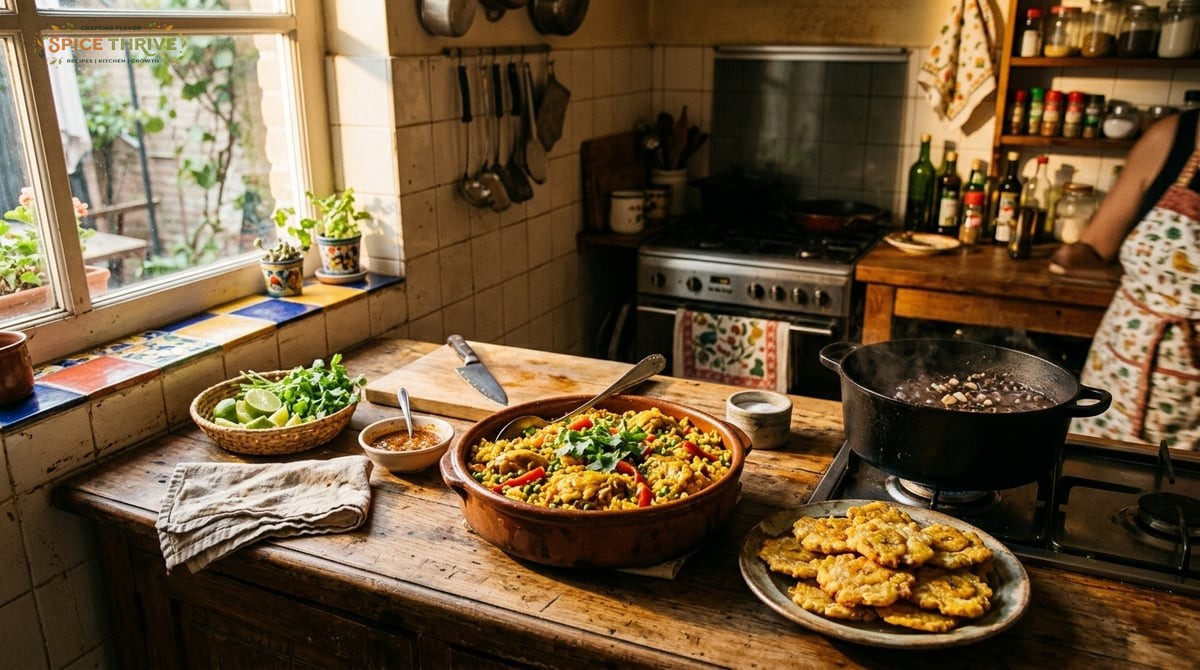
Years ago, my neighbor Gloria welcomed me into her small but bustling kitchen for her son’s birthday. The brightest memory that lingers isn’t the party, but standing elbow-to-elbow as we fried croquetas, stirred arroz con pollo, and sampled caramelized plantains right out of the skillet. Cuban cooking isn’t about technique alone—it’s about warmth, laughter, and food that draws everyone into the heart of the kitchen. Each visit to Gloria’s home became a new cooking lesson—sometimes laundry hung nearby, music played softly, and relatives popped in and out, but the kitchen was always the center. As I’ve tested and tweaked these recipes over the years (and fumbled more than once with my first empanadas), I’ve come to appreciate the real magic of Cuban food: bold flavors, soulful comfort, and the joy of sharing each bite. In this post, I’ll guide you through authentic Cuban classics I’ve cooked, tested, and loved, so you can bring that same joy and flavor to your own table. Whether you’re new to Cuban food or grew up with abuela’s specialties, you’ll find practical tips, approachable recipes, and the inviting spirit I’ve felt from every Cuban cook I’ve met.
Why You Will Love These Cuban Recipes
- Rich, Layered Flavors: Every dish is built on a foundation of aromatic onions, peppers, and garlic (the classic sofrito), coaxed into deep flavor with spices and slow simmering. Cuban dishes often use an intricate balance between sweet, savory, and tangy: a bit of citrus to brighten picadillo, a touch of brown sugar in stews, or green olives for briny contrast. These overlapping flavors create food that feels complex but never overwhelming.
- Tested and Trusted: I tested each recipe at least twice—sometimes three times—refining seasoning, swapping shortcuts, and troubleshooting texture until it tasted just like Gloria’s. When making croquetas, for example, achieving the right creamy interior without being gummy took several attempts. The arroz con pollo is based on notes scribbled in the margins over years of trial and error—so you won’t be guessing at what works.
- Ingredient Swaps Welcome: These recipes include tips for finding substitutions from your own pantry or local shops, so you don’t need specialty stores to get started. Can’t find a rare chili or Cuban-style chorizo? I’ll recommend reliable swaps using smoked paprika, mild Italian sausage, or even common red bell peppers that still evoke the original dish’s spirit.
- Sensory Satisfaction: Expect golden, crispy crusts, fork-tender meats, lively citrus, and the sweet, toasty aroma of plantains caramelizing in butter. Dishes are designed to delight: the sizzle and aroma as you mash tostones, the bright color of mojo marinade, and the gentle steam that rises as you lift the lid off a rice pot. Every sense is engaged—taste, smell, sight, even the sound of bubbling sofrito.
- Accessible for Home Cooks: No professional tricks required—just real, doable steps with photos and honest advice when something goes sideways. Each recipe has make-ahead and storage notes, plus tips for troubleshooting (like what to do if your black beans aren’t thickening, or how to revive overcooked plantains). You’ll feel supported every step—even improvising with what you have.
Essential Cuban Ingredients and Possible Swaps
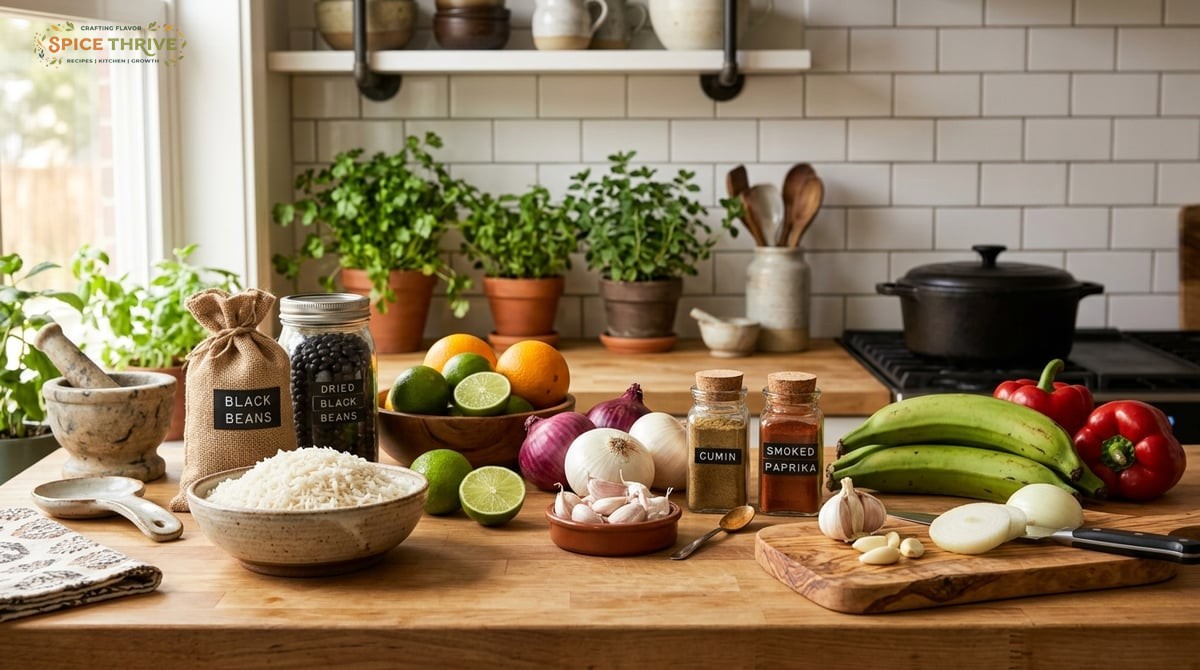
Cuban cooking is rooted in a few pantry-friendly ingredients. Here’s a quick rundown, with measures for a typical meal serving 4:
- Long-Grain White Rice: 2 cups (400g) — Foundation for dishes like arroz con pollo. Jasmine or basmati are okay subs. Rice is served in almost every Cuban meal, sometimes molded into domes alongside beans or simply mounded as a base. If you use brown rice, just add 10-15 minutes to your cooking time and an extra 1/4 cup of broth.
- Black Beans: 1 cup dry (200g) or 2 cans (800g cooked) — Creamy and earthy, easily swapped for kidney or pinto beans if needed. Black beans are often simmered with onion, green pepper, garlic, cumin, and a touch of vinegar or sugar to round out the flavor.
- Onions, Green Bell Peppers, Garlic: 1 large onion (200g), 1 pepper (120g), 4 cloves garlic (20g) — The holy trinity, forming sofrito for most Cuban recipes. Sofrito is your flavor base: sautéed low and slow to build sweetness and depth, then spread across rice, beans, meats, and stews.
- Tomato Sauce: 1 cup (240g) — For picadillo and stews. Crushed tomatoes or tomato passata also work. A splash of tomato thickens and brightens many Cuban dishes (even beans sometimes!).
- Ground Beef or Chicken Thighs: 1 lb (450g) — Beef is classic for picadillo, chicken for arroz con pollo. Tofu for a veggie twist. Cubans often prefer darker meats for more moisture and flavor; chicken thighs are ideal because they resist drying out in long simmers.
- Olive Oil: 3 tbsp (45ml) — Base for sautéing. If you’re out, canola works, but olive oil adds a touch of fruitiness. For a traditional flair, some cooks add a bit of rendered bacon fat when starting the sofrito.
- Spanish Olives: 1/2 cup (60g) — Adds briny depth to meats. Omit for a milder flavor. Pimento-stuffed manzanilla olives are classic—add in raisins for sweet contrast if you’re making picadillo or empanada fillings.
- Plantains: 2 large (500g total) — For that sweet, golden edge. Unripe for savory tostones, ripe for sweet maduros. In a pinch, you can sub sweet potato slices, shallow-fried until crisp on the outside and soft inside.
- Spices: Cumin (2 tsp, 4g), Oregano (1 tsp, 2g), Bay Leaf, Salt and Pepper — Adjustable to your taste. Some families use a dash of smoked paprika or a hint of clove in their stews for smokiness and warmth.
- Citrus: Juice of 1 orange and 1 lime (about 90ml total) — Adds zest and brightness to roast meats and dressings. Cuban mojo is often made with sour orange, but a mix of orange and lime works beautifully if sour oranges aren’t available.
Ingredient combos like garlic, olive oil, onions, and peppers form the cornerstone of many Latin kitchens, but what sets Cuban staples apart is their subtle contrast: sweet meets savory, with briny and fresh notes always present. Allergen notes: Most recipes here are naturally gluten free. Always check sausage, bouillon, and spice blends for hidden gluten. Eggs or dairy appear in some croquetas or desserts—see Variations below for swaps. Keep in mind some popular snacks (like pastelitos) may contain wheat, but recipes here focus on naturally gluten-free options.
Step-by-Step: Classic Arroz con Pollo (Cuban Chicken and Rice)
Prep Time: 15 min | Cook Time: 50 min | Total Time: 1 hr 5 min | Yield: Serves 4-6
- Sear the Chicken: Season 1.5 lbs (700g) bone-in chicken thighs with salt and pepper. Brown in 2 tbsp (30ml) hot olive oil (Dutch oven or deep skillet) until deep golden on both sides. Remove and set aside. Don’t overcrowd—work in batches for best crust. You want a little bit of fond (caramelized bits) left in the pot, as this builds intense flavor later on.
- Build the Sofrito: In the same pot, sauté 1 large diced onion, 1 diced green pepper, and 4 minced garlic cloves until soft and fragrant, scraping up any caramelized bits. This should take about 6-8 minutes over medium heat. Stir frequently and lower the heat if anything browns too quickly.
- Layer Flavors: Stir in 1 cup (240g) tomato sauce, 2 tsp (4g) cumin, 1 tsp (2g) dried oregano, 1 bay leaf, and 1/2 cup (60g) sliced green olives. Cook until the sauce is thick and glossy, about 3 minutes. For extra depth, add 1/2 cup (60g) frozen peas at this stage or a splash of dry white wine for brightness. The olives contribute a subtle tartness that balances the savory chicken and sweet bell pepper, lending the dish its distinctive Cuban profile.
- Add Rice and Stock: Pour in 2 cups (400g) rinsed long-grain white rice, then 3.5 cups (825ml) chicken stock. Return chicken (and any juices) to the pot. Nestle pieces down into the rice. If you use boneless thighs or breasts, reduce the simmering time by about 10 minutes and check doneness early. You can also add a few roasted red pepper strips for color and sweetness.
- Simmer and Steam: Bring to a gentle simmer, cover, reduce heat to low, and cook 30 minutes. The rice should be fluffy, tender, and tinted gold from the sauce. Let stand, covered, 10 minutes off the heat before fluffing with a fork. If the rice appears dry before 30 minutes, drizzle in a few extra tablespoons of broth or water and cover tightly again.
- Finish and Serve: Drizzle with the juice of 1 lime and scatter chopped cilantro or parsley. Serve with sweet plantains on the side. (See photos for visual cues at each step!) Consider a wedge of avocado and wedges of orange for a brighter plate. The subtle citrus aroma as you finish with lime will wake everything up and give you that classic Cuban scent right at the table.
First try, my rice clumped and stuck to the pot—adding a bit more broth and lowering the heat fixed it. Watch for gentle steam, not a rolling boil! Don’t be afraid to taste the rice for doneness—every stove is a little different. Leftovers make fantastic next-day lunches; the flavors intensify and the rice stays surprisingly moist with a splash of stock when reheating.
Pro Tips and Common Pitfalls: Cooking Cuban Food at Home
- Rice Texture: Don’t rush it! Fluff with a fork and let the steam finish the cook. My first batch was mushy from peeking and stirring—keep the lid on. If you can, use a heavy-bottomed pot or Dutch oven: it distributes heat evenly and helps prevent scorching. For perfect grains, rinse rice until water runs clear—this removes excess starch and gives the final dish a light, distinct texture.
- Sofrito Base: Start low and slow. Let onions caramelize just a touch for depth. Raw garlic can make the flavor sharp. In Cuban homes, building sofrito is almost ceremonial—some cooks even prepare it in large jars and keep it on hand throughout the week, ready to spoon into beans, stews, or even scrambled eggs.
- Seasoning: Taste as you build—salt, acid, and spice should be balanced. If it’s bland, a splash of orange juice or extra olives wakes everything up. Cuban seasoning isn’t about fiery heat—think round, full flavors. Don’t hesitate to add half a teaspoon of sugar to tame sharp acidity, especially in tomato-based dishes.
- Chicken Doneness: For arroz con pollo, use bone-in thighs. Boneless overcooks fast and dries out. If you only have boneless chicken, reduce simmer time and check the meat early—juiciness is key. Crispy skin isn’t traditional in arroz con pollo, but you can crisp the chicken under the broiler for 2 minutes before serving if you crave contrast.
- Plantains: Fry in hot oil just until edges go deep caramel brown—they burn fast! Test with a single piece first. For sweet maduros, the plantains should be nearly black on the outside—don’t be afraid of a very ripe look. For savory tostones, use yellow-green fruit, slice thick, fry, smash, and fry again for perfect crispness. Sprinkle with a little sea salt before serving.
The most common mistake: over-salting or overcooking. Adjust patiently, and always let the dish “rest” (especially the rice) before serving for best texture and flavor. Let soups or stews settle, too—the difference after 10 minutes is noticeable. If in doubt, err on the side of under-seasoning and brighten with herbs, lime, or a final drizzle of olive oil at the table.
Variations and Dietary Swaps for Cuban Favorites
- Vegetarian Picadillo: Use lentils or crumbled firm tofu instead of ground beef. Sauté with sweet potatoes and raisins for a hearty, satisfying alternative. Add smoked paprika for extra depth and be sure to include green olives for that signature Cuban touch. Chickpeas also work well for added protein and texture—just simmer gently so they don’t break apart.
- Vegan Maduros: Use vegetable oil instead of butter and skip any cheese toppings. Maduros are naturally vegan with this simple swap. For a savory twist, toss hot maduros with a pinch of sea salt and a splash of lime juice—this balances their sweetness, giving you a snack or side that fits almost any plate.
- Gluten-Free Everything: Most Cuban mains are gluten free by default, but double-check labels on broth, seasonings, and add-ins like sausage or ham. For croquetas, substitute gluten-free breadcrumbs or pulverized rice crackers. If you’re baking empanadas, use a gluten-free flour blend (make sure it contains xanthan gum for best texture).
- Dairy-Free Arroz con Pollo: The classic version is dairy-free. For creamy variations, use coconut cream instead of regular cream. Real coconut flavor weds beautifully with Cuban seasonings, so try stirring a tablespoon into black beans or as a finishing swirl in soups for richness without dairy.
- Low-Sodium Options: Use homemade broth and rinse canned beans well—flavor with fresh citrus and herbs to boost taste without extra salt. When making stews or picadillo, amplify garlic and cumin, and finish with a flourish of cilantro or parsley for vivid, fresh flavor without adding sodium.
Almost every Cuban recipe can be tweaked to fit dietary needs. Try swapping chorizo for soy sausage or crumbled tempeh in classic dishes, or make pastelon with layers of roasted vegetables instead of beef. For more vegetarian mains, try my Vegetarian Fried Rice or Vegetarian Curry as global sidekicks. Don’t hesitate to experiment—Cuban kitchens have always thrived on flexibility, adapting to what’s on hand while keeping those signature flavors front and center.
Storage, Reheating, and Make-Ahead Advice
- Rice Dishes: Cool completely before transferring to airtight containers. Refrigerate up to 4 days or freeze up to 2 months. Reheat gently with a splash of water in a covered microwave bowl or on the stovetop, fluffing often. For paellas or mixed rice, sprinkle a little extra broth before reheating to prevent drying out; always reheat only what you plan to eat so the rice doesn’t get mushy from repeated warming.
- Plantains: Best eaten fresh, but leftovers crisp back up in a hot skillet with a teaspoon of oil. For frozen slices, thaw in the fridge and toast briefly under a broiler for a caramelized edge. Lay plantains on a single layer when storing to keep them from sticking.
- Beans and Stews: These actually improve with overnight rest in the fridge—flavors meld together beautifully. Stir well before reheating. Beans thicken as they sit, so add an ice cube or two when microwaving and cover to trap moisture. For soups, portion into single-serving containers for grab-and-go meals.
- Croquetas: Freeze cooked or raw (unbreaded) on a parchment-lined sheet, then bag once firm. Bake or fry straight from frozen (add a minute or two to cook time). Leftover croquetas also make excellent quick sandwich fillings: just split and tuck into soft rolls with lettuce, tomato, and a squeeze of lime-based aioli.
Most Cuban dishes are forgiving and friendly for batch prep. For big parties, arroz con pollo or picadillo can be doubled—just use a huge pot and stir from the bottom so nothing sticks. If you’re feeding a crowd, try assembling everything the day before so flavors intensify and your gathering day runs stress-free. Cuban meals are meant for sharing, so feel free to scale recipes and pack leftovers for next-day lunches—they hold up well and even taste better as the flavors meld.
Cook, Taste, and Celebrate Cuban Food with Spice Thrive
I hope these tips, tested recipes, and real cooking stories inspire you to fill your kitchen with the lively aromas of Cuban food. If you try a dish or put your own spin on a classic, share your results and questions in the comments below—or tag #SpiceThrive on social. Home-cooked Cuban meals invite conversation: set out an extra chair, pour a bit of café con leche, and invite someone to taste alongside you. It’s not just about the food—it’s about the joy of gathering, even for a quick weekday dinner.
Hungry for more kitchen adventures? Meet me here to discover how Spice Thrive brings global flavors to your table, one tested recipe at a time. From hearty black beans to citrusy marinades, let these approachable dishes and stories connect you to the Cuban spirit—where every meal is a celebration and every cook is welcome at the table.
Common Questions About Cooking Cuban Dishes
Can I make arroz con pollo ahead of time?
Yes! Prepare up to 2 days ahead. Reheat gently with a splash of stock or water to restore moisture before serving. For best flavor and texture, stop the initial cook while the rice is still slightly underdone, cool completely, then finish reheating just before serving.
What’s a good vegetarian substitute for Cuban picadillo?
Crumbled tofu or cooked lentils make great bases. Add raisins, olives, and a splash of tomato for depth. For extra richness, sauté with a bit of olive oil and a pinch of smoked paprika or add diced sweet potato for substance and color.
Are Cuban dishes usually spicy?
No. Cuban food is about bold savoriness and aromatics, not heat. For a kick, serve with hot sauce on the side. A few dashes of your favorite hot sauce or a sprinkle of chopped fresh chilies at the table lets each diner control their heat without changing the signature Cuban balance.
What can I use if I can’t find plantains?
Sweet potatoes or ripe bananas can give a bit of that sweet, starchy contrast, though the texture will differ. Try slicing and pan-frying sweet potatoes with a pinch of brown sugar for a similar caramelized flavor.
How do I avoid sticky, clumpy rice?
Rinse your rice well before cooking, don’t over-stir, and let it sit covered off heat for at least 10 minutes. Fluff with a fork! Using a heavy-bottomed pot or adding a teaspoon of oil before cooking helps grains stay separate.
Can I freeze Cuban black beans or stews?
Absolutely. Portion into freezer-safe containers, let cool to room temp, and freeze for up to 2 months. Beans and stews even get better with time—just thaw overnight in the fridge and reheat gently, adding a splash of water or broth if needed.
This article was created with the help of AI. Images may also be AI-generated.