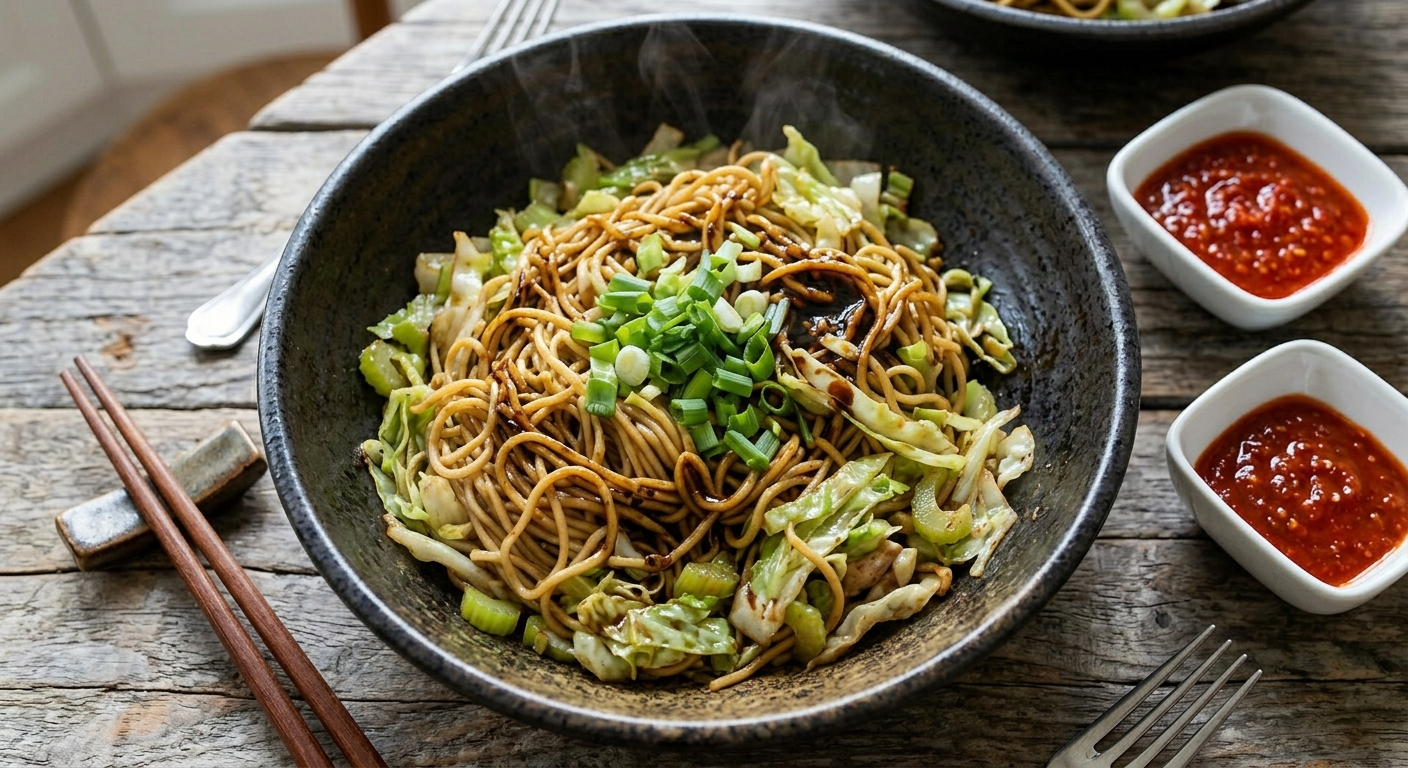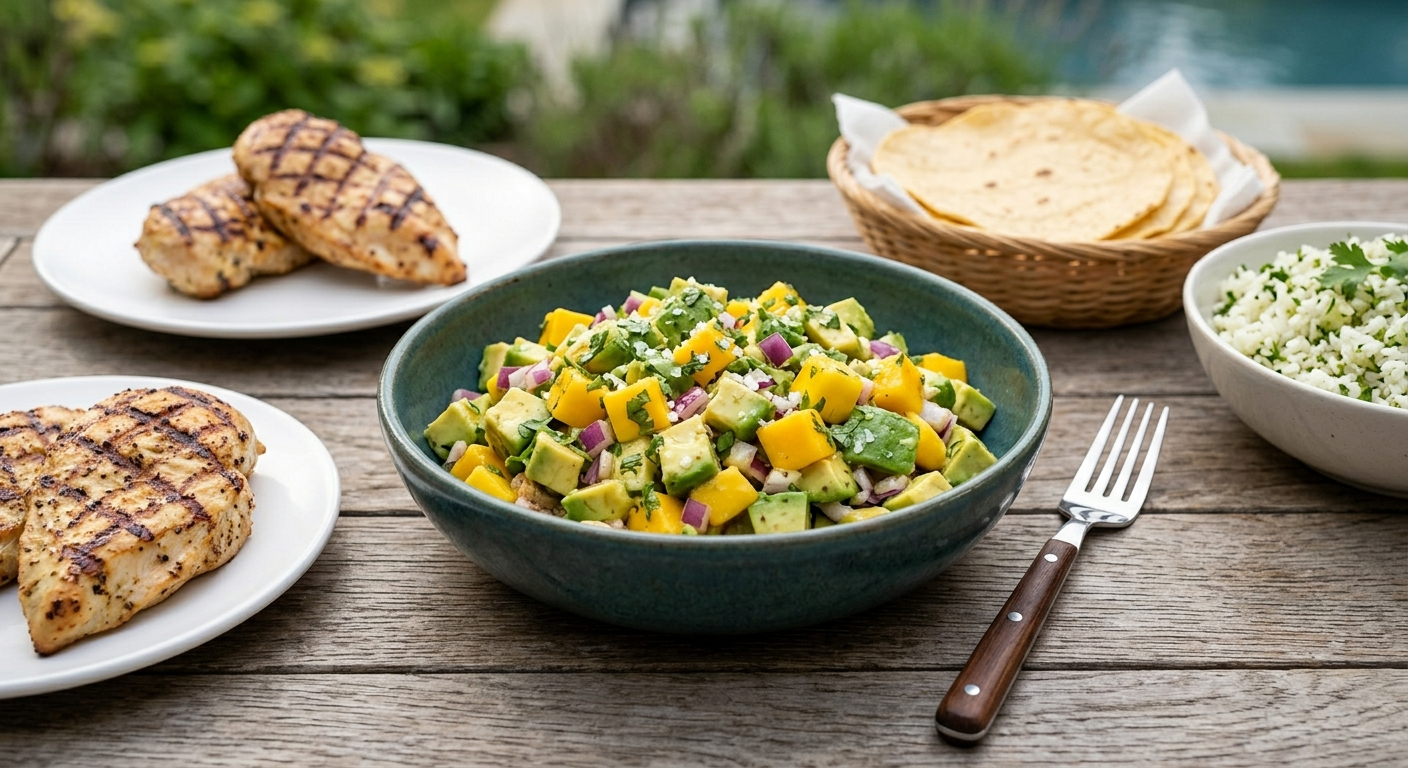
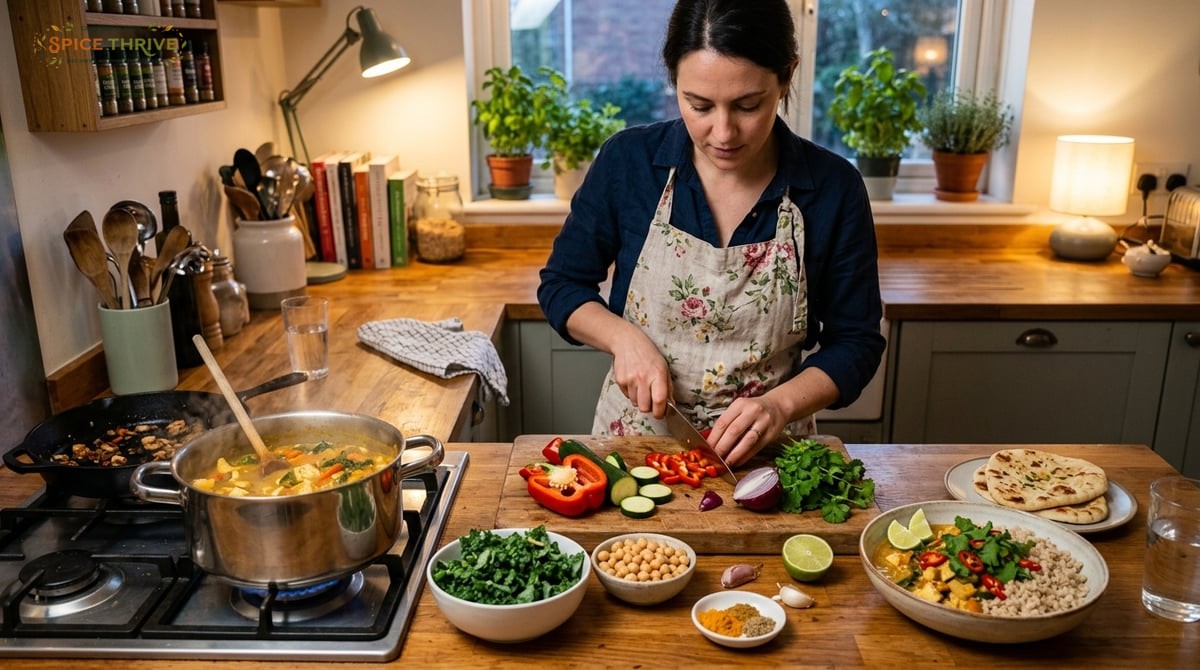
A Real-Life Love for Dairy Free Dinner Recipes
Years ago, after a long winter of battling stomach upsets, my doctor suggested I try cutting out dairy. That first week was tough – cheese and cream were in everything I loved. But what surprised me was how quickly my kitchen transformed into a playground for new flavors. Spices took the spotlight, coconut milk made things rich without the heaviness, and traditional Asian, Middle Eastern, and Mediterranean recipes opened up meals even my picky eaters adored. I started out skeptical—picturing thin sauces and flavorless pastas—but was amazed at how texture and depth showed up when I learned to use toasted spices, browned aromatics, and tangy dressings instead of just cheese. These dinners come straight from my table, tested and tweaked over months (sometimes years) of weeknights. My kids now request chickpea curry or smoky roasted eggplant as eagerly as old favorites. Whether you are dairy-free by necessity or choice, you will find rich flavor and real satisfaction here – proof you truly do not need dairy for a crave-worthy dinner. And yes, I took every photo in my own kitchen, spills and all.
Why These Dairy Free Dinner Recipes Work (And Why You’ll Love Them)
- Tested at home: Every recipe here has been made (and remade) multiple times in my kitchen. The instructions are designed for easy weeknight navigation, not professional chefs. Each step is written for real distractions, real home equipment, and realistic time frames. You’ll see notes for when to multitask (chop veg while onions sauté), and straightforward cues (like when spices should start to smell toasty).
- Restaurant flavor, no specialty ingredients: From creamy Thai curries to crispy baked tofu and hearty stews, bold taste comes from pantry spices and accessible swaps, not substitutes that taste like cardboard. Forget searching for “dairy free cheese” in specialty stores: here, flavor gets built from layering spices, caramelizing vegetables for sweetness, and finishing dishes with things like toasted seeds or bright herbs.
- Inclusive and flexible: Most recipes can be made gluten free, nut free, or vegan. Ingredient swaps are tested and detailed for you. For example, when nut butters are called for, I’ll show you how to use sunflower butter instead. You’ll find notes for legume swaps (beyond chickpeas: try lentils, white beans, or cubes of sweet potato) and tips for making everything work for your preferences.
- Hands-on, photo-guided: I share in-process photos of real, slightly messy, home cooking—not retouched stock shots. When a sauce is thick enough, you will see it. There are step-by-step visual guides for trickier parts, so you’ll know what browned aromatics should look and smell like, or exactly how creamy the coconut broth should get before adding greens.
- Sensory, craveable eats: Think golden tamari chicken, silky coconut dal, and deeply roasted veggies with punchy sauces. Dinner is cozy, abundant, and never feels like a compromise. You’ll discover that creamy vegan harissa soups and tahini-drizzled roasted cauliflower deliver flavor and comfort that rivals anything topped with cheese or cream. Even picky eaters or skeptical partners usually reach for seconds.
Essential Ingredients For Dairy Free Dinners (With Swaps)
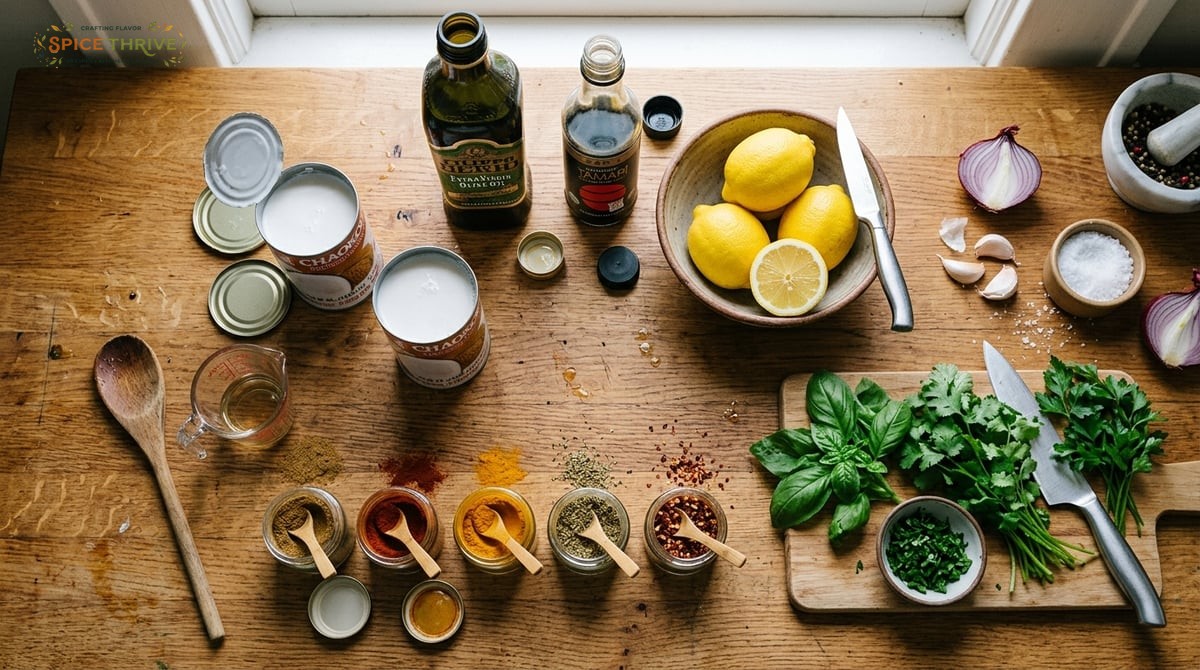
Building up a dairy free pantry can be easier than you think. Here is what I keep stocked, and why each one pulls its weight in dinner.
- Coconut milk/cream (1 cup/240g): Adds rich body to curries, soups, and even some pasta sauces. The high fat content creates luxurious sauces without dairy’s heaviness—think Thai curries and creamy chickpea stews. Sub: Oat or cashew cream for nut-friendliness; these blend into pureed vegetable soups or pasta for a velvety finish. In tomato-based dishes, unsweetened almond milk can provide some creaminess if coconut isn’t preferred.
- Tamari or soy sauce (2 tbsp/30mL): Brings umami, depth, and saltiness, especially in Asian and pan-fried recipes. Sub: Coconut aminos for soy-free. This ingredient is your shortcut to “moreish” flavor in rice bowls, veggie stir fries, and even bean stews. Balsamic or Worcestershire can sometimes stand in for complexity, especially with lentils or roasted mushrooms.
- Olive oil (2 tbsp/28g): The foundation for sautéing and roasting. The type of oil you use can subtly affect the final taste: olive oil adds fruitiness and body, avocado oil works too, especially for high heat. Toasted sesame oil (a teaspoon is plenty) is a finishing secret for Asian-inspired recipes—swirl into noodle broths or drizzle over baked tofu bowls.
- Spices (curry powder, cumin, smoked paprika – 1 tsp/2-3g each): Layer on flavor when cheese can’t do the heavy lifting. I keep a rack of basics (turmeric, coriander, chili) plus a few bold blends from around the globe—Berbere, Za’atar, Garam Masala—and taste as you go. Toasting spices in oil at the start of cooking unlocks their best flavor; sample by sautéing curry powder in olive oil until fragrant, then adding onion.
- Vegetable stock (2 cups/480mL): Builds much-needed savor and body in soups, stews, and sauces. Low sodium gives you more control over seasoning; homemade veggie broth, if you have time, is a fantastic way to deepen flavor. Mushroom broth is an amazing vegan stand-in for recipes that need extra savory oomph, like risottos or gravy.
- Lemon/lime (1, juiced): Freshness wakes up creamy sauces, bean dishes, and stir fries. Even a small amount can bring dull flavors to life. Apple cider vinegar or white wine vinegar works in a pinch—try a splash in lentil stews or tahini dressings for tang.
- Plant-based yogurt (½ cup/120g): Thickens sauces and gives a tangy finish, especially in Middle Eastern and Indian-inspired meals. Soy or coconut varieties usually work best. Unsweetened is key; otherwise your curry could end up tasting like dessert. For a probiotic boost and richness, use a swirl of yogurt as a topping on spicy soups, or spoon it on flatbreads before serving.
Check the recipe cards for cup and gram measurements. Always double-check labels for hidden dairy, especially in broths and sauces. Olive oil sprays and some “healthy” broths occasionally have buttery flavor added, so vigilance is key for strict dairy avoidance.
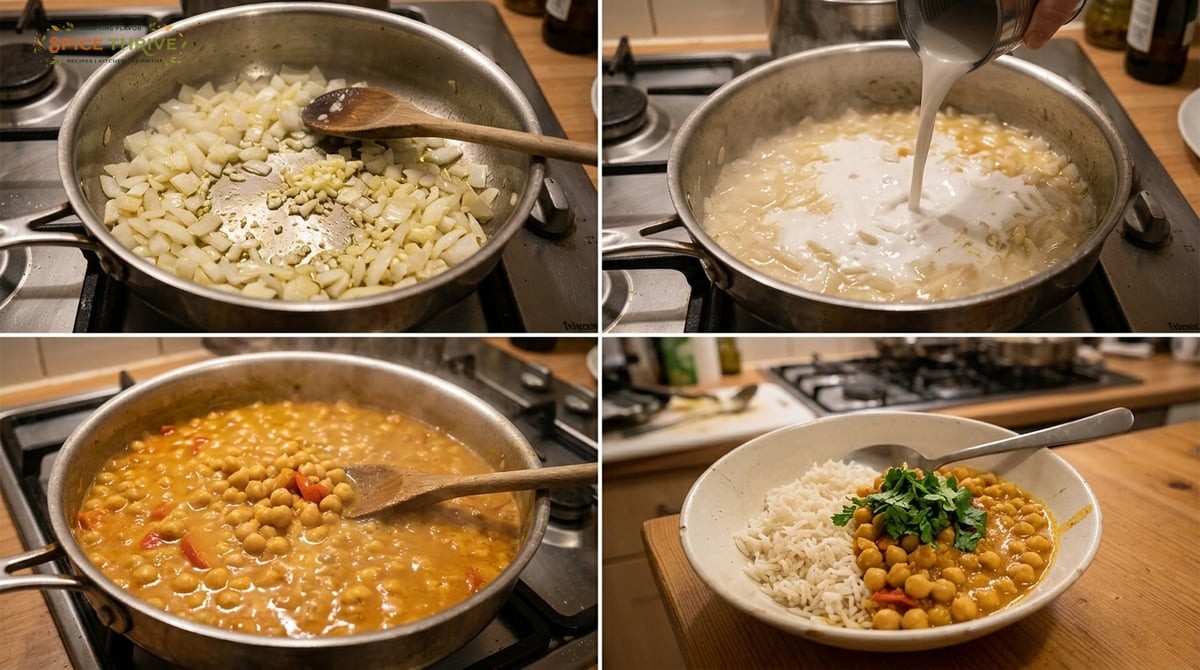
Step By Step: My Favorite Dairy Free Thai Coconut Chickpea Curry
This creamy, satisfying curry has become our family’s weeknight hero. I tested it at least six times to get the sauce just right: creamy but not greasy, and vibrant with fresh lime and ginger. Here’s how I make it, with photos from my own kitchen:
- Sauté aromatics: In a heavy-bottomed pan, heat 2 tbsp (28g) olive oil. Add 1 diced onion, 3 cloves minced garlic, and a thumb-sized piece of ginger, grated. Cook until soft and fragrant, about 4 minutes (aroma should be bright, and onions just turning translucent). For even deeper flavor, throw in a sliced chili or ½ tsp mustard seeds to pop in the oil.
- Spices and tomato paste: Add 2 tsp (5g) curry powder and 1 tbsp (18g) tomato paste. Stir for 1 minute until fragrant and the tomato paste darkens slightly. Don’t rush this step—the spices should sizzle and color the oil. If you love extra complexity, stir in ½ tsp ground coriander or cumin at this stage for spiced undertones.
- Deglaze and simmer: Pour in 1 can (400mL) coconut milk, 1 can (400g) drained chickpeas, and 1 cup (240mL) vegetable stock. Scrape any bits off the pan. Bring to a gentle simmer for 12–15 minutes, stirring. The sauce should thicken and coat the back of a spoon. For chunkier curry, mash just a few chickpeas into the sauce using the back of a spoon. You can also add ½ cup diced bell pepper or zucchini for more color and texture at this stage.
- Finish: Squeeze in juice of 1 lime and salt to taste. Fold in 2 cups (60g) fresh spinach until wilted. Serve with cooked jasmine rice, scattered with cilantro. For an even more satisfying meal, top with toasted pumpkin seeds (pepitas) or a handful of roasted cashews, and a spoonful of plant-based yogurt for creaminess.
Tip: If you want more heat, stir in chili flakes with the spices. For a richer finish, add a swirl of plant-based yogurt at the end. Reheat leftovers by gently warming on the stove with a splash of water; the curry becomes even tastier the next day as flavors mingle.
Troubleshooting & Pro Tips From My Kitchen
- Sauce too thin? Simmer with the lid off for a few extra minutes or mash a few chickpeas to thicken naturally. You can also dissolve 1 tsp arrowroot powder in a little cold water and stir in right at the end for a gentle thickener.
- Blandness: Sometimes, skipping dairy can make dishes fall flat. I learned to layer acidity (lime, vinegar) and adjust salt at the end. Don’t forget your spices: if your curry tastes bland, try a pinch of extra curry powder or a splash of soy sauce. Toasted nuts or a sprinkle of fresh herbs can uplift the flavors quickly before serving. Do not be afraid to taste obsessively as you go.
- Splitting sauce: If using low-fat coconut milk, the sauce can separate. A teaspoon of cornstarch slurry (mix cornstarch with cold water before adding) will bring it back together smoothly. Whisk well while reheating, and you’ll get a creamy, unified sauce.
- Ingredient swaps: The first few times, I tried spinach and kale—spinach wilts quickly and blends in, but kale needs a couple extra minutes. Sub cauliflower for chickpeas for a lower-carb version; it works, just roast first for best texture. Roasted sweet potato, butternut squash, or canned white beans are also fantastic alternatives for heartiness.
- Personal miss: My first try was almost sour from too much lime. Add citrus slowly and always taste before serving. Another learning moment: check your curry powder’s spice level—some blends are much hotter than others! Start with less and adjust up as you taste.
Variations and Dietary Swaps (For All Preferences)
- Make it nut free: Use coconut cream instead of cashew cream. Double-check spice blends and stocks for hidden allergens. Sunflower seed butter is an excellent substitution in sauces that call for nut butter, especially for satay and dressings.
- Gluten free: Swap tamari for soy sauce and ensure your stock, tomato paste, and curry blend are gluten free. Serve curries with rice, quinoa, or gluten free flatbreads. For pasta-based dishes, use lentil- or chickpea-based noodles for extra protein and no gluten.
- Vegan/vegetarian: All recipes here are vegetarian friendly; for extra protein, add baked tofu, lentils, or seared tempeh. Crumbled tofu or cooked green peas can also bulk up curry bowls without deviating from the recipe’s flavor profile.
- Low carb: Replace chickpeas with roasted cauliflower, and serve over riced cauliflower instead of jasmine rice. Zucchini noodles or spiralized veggies are great for curries, too—just add at the end to keep them crisp-tender. Replacing potatoes with chunks of rutabaga or turnip delivers body with fewer carbs.
- Kids or spice sensitive: Start with half the curry powder or omit chili flakes, then serve hot sauce on the side for the heat-lovers. For family-style meals, I’ll often scoop out a portion for the kids before stirring hot spices into the rest of the pot. Sweeten with a pinch of sugar or drizzle of maple syrup to balance acidity if needed—especially helpful for children’s palates.
Don’t be afraid to use what you have – these dinner recipes are designed to be forgiving and encourage experimentation. The basic coconut curry technique works with almost any vegetable or plant protein you have on hand (try leftover roasted carrots or green beans). For more dairy free meal inspiration, see our Asian dinner recipes and vegetarian dinner recipes collections. Your fridge and pantry are your best guides for customizing every meal!
Storage, Reheating, & Make Ahead Tips
- Fridge: Store leftovers in an airtight container for up to 4 days. Curries and stews tend to develop even deeper flavor overnight. If storing with rice, keep it in a separate container to prevent sogginess. Leafy greens may lose their texture after a day; add extra fresh spinach just before serving if you like.
- Reheating: Gently reheat on the stovetop over low heat, stirring frequently. If the sauce thickens too much, stir in a splash of water or coconut milk. You can also reheat individual servings in the microwave at 70% power, stirring midway for even heat. If serving company, reheat slowly for the best texture and flavor.
- Freezer: Dairy free curries freeze beautifully. Let cool completely, then transfer to a freezer container for up to 3 months. Thaw overnight in the fridge, then reheat gently and stir well. Portion into single servings for quicker lunches or emergency dinners. Potato- or pasta-based dishes may lose texture when frozen, but bean stews and coconut curries hold up well.
- Make ahead: You can make most sauces, stews, or curries a day in advance. For recipes with leafy greens, stir in fresh just before serving so they do not get slimy. Chopped garnishes (herbs, nuts, lime wedges) can be prepped and stored in a separate airtight container to save time. Naan or gluten free flatbreads can be made ahead and warmed alongside reheated curries for a complete meal.
Label your containers with the date, and keep rice or grains separate if freezing for best texture. If making for a gathering, double the batch—these dishes improve with time and are perfect for sharing or meal prepping during busy weeks.
Ready to Bring More Dairy Free Flavor to Your Table?
If you try these dairy free dinner recipes, I’d love to see what you create! Tag @SpiceThrive on Instagram with your results, or share your own swaps and tips in the comments. This community thrives on sharing new finds—your favorite spice blend or a successful swap can inspire others. For more kitchen-tested weeknight inspiration, check out our Easy Dinner Recipes hub. Cooking without dairy opens up a whole world of exciting, flavor-packed dishes – let’s make every dinner nourishing and bold, together! Weeknight meals can be deeply comforting, creative, and crowd-pleasing—all without dairy. I can’t wait to see what flavors land on your table next.
Original post: June 2023. Retested and photos updated May 2024 by Jamie at Spice Thrive, lifelong home cook and enthusiastic dairy free dinner fan.
Common Questions About Dairy Free Dinner Recipes
What are the best dairy substitutes for creamy sauces?
Coconut milk or cream is my favorite, but unsweetened oat or soy cream also work well for most savory sauces. Pureed white beans or potatoes can add silky body if you need nut and coconut free options. For pasta, try blending cooked cauliflower with a splash of olive oil for a quick, creamy base.
Can I use regular yogurt instead of plant-based?
Plant-based yogurt is the best choice for keeping the recipe strictly dairy free. Unsweetened coconut or soy yogurt usually offers the least aftertaste. Always check labels for hidden dairy or added sugar. If you aren’t strictly dairy free, Greek yogurt can work, but for allergy sensitivities, stick to certified plant-based.
Are these recipes freezer friendly?
Most curries, soups, and stews here freeze well. Chilled leftovers go in an airtight container for up to 3 months. Add fresh herbs after reheating for best flavor. If you are freezing dishes with rice or bread, keep them separate to avoid mushiness on thawing.
How can I add more protein to a dairy free dinner?
Toss in baked tofu, seared tempeh, or cooked lentils for an easy protein boost. Grilled chicken, shrimp, or egg can be added if you are not vegetarian or vegan. Canned chickpeas, white beans, and even diced seitan are great for packing in extra protein without changing the flavor profile too much.
Is gluten free always dairy free?
Not always. Gluten free products can sometimes contain dairy or milk powder, so always check the label, especially with premade sauces and stock. Some gluten free breads, crackers, and snacks might have butter or whey, so confirm ingredients every time.
Do I need specialty store-bought cheeses?
No. Most of my recipes do not rely on store-bought dairy free cheeses. Bold seasonings, creamy coconut, and textural toppings (think nuts or seeds) make the meal satisfying without fake cheese. Nutritional yeast can be sprinkled on top for a hint of “cheesy” flavor if you like, but it’s optional and totally natural.
This article was created with the help of AI. Images may also be AI-generated.