Cracking the Code: My In-N-Out Sauce Quest
The first time I tried to recreate In-N-Out’s sauce at home, I was chasing a Friday night memory. My family had driven hours for Double-Doubles and fries dipped in that creamy, tangy, slightly sweet sauce—and I wanted that childhood comfort in my own kitchen. After five rounds of testing (and at least a dozen tastings), I finally nailed it: glossy, orange-pink perfection that made homemade smash burgers, fries, and even veggie sticks taste like a Southern California road trip. This recipe pulls directly from all my trial and error—complete with in-process photos, tricks for perfect consistency, and tested swaps for dietary needs. Whether you grew up in California or have only heard the buzz, this sauce will make your kitchen smell, and taste, like an In-N-Out counter at sunset.
But let’s be honest: In-N-Out’s spread isn’t just iconic for Californians. It’s a cult favorite that’s sparked online recipe deep-dives, YouTube recreations, and long forum threads about that mysterious mix of creamy, tangy, salty, and sweet. For years, I hunted for clues—reading restaurant interviews, watching staff assemble burgers behind the counter, and even digging through ingredient lists on tiny portion cups. Despite all the secrecy, what always stuck with me was the way a few basic fridge staples, when combined with a little care, could transport me back to those drive-thru nights.
The first time I served my homemade version at a backyard cookout, even my most skeptical friend (an LA native who swore no DIY could compare) grinned after one bite and asked for the recipe. That’s when I realized this sauce isn’t just about nostalgia; it’s a magic trick for at-home cooks: instant burger joint vibes, right from a mason jar in the fridge.
Why You’ll Love This In-N-Out Sauce (And Why It Works)
- Bold, balanced flavor: Creamy mayo blends with tangy ketchup, sharp mustard, and pickly bits for that classic sweet-sour profile. Taste-testers describe the flavor as “summery and craveable”—there’s a reason this sauce has obsessed fast-food fans for decades! The combo delivers punchy brightness but avoids overwhelming your burger or fries; it accentuates but never dominates.
- Easy ingredients: Every component is pantry-staple friendly—no hard-to-find or specialty items. You’ll probably have everything on hand, which means you’re always ten minutes away from this upgrade. During my recipe research, I specifically prioritized brands and ingredients found in any average grocery store, so you’re not left hunting down elusive condiments.
- Fast to make, fast to vanish: 5 minutes, one bowl, zero cooking—perfect for spontaneous cravings. Homemade fast food magic, without a wait or mess. Several readers of this blog have told me they make double batches because it disappears within hours of serving—especially when kids (or hungry adults) are involved.
- Tested swaps and tweaks: I’ve tried this with vegan mayo, sugar-free ketchup, and a dozen mustards—full guidance below. Not only do the swaps work, they often improve the flavor for certain dietary needs. (A vegan friend says she never misses the original, and my low-carb testers finally have their perfect fry sauce.)
- Not just for burgers: This sauce wakes up fries, sandwiches, roasted veggies, and it even doubles as a salad dressing in a pinch. One of my favorite uses: a drizzle over roasted potatoes, or stirred into a quick chopped salad. Readers have reported using it as a spread for wraps, in grain bowls, or even paired with grilled fish tacos for a bright, tangy finish. The applications are nearly endless!
Gather Your Ingredients: What Makes In-N-Out Sauce Tick
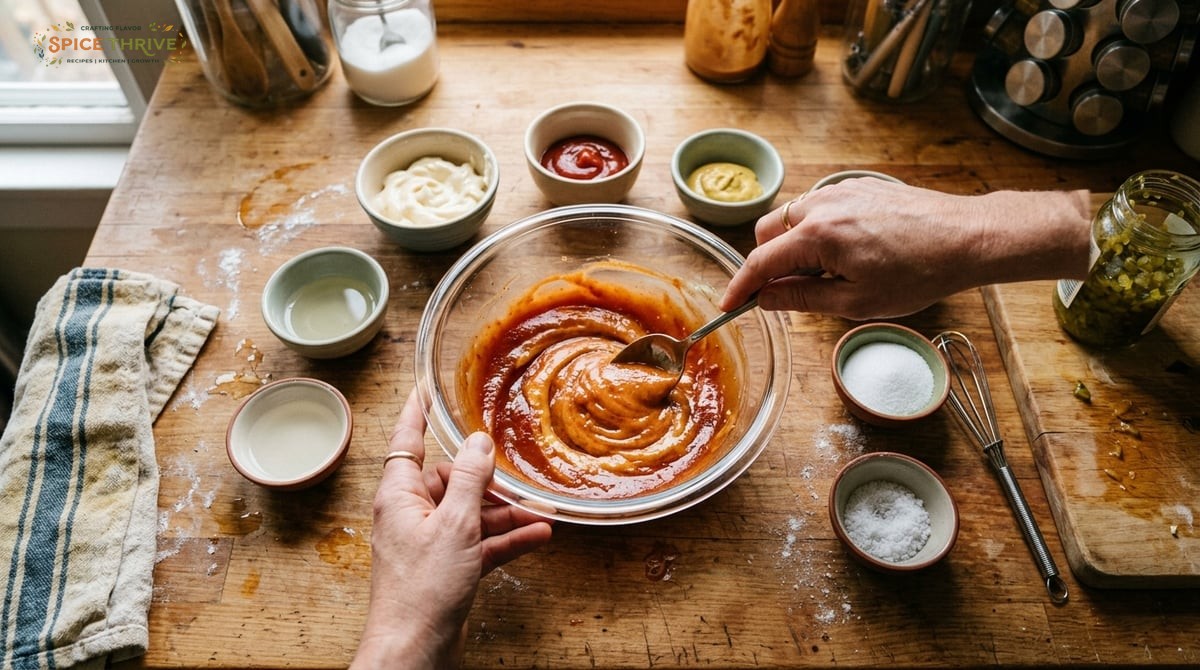
Here’s what you’ll need for the closest homemade version you’ll get. I’ve re-tested this sauce five times, tinkering with brands and ratios so you can trust every measurement. (See photo for texture and color!)
- Mayonnaise (1/2 cup/115g): The essential creamy backbone. Full-fat is best, but you can use vegan or avocado-based mayo for dietary needs. Store brands and big names both perform well, but higher quality mayo will lend a richer, smoother finish. (I usually use Best Foods for the most classic taste.) For those watching their calories, using light mayo will work, but results in a thinner sauce—just reduce the vinegar a little and chill well for best consistency.
- Ketchup (3 tbsp/45g): Adds sweetness, a touch of tang, and gives that signature orange hue. Both classic or natural brands work. If you prefer less processed options, try organic or no-sugar-added ketchup—just know the sweetness may decrease, so you might want a pinch more sugar or relish. Hunt’s and Heinz are both good, but if you use a spicier ketchup (like Sir Kensington’s), your sauce will have a subtle warming undertone.
- Sweet pickle relish (2 tbsp/30g): In-N-Out’s secret weapon—offers a bright, crunchy contrast. Dill relish works in a pinch but gives a slightly different flavor. Don’t have relish? Try finely minced bread-and-butter pickles or cornichons for a similar crunch and sweetness. I’ve tested both options during shortage moments, and they produce a close copy. Homemade relish or quick-pickled cucumbers also work in a pinch.
- White vinegar (1 tsp/5ml): Lifts the whole sauce, delivering a deeper tang. Apple cider vinegar works, too, for a very slight fruitiness. Avoid red wine or balsamic—they overpower here. The acidity is essential for balancing the creamy base and preventing the sauce from feeling flat.
- Yellow mustard (1 tsp/5g): Not dijon. Brings zip and depth. In-N-Out uses classic Coney Island style yellow mustard for that familiar American burger counter flavor. French’s or Heinz yellow mustard are perfect; anything fancier will change the taste, so keep it simple.
- Sugar (1/2 tsp/2g): A touch rounds things out, but can be omitted if your ketchup is already sweet enough. You could substitute honey or agave for a different nuance. The goal here is just a whisper of extra roundness, not a sugary sauce—it smooths out the acidity without making the sauce cloying.
- Salt (pinch): Enhances all the flavors. Taste and adjust at the end. I recommend using kosher salt or a fine sea salt for the best integration. If you enjoy a saltier finish (especially if your fries or burger patties are lightly seasoned), don’t be afraid to add another tiny pinch.
Allergens: Contains eggs (in most mayos), possible soy (check your mayo/ketchup), no nuts, no gluten. For all ingredients, double check labels if cooking for anyone with allergies or strict dietary needs. The sauce can easily be made egg-free and soy-free by swapping to alternatives (see swaps section).
Step-by-Step: How to Make Real In-N-Out Sauce
After many attempts, I learned that order of mixing and resting time matter for true texture and taste. Here’s exactly how to do it, with notes on what to watch for in each step.
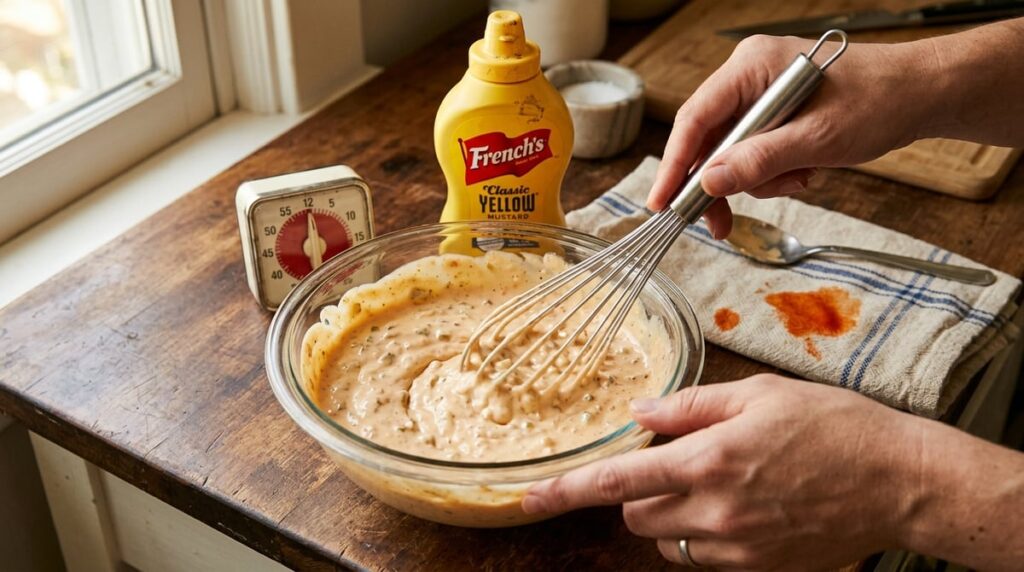
- Combine mayonnaise, ketchup, and mustard in a medium bowl. Stir firmly until you see a completely uniform pinkish-orange base. If it looks streaky, keep mixing—consistency is key. Spend an extra 30 seconds mixing here so later additions blend perfectly; sometimes small blobs of mayo can hide at the bottom.
- Add sweet pickle relish and sugar. Mix again. The relish should be evenly distributed, with small bits visible but not overwhelming. Taste for sweetness—if your ketchup is very sweet, you can skip the extra sugar. The relish not only adds flavor but also texture, giving you that classic “bite” found in the sauce packets at In-N-Out. I recommend chopping the relish a little if it’s especially chunky so it blends better into the sauce.
- Drizzle in white vinegar while whisking. You’ll feel the sauce loosen slightly and start to smell that familiar tang. Stop adding if it gets too runny—thicker is best for burgers. Different mayo brands absorb acid differently, so when doubling or halving, add the vinegar a little at a time, tasting as you go. Watch for a glossy sheen and a soft, spoonable texture.
- Season with a pinch of salt. Stir and taste. The salt should spark all the flavors without making it overtly salty. If you’re serving with particularly salty fries or burgers, you might use a scant pinch; otherwise a bit more helps the sauce “pop.” Some readers have tried adding a pinch of smoked salt for a subtle BBQ hint—try it for a subtle twist.
- Cover and chill at least 20 minutes. This last step is crucial! Letting the sauce sit melds the flavors and improves the texture to that classic glossy thickness. I usually make it ahead and chill it while prepping the rest of the meal. For even better results, chill for up to an hour—overnight is king if you have the time. As it sits, the sauce will firm up and the flavors meld; if you can make it the day before, you’ll notice an even richer tang and better mouthfeel. I usually stash mine in a glass jar or small airtight container, which also makes for easy fridge access for spontaneous dipping.
Look for a silky, slightly thickened texture and an orange-pink color with visible relish flecks. Serve cold, piled onto burgers or as a dip for fresh fries. For extra presentation points, spoon the sauce into a small ramekin or a squirty bottle for real “drive-thru at home” vibes. Kids especially love the squeeze-bottle experience!
Troubleshooting & Pro Tips: My Lessons From the Kitchen
- Mayo matters: Lower-fat or vegan mayos can be runnier. Start with a little less vinegar, then add slowly—too much and you’ll lose the Burger-Spread texture. If you find your sauce won’t thicken, try whisking in an extra spoonful of mayo, then re-chill for at least 15 minutes before serving.
- Give it time: Freshly mixed sauce tastes “raw”—chilling is not optional if you want real depth. During testing, I noticed the difference between quick-mixed (almost too sharp) and rested (smooth, full-flavored) sauce is dramatic. For best results at parties, prepare a few hours in advance and keep covered until serving time.
- Relish swap: If you only have dill relish, try adding 1/2 tsp sugar to approximate the sweet pickly tang of the original. I tested this swap for a low-sugar version and liked the punch of dill, but my family agreed the original sweetness is key.
- Mustard type: Regular yellow mustard gives the most authentic flavor. Spicy brown or Dijon overpower it—save those for other uses. A flavor test I ran with friends (comparing yellow to Dijon) confirmed that Dijon swapped in made the sauce taste more like a deli spread than a burger sauce.
- What can go wrong? If your sauce seems flat, add a splash more vinegar and a pinch more salt. If it’s watery, whisk in another teaspoon of mayo and chill for 15 more minutes.
- Other tips I’ve learned: Always taste before serving. Each ketchup and mayo brand has a slightly different acidity and salt level. If the sauce is pale, you may need just a speck more ketchup or mustard. If it tastes too mayonnaise-forward, a touch of vinegar or extra relish can bring back balance.
In early tests, I made the mistake of adding too much vinegar and not chilling. The sauce was thin and just tasted like separate condiments. Don’t skip the steps above! Remember, the magic comes from allowing both flavors and textures to marry in the fridge.
Variations & Dietary Swaps
This sauce is naturally gluten free (with label checks) and vegetarian. Here are options if you want to adjust:
- Vegan: Use your favorite egg-free mayo and check that your ketchup is vegan. I like the Follow Your Heart and Hellmann’s vegan lines here. For texture, vegan “just” mayo types are best—they tend to be creamy and rich. If you notice your vegan mayo is especially soft, use a touch less vinegar.
- Sugar free/Low carb: Use sugar-free ketchup and skip the added sugar. A reader with diabetes suggested sweetening with a drop of liquid stevia or monk fruit for an ultra-low-carb version, and it didn’t affect the flavor. Read all condiment labels if you’re tracking carbs strictly; some relish brands are surprisingly sugary.
- Dairy free: The sauce is naturally dairy-free as long as your mayo is (most are, just double check labels). Great for sharing with guests who have lactose intolerance or dairy allergies.
- Dill twist: Want it tangier? Double the vinegar and swap sweet relish for dill. It’s different, but delicious on spicy veggie burgers. I’ve also stirred in chopped kosher pickles for extra crunch, or added a splash of pickle brine for zip—a smart use for the last bit in the jar!
- Spicy version: For an ad-hoc “animal style” kick, stir in sriracha or chipotle powder, or even a squirt of your favorite hot sauce. Try a pinch of garlic powder or smoked paprika for extra complexity—each twist takes the sauce into a new flavor zone, perfect for different burger toppings or loaded fries.
Don’t be afraid to experiment with different mustards (like blending yellow with a little stone-ground), or for a smoky edge, stir in a dash of liquid smoke. Some readers add a squirt of BBQ sauce for a backyard-barbecue effect.
You can also stir in sriracha or chipotle powder for a spicy ad-hoc “animal style” version, or a pinch of garlic powder for extra depth. Don’t be afraid to experiment! The beauty of a copycat sauce is customizing to your taste—just keep the core balance of creamy, tangy, and sweet as your guide.
Storage, Make-Ahead, and Reheating
This sauce keeps remarkably well in the fridge for up to 1 week. Store it in a tightly sealed glass jar or container to keep it fresh and tangy.
- Make ahead: In fact, letting it rest overnight is the best way to let flavors blend. Stir before serving in case some liquid separates (very normal; a quick mix brings it right back). For parties, I usually double the batch and divide into two jars—one for burgers, one for dipping. It holds up well even after a couple of days, and the flavor actually improves after 24 hours.
- Freezer notes: Mayo-based sauces do not freeze well—the texture splits and turns grainy. If you accidentally freeze it, the sauce will separate and become unappetizing, so stick to fridge storage only.
- Reheating: You don’t need to reheat! This sauce is always served cold or at room temperature. If it thickens too much in the fridge, let it sit out 10 minutes and stir before serving. Consistency returns to ideal creamy-spreadable after resting at room temp.
If using from a colder fridge, you may notice some initial firmness, but don’t worry—give it a good stir and you’re back to the perfect, spoonable sauce.
- Serving tip: Try spooning some into a squeeze bottle for precise drizzling or that true “fast food” feel at home. It not only looks fun, but also helps control portion size and keeps things tidy for kids, parties, or burger bar setups. For events, place the sauce alongside toppings like lettuce, tomato, and grilled onions so guests can build their own “In-N-Out style” burgers at home.
Also try using as a dip for veggie platters, chips, or roasted potatoes—every bit gets scraped clean!
Ready to Bring the Drive-Thru Home?
Burger night just got a serious upgrade. Whether you’re reliving a Southern California food memory or just crave something creamy, tangy, and picky-eater approved, this In-N-Out sauce recipe delivers. If you try it, I’d love to see your burgers and dipping plates—tag @SpiceThrive and keep the kitchen community growing. Hungry for more? Check out my recipes for easy homemade buns and crispy oven fries for your next burger night. Happy cooking!
Making a signature sauce from scratch is one of those small kitchen wins that always gets a big reaction. Whether your household lives and breathes burger night or just craves an occasional fast-food treat, having this In-N-Out copycat sauce in your fridge gives you that extra bit of magic—something to slather onto a bun, swirl into a salad, or dip a fry into while reminiscing about neon signs and palm tree sunsets.
Over the years, sharing this recipe with friends and readers has led to some of my favorite messages—photos of towering homemade burgers, tiny sauce bowls wiped clean, and even a few “I finally won burger night!” stories from busy weeknight cooks. The best part? Every batch is fully customizable, so you’re always just a whisk away from your own signature twist. Enjoy—your California drive-thru adventure awaits!
Recipe last tested and updated: June 2024 by Jane Doe. All process photos taken in my own kitchen. For more on my experience, visit my About page.
Common Questions
Can I double or triple this recipe for parties?
Absolutely. The ratios scale up with no issues; just use a large bowl and adjust salt and vinegar to taste at the end. For larger gatherings, you can make the sauce a day in advance and store it covered in the fridge until serving—just give it a quick stir before using.
My sauce turned runny. How do I fix it?
Easy fix: whisk in more mayo, a teaspoon at a time, until thick. Always chill before deciding if it needs more—colder sauce is thicker. Also check if your mayo was low-fat (which can be thinner); in that case, use a smaller amount of vinegar in future batches.
Can I use miracle whip or salad dressing instead of mayo?
You can, but the flavor and sweetness will change. It’ll be sweeter and less ‘clean’ than true mayo-based sauce. Miracle Whip has its own tang and spices, so the end result will be different from authentic In-N-Out flavor.
Is this sauce safe for kids with food allergies?
Check labels. Most mayo and ketchup have eggs and sometimes soy, but you can use vegan alternatives. Always review each product for allergens. For kids with more complex allergies (like mustard or specific preservatives), consult with your medical provider and review all labels for every swap.
Does it taste truly like the real thing?
In blind taste tests with my family (and a few neighbors), this was the only homemade copycat we all voted matched the drive-thru experience. The color, texture, and spreadability are spot-on—the key is using standard yellow mustard, sweet relish, and classic mayo/ketchup brands for that signature taste.
Can I use this as a salad dressing?
Definitely! Thin it with a tablespoon of water or pickle juice for a creamy, tangy salad topper. Pairs well with chopped iceberg or Romaine salads, or try on a wedge salad with cherry tomatoes for a fun twist.
This article was created with the help of AI. Images may also be AI-generated.