Soup in a Flash: My Instant Pot Love Story
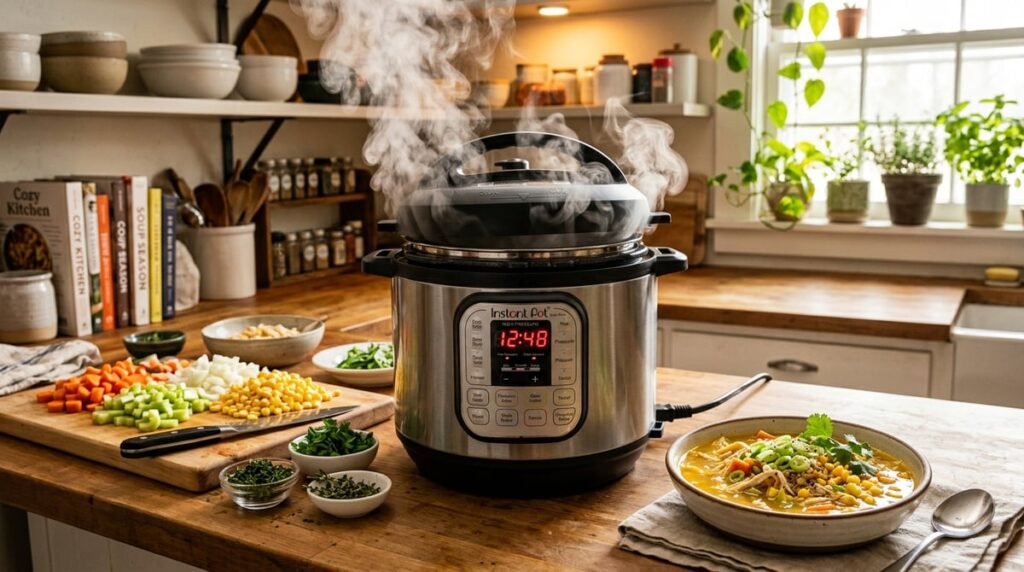
I’ll never forget the snowy evening my neighbor Qing gifted me a bowl of her fragrant Chinese chicken corn soup—steaming hot, rich with tender chicken and sweet bursts of corn—made fast in her Instant Pot. Since then, my love for quick, soul-warming soups has only grown (and my Instant Pot is never far from reach). Over dozens of batches—some grand, some total flops—I’ve learned the joys (and quirks) of pressure-cooked soup. Here, I’ll share the coziest, most flavorful Instant Pot soup recipes I make all winter and into spring. These are the recipes that survived my kitchen tests and now warm my family’s table. Let’s get simmering!
Why You’ll Love These Instant Pot Soups
- Saves Time Without Losing Flavor: The Instant Pot transforms tough cuts (like beef shank or dried beans) into fork-tender, rich results in a fraction of the stove-top time. For example, a beef soup that would need three hours of simmering on the stove can be done in less than an hour, making weeknight comfort possible even with a packed schedule. The sealed vessel keeps flavors concentrated—you get deep, developed broth faster and with less fuss. I clocked my last batch of tomato white bean soup at 30 minutes from pantry to table.
- Global Inspiration: I love soups from every corner of the globe, and these Instant Pot recipes include everything from smoky Mexican bean stew to classic Chinese egg drop soup and an Italian-inspired minestrone. My family’s favorites also include fragrant Thai-style coconut vegetable soup and spicy Moroccan lentil stew. Each soup spotlights an unexpected ingredient or technique—like using fish sauce for umami or smoked paprika for Spanish warmth—shortening the journey from a Tuesday night to a culinary adventure.
- Tested and Optimized: Each recipe here was cooked at least twice in my own kitchen. The first time, I botched the cook on the chicken (rubbery, ugh)—the second, I swapped thighs for breast and pressure time for natural release. The difference was magic. I also adjusted liquid ratios, salt levels, and pressure cook times for each type of broth or protein. My beef barley soup tested nine ingredient tweaks—until I found the combination that delivered both tender meat and grains with just the right bite.
- Flexible and Forgiving: Missed a veggie or want to use up leftovers? I’ll include tested swaps for nearly every ingredient, so you can make your soup with what you have on hand, not just what’s on a shopping list. For instance, forgotten celery can be swapped for a diced fennel bulb or extra carrot. I’ve subbed white beans for chickpeas and tossed in the stray handful of kale, spinach, or even frozen edamame near the end. This flexibility makes weeknight cooking stress-free and ensures your veggies never go to waste.
- Make, Freeze, Reheat with Ease: These soups all hold up beautifully for meal prep. I’ll show you how I store, thaw, and revive each batch for weekday lunches and dinners (and the mistakes I made along the way). For example, portioning into wide, stackable containers lets you defrost just what you need—and a splash of hot water during reheating helps restore creamy textures without overcooking the vegetables or proteins. My freezer is now stocked with single-serve containers ready to go for quick lunches or a hearty dinner when time is tight.
Everyday Ingredients, Big Flavors: What You’ll Need
- Protein: Chicken thighs (1 lb/450g), beef shank (1 lb/450g), or firm tofu (14oz/400g) for vegetarian recipes. Swap: Any boneless protein or beans work—see recipe notes! For instance, I’ve reliably swapped in turkey breast after Thanksgiving, or shredded pork shoulder from leftover pulled pork night. Lentils or canned beans stand in as a plant-based, hearty alternative, absorbing flavor beautifully in the pressure cooker.
- Aromatics: Onion (1, diced—150g), garlic (4 cloves, minced—20g), ginger (1-inch piece—15g), carrots (2, sliced—120g), celery (2 stalks—90g). Why: Adds depth, sweetness, and warmth to any base. Try trading in the ginger for a dash of fennel seed in Mediterranean soups, or tossing in a shallot for extra sweetness in Asian recipes.
- Broth: Chicken, beef, or veggie stock (6 cups/1.4L). Tip: Homemade or low sodium works; water can substitute with extra seasoning. If you have leftover roasted bones, simmer them for a quick broth before pressure cooking—this yields a richer, more nourishing soup, and lets you customize sodium and spice levels.
- Veggies: Corn (1 cup/150g), spinach (2 cups/60g), tomatoes (2, diced—220g), potato (1 medium—200g), bell pepper (1—120g). Seasonal tip: Frozen veggies are fine! In summer I use zucchini and green beans; in winter, sweet potato and canned tomatoes step in. Peas, green beans, shredded cabbage, or celery root add bulk and nutrition—toss in what you have.
- Spices & Seasonings: Soy sauce, cumin, Italian herbs, chili flakes, white pepper (to taste). Each brings distinct flair—customize for your dish’s region. Smoked paprika, curry powder, or garam masala let you create dozens of variations without changing the technique. Experiment with a teaspoon of sesame oil or a pinch of cinnamon for unexpected depth in Asian or Middle Eastern recipes.
- Finishing Touches: Lime, cilantro, green onions, sesame oil, croutons, or grated cheese, added at serving. Even a drizzle of good olive oil or a swirl of Greek yogurt can take your finished soup up a level. For crunch, try roasted pepitas or crispy shallots on top. I change these up depending on what’s in my fridge or pantry for a fresh presentation each time.
For exact soup-by-soup ingredient lists and tested swaps, see each recipe below! I also provide proportion adjustments for small or large batches, with tips on flavor balancing if you swap an ingredient—so you get consistent, vibrant results every time.
Step by Step: Instant Pot Chicken Corn Soup (With Real Photos!)
This classic reminds me of Qing’s comforting winter bowls. Here’s how I make it, every time:
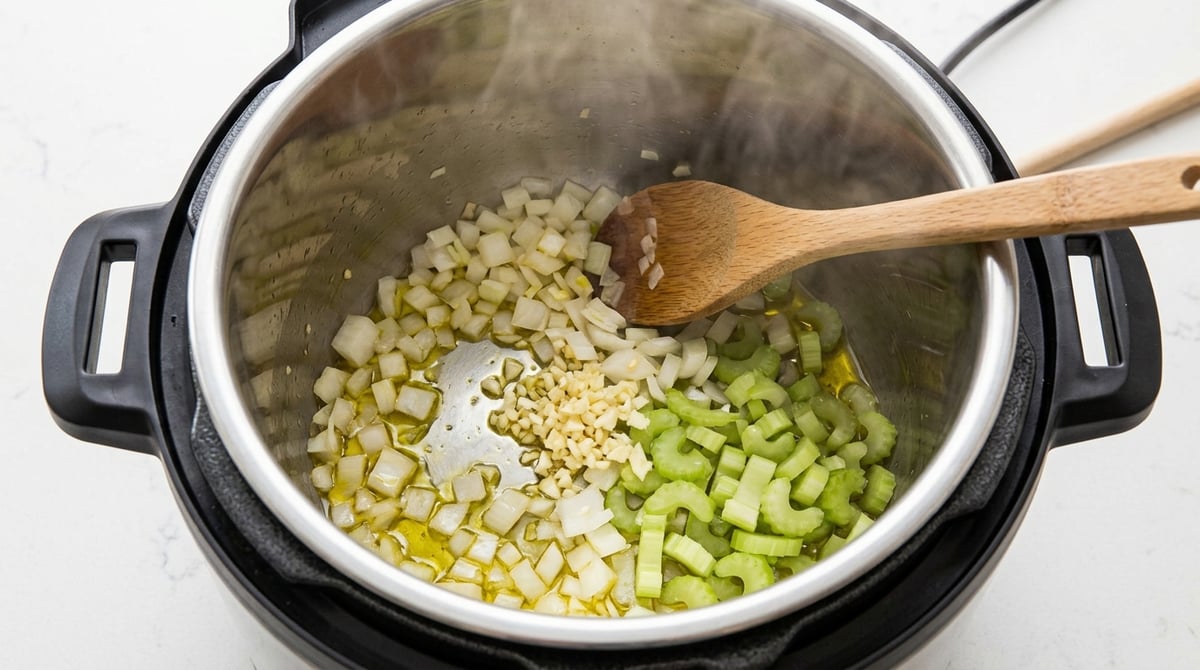
- Sauté Aromatics: Set Instant Pot to Sauté. Add oil, onion, garlic, and ginger. Stir until onions begin to soften and the kitchen smells irresistible (about 3 minutes). The aim here isn’t just softening, but unlocking sweetness—the garlic should color slightly but never burn. If you’re feeling bold, toss in a star anise for gentle warmth, especially for an Asian-leaning broth.
- Add Chicken and Veggies: Drop in chicken thighs and a pinch of salt. Let them brown lightly, then scatter in carrots and half the corn. Sauté for another 2 minutes—veggies should just begin to soften. Browning the protein isn’t strictly necessary, but I promise it makes for deeper broth and more complex flavor. I often sneak in a handful of diced celery or even a splash of soy sauce at this stage to create background umami notes.
- Pour in Broth: Add chicken broth. Stir up any golden bits from the bottom of the pot (that’s pure flavor). Take a beat here—deglazing ensures nothing sticks and that every browned bit dissolves into the liquid, which makes the broth taste like it simmered for hours.
- Pressure Cook: Lock the lid, set to Manual for 10 minutes. Quick release if rushed, but I prefer natural release for the juiciest chicken. The natural release not only prevents splatter but lets the flavors gently infuse. At this stage, I sometimes add a dried shiitake mushroom or a splash of Chinese cooking wine for a flavor boost reminiscent of restaurant-style soup.
- Shred & Thicken: Open the pot. Remove chicken, shred it with two forks (it should fall apart easily). Return to the pot with remaining corn and whisk in 2 eggs (optional, for silkier texture). Stir until the soup thickens slightly and looks glossy. For an extra-silky broth (like the restaurant versions), dissolve a tablespoon of cornstarch in cold water and whisk in with the eggs. The soup becomes glossy and coats the spoon lightly.
- Finish & Serve: Taste, add soy sauce or sesame oil as needed. Ladle into bowls and shower with sliced scallions. The aroma alone will bring everyone to the kitchen! For children, add a handful of rice or small pasta at serving; for adults, a squeeze of lime or scatter of cilantro adds freshness.
I’ve made this at least six times. My first batch was bland and watery—now I layer the corn and split the eggs for perfect richness. Don’t be afraid to experiment with finishing touches: a sprinkle of white pepper, a dash of hot sauce, or even homemade chili crisp. This method has become my go-to for other broths too—seafood, tofu, or leftover roast pork all shine using the same steps, proving the versatility of the method in the Instant Pot.
Pro Tips: Lessons From My Instant Pot Soup Testing
- Browning = Flavor: Sautéing onions, garlic, and protein before pressure cooking makes a huge difference in depth. I used to skip this step and wondered why my soup was flat—don’t! Try this with beef cubes for borscht or minestrone: you’ll notice the broth is more robust and caramel-sweet, even before adding spices. My first lentil soup was bland until I properly browned the carrot and onion—it changed everything.
- Lid Tricks: Keep the sealing ring clean and re-seat it if you smell leaks (learned after a geyser of soup on trial two). Some cooks keep two rings: one for savory soup, one for more neutral flavors. After cooking a spicy chili, a soapy soak and air dry keeps the ring from transferring flavors between dishes—lesson learned after my vanilla yogurt tasted like cumin.
- Naturally Release, Don’t Rush: Chicken stays more tender if you do not use the quick release. For beef or beans, let them sit 10 minutes before venting—the texture will be so much better. Quick releasing can cause foamy soup to splatter—by allowing some cooling before venting, you avoid a kitchen mess and your proteins retain juiciness. I now use this approach even with vegetarian soups so beans or lentils don’t break down into mush.
- Deglaze Thoroughly: After sautéing, scrape up all the browned bits with broth or water before sealing. This prevents “burn” warnings and adds loads of savory flavor. I learned the hard way: on my third batch ever, ignoring brown patches sealed disaster—the Instant Pot flashed Burn and refused to come to pressure. Now a quick scrape guarantees a smooth cook and no wasted ingredients.
- Veggies Last: If you want bright greens (like spinach), stir them in at the end. Pressure cooking can wilt them too much. First time, my spinach was mush—now, spinach goes in after pressure, just to wilt. Peas, fresh herbs, or chopped kale added at the last minute stay vibrant and keep their bite, transforming a basic soup into something visually stunning and full of texture.
Variations and Dietary Swaps: Make These Soups Yours
- Vegetarian/Vegan: Swap chicken for cubes of extra-firm tofu and use veggie broth. Add a can of drained chickpeas for heft. For extra richness, stir in a splash of coconut milk at the end, or blend up some of the cooked beans with broth for creaminess. Even omnivores in my house love these versions, especially with a swirl of chili oil over top.
- Gluten-Free: Omit soy sauce or use tamari or coconut aminos. Double-check your broth labels! Many store-bought broths have hidden gluten, so look for those specifically marked gluten-free if needed. Rice noodles, potato, or quinoa make great additions for gluten-free grains.
- Dairy-Free: These soups are naturally dairy-free unless you add cheese on top. For creamy soups, use coconut milk or blended white beans for body. Plant-based cheeses or nutritional yeast also mimic Parmesan’s depth and work beautifully for finishing vegan Italian-style soups.
- Spicy Kick: Add fresh jalapeño or sriracha, or a pinch of chili flakes at the sauté step. Some nights, I’ll drop in a dried árbol chili or dollop of gochujang for a Korean-inspired heat. The pressure cook cycle melds the flavors deeply—you’ll taste the spice but, if you add it last, you control the heat for sensitive palates.
- Global Twists: Try smoked paprika for a Spanish angle, lemongrass and fish sauce for Thai style, or Italian herbs and a Parmesan rind for a minestrone spin. I once made a “pho-in-a-pot” using star anise, cinnamon, and cloves—served with lime and basil. The template is endlessly adaptable: swap the spices and a few veggies and you have a totally new soup.
Most grain add-ins (rice, noodles) should be cooked separately to avoid mush—ask me about my one disastrous porridge that was supposed to be soup! I now recommend stirring in cooked grains only at the end to maintain their bite. Try rice vermicelli for Asian soups or al dente farro for Italian stews.
Storing, Freezing, and Reheating Instant Pot Soups
- Storing: Cool soup fully before sealing in airtight containers. Keeps up to 4 days in the fridge. I like wide, shallow containers for quick cooling. Dividing into one- or two-serving portions also makes it easier to grab for lunch or dinner without defrosting everything at once.
- Freezing: Soups freeze well but leave 1 inch of headspace for expansion. Freeze up to 3 months. Label containers so future you knows what’s inside! Avoid freezing soups with a lot of potatoes or delicate greens—they may get mushy or discolored. Instead, add those veggies fresh when reheating if possible.
- Thawing: Thaw in the fridge overnight or reheat gently from frozen on the stove or in the Instant Pot (use Sauté then Pressure mode). Soups with beans or pasta might thicken as they sit—thin them with hot water or stock to desired consistency. I avoid microwaving soups from frozen: stovetop gives more even results and revives the original flavors better.
- Reheating: Add a splash of broth or water to loosen as you reheat; flavors often deepen with a day in the fridge. If you plan to freeze, hold off on stir-ins like spinach or pasta until you rewarm—this keeps their color and texture better.
- Make-Ahead: You can pressure cook starters (aromatics + broth + protein), chill, then finish the veggies/special touches whenever serving. Great for meal prep or dinner parties. For example, finish a base minestrone in advance and stir in peas and spinach before serving for a freshly-cooked look and taste that feels like you cooked all day.
Ready for Cozy? Let’s Make Soup Together
Your Instant Pot can turn pantry odds and ends into truly memorable bowls. Once you’ve tried your first batch, let me know how it goes—share photos, swap ideas, or ask questions in the comments. For more deeply flavored, globally inspired soups and stews, explore my other Instant Pot Red-Cooked Beef and Vegetarian Hot and Sour Soup recipes here on Spice Thrive. Happy simmering, friend!
Author: Jess Lin, lifelong home cook & recipe tester. See my bio and more on the About page.
Common Questions About Instant Pot Soup Recipes
Can I double or halve these soup recipes?
Yes! The Instant Pot handles scaled recipes, but do not fill above the max line. Halves work great, but reduce cooking time by a minute or two for small volumes. Be aware that cooking liquids (especially with beans and grains) may foam more in bigger batches, so use the natural release when possible for safety and texture.
How do I prevent the “burn” warning when making soups?
Always deglaze your pot after sautéing by scraping up any browned bits. Use ample liquid, and avoid thick starches on the bottom. If burn warning persists, release pressure, stir, and add more broth. In my testing, starchy add-ins like rice or pasta are best added after pressure cooking to avoid scorching.
Are these soups suitable for kids or picky eaters?
Absolutely. Many soups are mild as-is. For picky eaters, leave spicy elements out and offer toppings on the side (like cheese or herbs). My own kid loves the chicken corn soup as-is. Pureeing vegetables into the broth or using fun pasta shapes can also encourage younger children to dig in. Adjust salt and spicy ingredients to taste.
Can I use frozen ingredients?
Yes, for most vegetables and proteins. Just add a couple extra minutes to your cook time. No need to thaw chicken before pressure cooking! Frozen peas, corn, or mixed vegetables can be tossed in right before you lock the lid, ensuring quick dinners with what’s already in your freezer. For optimal texture, don’t overcook delicate greens—even from frozen.
How can I make my soup thicker?
Whisk in cornstarch slurry (1 tbsp cornstarch + 2 tbsp water) after pressure cooking, or stir in blended beans, potatoes, or egg (like in egg drop soup) for body. Alternatively, remove some cooked veggies or beans, puree, and stir back into the pot for natural thickness. This works especially well for minestrone, bean soups, or chowders.
(function() {
var faders = document.querySelectorAll(‘.fade’);
if (!faders.length) return;
var observer = new IntersectionObserver(function(entries) {
entries.forEach(function(entry) {
if (entry.isIntersecting) {
entry.target.classList.add(‘show’);
observer.unobserve(entry.target);
}
});
}, { threshold: 0.15 });
faders.forEach(function(el) { observer.observe(el); });
})();