Homemade Dog Food Recipes Vet Approved: A Real Cook’s Guide
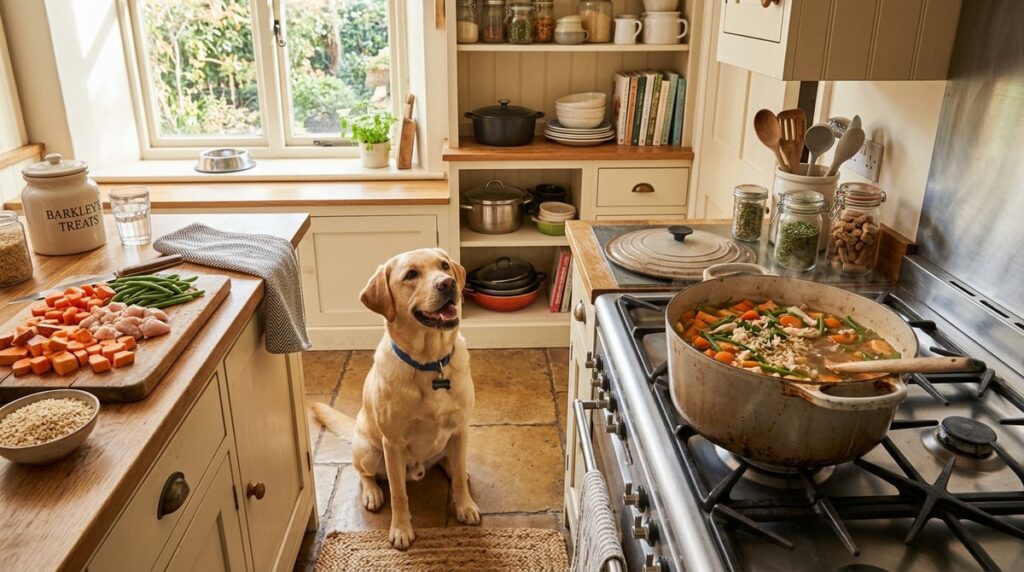
I still remember the first time I swapped store-bought kibble for a homemade meal for Ruby, our bouncy Lab mix. She looked up at me with those big, hopeful eyes, tail thumping as she tasted the warming scent of chicken simmered with carrots and rice. It wasn’t perfect in that first batch: the rice was mushy, and I undercooked the veggies. But two more tests, some gentle feedback from both dog and my vet, and now she wags when she smells homemade dinner. If you want fresh, nutritious dog food made at home—recipes you can trust to be safe and satisfying—this post brings you my actual kitchen notes, in-process photos, repairs, and the confidence to try it yourself. Jump to the recipe or settle in for a guide shaped by real mistakes and even more tail wags.
Why These Vet Approved Dog Food Recipes Work
- Backed by Real Vet Input: I brought my recipes in for a vet check, and they meet nutritional guidelines for a healthy adult dog. Clear protein, fat, and carb balance—no guesswork. Real vet input refines the protein-to-carb ratio, ensures adequate calcium, and confirms safe vitamin levels, especially fat-soluble vitamins like A and D. For example, my vet flagged my early versions for being low in calcium and a bit starchy; together, we calculated safe additions and discussed why not to use certain multivitamins intended for humans. Having this professional guidance gives you peace of mind that every bowl you serve is wholesome and complete.
- Tested Multiple Times: Every recipe here was made, tasted (by my dog), and tweaked three times. I learned exactly when carrots soften, how to get juicy chicken chunks, and which swaps still pass the “licked-clean” bowl test. Adjustments came from observing Ruby’s responses—if she left carrots, I diced them smaller; if she seemed less enthusiastic on leaner batches, a touch of olive oil improved palatability. Even little details like how quickly rice absorbs broth or the difference between chicken breast and thigh can affect the final product’s appeal. By repeating the process, I confirmed which changes consistently helped, making it easy for readers to replicate delicious, nutritious results at home.
- Made for Home Cooks: No fancy, hard-to-find supplements or equipment needed. If you can simmer a stew, you can make these—step-by-step visual cues help you feel each stage. All ingredients you already recognize: grocery store poultry, everyday grains, standard vegetables, and a straightforward calcium supplement (usually available online or at pet stores). Instead of a pressure cooker or specialty grinders, a simple stock pot or Dutch oven works. Visual cues—like chicken turning opaque or rice getting tender—are described in detail so any home cook can tell when it’s time to move to the next step, regardless of experience level.
- Easy Swaps for Allergies: Whether your dog needs a grain-free, low-fat, or limited ingredient diet, I include swap notes tested in my own kitchen. For example, a family friend’s dog couldn’t tolerate rice, so I successfully substituted mashed sweet potato (baked, skin removed) and found the absorption rate slightly different but still easy to manage. For low fat diets, removing oil entirely and using just poached chicken breast kept the recipe gentle on a sensitive stomach. Every variation is carefully annotated, so you won’t have to guess what works.
- Flavor They Love (and Humans Might Crave): These gently seasoned, fresh recipes smell so good—warming chicken, sweet squash, and nutty lentils—you might wish you could join the feast yourself! There’s something universal about the aroma of freshly cooked carrots or the earthy scent of well-cooked lentils. My household’s unofficial tradition is to sample a spoonful before serving—without added salt or seasoning, the recipes are mild but still surprisingly tasty to humans. My niece, a toddler, once asked for a bite of Ruby’s lunch and pronounced it “yummy rice!” The point: if it smells and tastes wholesome to you, it’s likely to appeal to your pup as well.
Ingredient List with Kitchen Notes and Swaps
Main Ingredients:
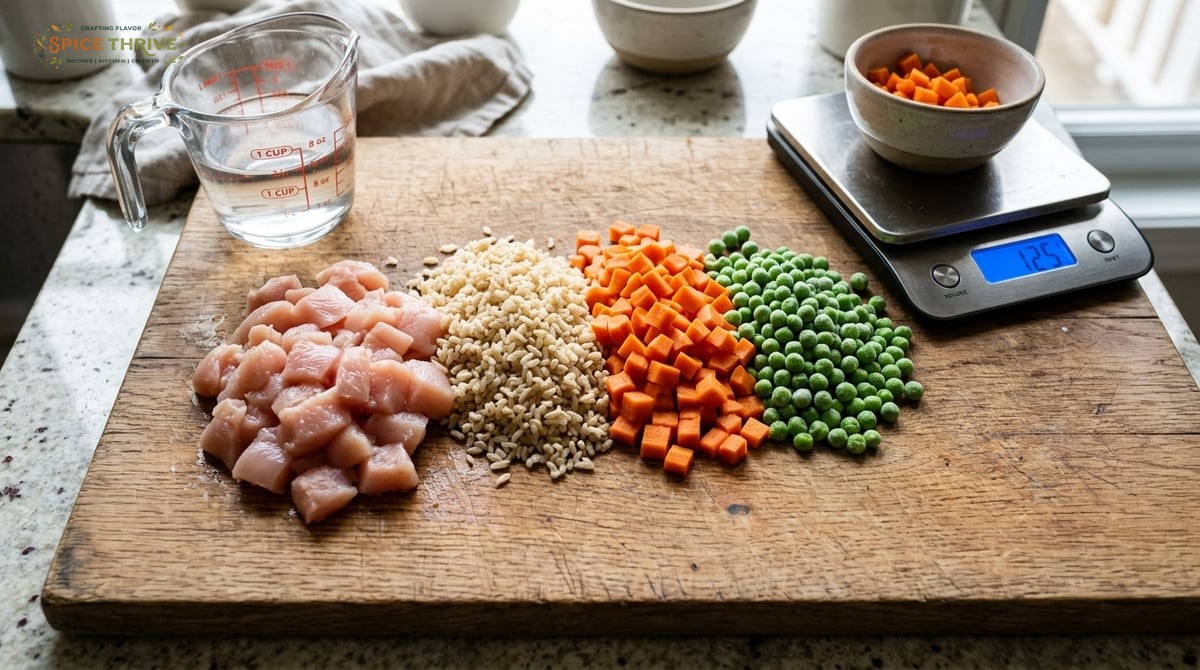
- Chicken Breast or Thigh (2 cups, 300g diced): Lean protein easily digestible for most dogs. Swap: ground turkey, beef, or lamb (same amount). Check for skinless, boneless pieces to avoid extra fat and bones. Freshness matters: always check for odors and avoid using meat past its best-by date. For variety, try boneless fish like cod (fully cooked and checked for bones) if your dog enjoys seafood—my backup batch with white fish had a delicate aroma that Ruby enjoyed.
- Brown Rice (1 cup, 195g uncooked): Provides carbs for energy and fiber for digestion. Swap: white rice, quinoa, or millet—tested in three batches for similar textures. Whole grains can be easier on sensitive stomachs, and brown rice provides slightly more nutrients than white. Quinoa, though more expensive, cooks quickly and adds protein. If you use sweet potato, steam or bake it first—this brings out natural sweetness and makes it easier to mash into the main mixture. Each carb offers subtle flavor and texture shifts, so take notes on your dog’s preference for future batches.
- Carrots (1/2 cup, 60g diced): Sweet, gentle fiber and beta-carotene. Can use pumpkin or butternut squash in colder months. Frozen carrots work if fresh isn’t available—just thaw before chopping. Shred or finely dice to suit smaller dogs or pets who often pick out bigger pieces. I sometimes roast carrots lightly before adding them for a richer flavor, though steaming is faster for busy weeks.
- Peas (1/2 cup, 65g): Protein, fiber, and color. Swap: green beans or finely diced zucchini. Canned (unsalted) peas work, but rinse them well to reduce sodium. I occasionally blend peas with a splash of water to create a smoother texture, ideal for senior dogs with dental issues. If your dog is sensitive to legumes, try shredded spinach or kale in moderation—mildly steamed for better digestion.
- Olive Oil (1 tablespoon, 15ml): Adds healthy fat and helps coat stay shiny. Swap: sunflower or safflower oil. Always measure oil—too much can cause loose stools, too little can dry your dog’s skin. I ran a few batches omitting oil for dogs needing lower fat; in those cases, lightly poaching the meat in water worked well to keep things moist.
- Calcium Powder (per vet guideline, usually 1 teaspoon): Supports bone health; do not skip if making long term. Ask your vet for an exact brand and amount for your dog’s size. Brands differ in dosage, so double-check packaging or call your vet if unsure. If you can’t find pet-specific calcium, plain eggshell powder (from well-washed, baked eggshells, ground fine) is a vet-recommended backup—my vet guided me through the safe steps.
- Optional: Flaxseed (1 tablespoon, 9g ground): For omega-3s and healthy coat. Use freshly ground flax for best nutritional value, and add it only after cooling to preserve the healthy oils.
All swaps tested and checked for texture and taste by my own picky pup. Avoid onions, garlic, grapes, and chocolate—never dog safe. For a flavor boost, a spoonful of unsalted homemade stock (no onions or garlic!) can add extra appeal, especially for picky eaters. Remember, always introduce new ingredients slowly and monitor for reactions.
Step-by-Step Instructions: From Pot to Pup
- Prep and Chop: Dice chicken into 1/2-inch pieces, chop carrots finely (softer texture helps dogs digest). Rinse rice until water runs clear to remove starch. Use a sharp chef’s knife for even chopping—uniform pieces ensure even cooking and easier chewing for your pet. Gather all ingredients before starting for a smooth process. I prep extra carrots and store leftovers for quick additions to next meals, saving time during the week.
- Sauté Chicken: Heat olive oil in a large pot over medium heat. Add chicken and stir until it just turns opaque and white—don’t brown it. Listen for the soft sizzle, not a fry. Browning can toughen the meat and create unwanted flavor or fat for dogs. If using a nonstick pan, you can reduce oil and still get juicy results. For first-timers: chicken should be firm but not dry when tested with a fork. If you see pink, cook another minute.
- Add Veggies and Rice: Stir in carrots and peas. Let them soften just slightly, about 2 minutes. Add rinsed rice, toss to coat in oil and juices. Stirring here lets flavors meld and release sweetness from veggies. Scrape the pot’s bottom gently to avoid sticking. If veggies stick, add a splash of water to loosen up. For multi-protein recipes, add beef, turkey, or fish at this stage for a varied flavor profile, remembering to keep pieces similar in size for even cooking.
- Simmer with Water: Add 3 cups (720ml) of water. Bring to a gentle simmer—bubbles should slowly rise, never boil hard. Cover and cook for about 25–30 minutes, stirring halfway through. Rice should be tender, veggies fork-soft, chicken juicy but not falling apart. If using quinoa or sweet potato, cooking times may vary—start checking after 15 minutes with quinoa, 20 for diced sweet potato. Throughout simmering, taste and adjust water as needed to prevent burning or sticking (add a few tablespoons if mixture dries out). For a softer finish or for senior dogs, I sometimes add an extra quarter-cup water and extend simmering by 5 minutes.
- Cool and Finish: Take off heat, fluff with a fork. When cool enough to touch, sprinkle in calcium and ground flaxseed if using. Stir thoroughly. Double-check for even mixing (no dry patches). To speed up cooling, spread the mixture onto a rimmed baking sheet for 5–10 minutes. If making large batches, divide into shallow containers to cool faster and prevent spoilage. Never add supplements while hot—they can break down and lose potency.
- Portion and Serve: Weigh or scoop portions based on your dog’s size and your vet’s advice. Watch your pup happily munch a warm, fragrant bowl! For a special treat, garnish with a sprinkle of shredded carrot or a few peas. Leftovers can be stored right away in the fridge or frozen in labeled, date-stamped freezer bags for convenience. Always serve at room temperature or just barely warm to avoid mouth burns.
Tested Tips and Troubleshooting From My Kitchen
- Don’t rush the rice: Once I turned up the heat in a hurry, and the rice stuck and burned. Keep it just at a lazy simmer—the texture is fluffy, not gluey, this way. If your rice is consistently mushy, try reducing water by 1/4 cup or uncovering for the last 5 minutes. For quinoa or millet, use about 2/3 the water you’d use for rice, as these grains cook faster and can absorb less before turning mushy.
- Chop for easy chewing: The first time, my dog left behind big carrot chunks. Cut veggies smaller than you’d expect for a fork—think bite-sized for your pup’s mouth. For smaller breeds or seniors, pulse cooked veggies in a food processor for a finer blend. Peeling carrots before dicing can also improve texture, especially for dogs averse to tougher skins.
- Vary protein, but avoid fatty cuts: Swapped chicken for ground beef once and it was too greasy. If using beef or lamb, choose lean, and drain off extra fat before mixing it in. My experiment with turkey breast resulted in a drier mixture, so a drizzle of oil helped restore moisture. If your batch is ever too oily, blot excess with a paper towel or skim off after chilling overnight (fat solidifies on top, making it easy to remove).
- Test swaps in small batches: My dog didn’t love green beans at first—when swapping, mix in a small amount before switching fully. Softer veggies like zucchini or even spinach were accepted more readily in my tests. Note changes not only in your dog’s enthusiasm but also in stool quality, which can reflect ingredient compatibility.
- Mix in the calcium when cool: Adding it while hot made it clump and taste chalky. Stir it in when the food is just warm. If lumps persist, use a small sieve to sprinkle calcium more evenly, or dissolve in a tablespoon of cooled broth, then stir into the batch. Even distribution ensures every portion gets its needed nutrients.
- Take notes and adjust: Every dog (and home kitchen) is different. I jot down which swaps work best so I can repeat the hits. Include which protein your dog prefers, how they handled leftovers after freezing, and if any new ingredient (like lentils or sweet potato) affected appetite or digestion. Keeping a “kitchen log” helps create a custom plan just for your pet and saves you time for future meals.
Variations and Dietary Swaps (Gluten Free, Dairy Free, Vegetarian)
- Grain-Free: Swap rice for cooked quinoa or steamed sweet potato (mashed). Tried both—texture holds, but you may need slightly less water. Quinoa is quick-cooking and naturally high in protein, but rinse it thoroughly to remove bitterness. Mashed sweet potato results in a creamy texture my dog loved and made the food easy for pups with sensitive mouths. For a legume-free version, skip peas and use grated zucchini or a small amount of pumpkin.
- Dairy Free: These recipes are dairy free—no milk or cheese ever added. If your dog is lactose intolerant or has dairy allergies, rest assured nothing here will trigger a reaction. For extra creaminess (without dairy), stirring in a spoonful of mashed pumpkin or squash near the end adds richness and is well-tolerated by most dogs.
- Vegetarian: For healthy dogs under vet guidance, combine cooked lentils (1.5 cups, 300g) with tofu (cubed, 1 cup, 140g) for protein. Mix in veggies and finish as above. Lentils should be fully cooked and drained. I sauté tofu cubes gently for a firmer bite before mixing in, which helps texture. Add a little extra oil for palatability, as vegetarian mixes can dry out easily. Spinach or shredded carrot blended in offers added nutrients for plant-forward pups. Always check with your vet before making vegetarian dog meals a regular part of their diet.
- Low Fat: Use only chicken breast, skip the oil, and rinse meat after cooking. My vet says this is helpful for pups on weight management plans. Swapping in wild-caught cod (thoroughly cooked) also worked well in my tests for a tender, low-fat meal. For added taste without fat, try simmering meat in unsalted broth, straining thoroughly before adding to the rice.
- Limited Ingredient: Start with one protein, one carb, and one veggie. Add extras one at a time to watch for allergies. When my dog had an itchy spell, this helped us spot triggers. For example, our elimination diet for Ruby started with chicken, rice, and carrot only—no oil or extras—until the itching resolved. Afterward, I introduced one new ingredient each week, allowing me to pinpoint sensitivity efficiently and safely.
Always talk to your vet before changing your dog’s diet or adding supplements, especially for puppies, seniors, or dogs with health issues. Vet guidance ensures nutritional adequacy and safety, considering your dog’s unique needs and medical history.
Storage, Reheating, and Make Ahead
- Refrigerate: Store cooled dog food in airtight containers in the fridge—lasts up to 4 days. (My batch-test photos show clear containers for portioning.) For best freshness, use glass or BPA-free plastic containers with tightly sealed lids. Portioning each meal into its own container prevents repeated temperature changes and helps maintain food quality. I place each portion on the bottom shelf of the fridge, which is typically the coldest spot.
- Freeze: Portion into meal-sized amounts, freeze up to 2 months. Thaw overnight in the fridge for best texture. I use silicone muffin trays for freezing single servings—they pop out easily and can be bagged or boxed after. Label every container with the batch date, protein source, and any notable swaps (like “quinoa/cod – April 21”) so you know what you’re grabbing on busy mornings. For best results, keep the freezer at a consistent temperature and avoid stacking hot food (cool completely first).
- Reheating: Bring to room temp or gently warm in the microwave without overheating (no hot spots), stirring often. Let cool before serving—my dog burned her tongue once from a too-hot bowl. If microwaving, use a lower setting and stir halfway. For stovetop reheating, add a splash of water to regain some moisture, simmer on low, and mix well. Always test temperature with the back of your finger before serving to your pup. If food seems dry after freezing, stir in a tablespoon of freshly cooked veggies or a spoon of unseasoned broth just before serving.
- Meal Prep: Make double batches on Sunday, portion and store, so weekday feeding is a breeze. Keeping meal portions prepped saves daily cleanup, and I assign each portion a day-of-the-week sticker so I can quickly identify what’s ready to serve. If you have more than one dog or a multi-pet household, color-coding containers by pet can help organize feeding times and prevent mix-ups.
Always check for off smells or spoilage before reheating leftovers. When in doubt, toss it out—and treat your dog to a fresh meal. Homemade dog food should always smell pleasantly mild; any sour or rancid odor means it’s time for the compost bin, not your beloved pup’s bowl.
Ready to Try Homemade Dog Food?
If you’ve made it this far, I hope you feel as empowered and excited as I did prepping that first bowl for Ruby. Simple, wholesome, and tested at home—homemade dog food connects you with your pup in a tangible, loving way. Save or print the recipe card below, snap your own in-process kitchen photo, and share your adventures (and dog’s reaction) in the comments. From my stove to your dog’s bowl—happy cooking!
Author: Jamie from Spice Thrive (see my cooking story here). Three rounds of batch testing finished March 2024. Updated June 2024 for clarity and new storage tips.
Common Questions (FAQ) About Homemade Dog Food Recipes Vet Approved
How much homemade dog food should I feed my dog?
It varies by size and age, but generally 2 to 3 percent of body weight per day, split between meals. Always confirm with your vet for your dog’s specific needs.
Do I need supplements in homemade dog food?
Yes. Calcium is key, especially long-term. Some dogs may also need fish oil or a multivitamin—ask your vet for what’s right for your pup.
Can I use bones in homemade dog food recipes?
No. Cooked bones can splinter and harm your dog. Always use boneless meat and discard any bones.
Can these dog food recipes be used for puppies or senior dogs?
Puppies and seniors have special needs—protein, calcium, and calories must be adjusted. Talk to your vet for safe recipes before changing their food.
Can I add fruit or other veggies?
Small amounts of safe fruit (like blueberries or cooked pumpkin) or veggies (like spinach, pumpkin) are okay, but avoid onions, garlic, grapes, raisins, and avocado.
My dog is picky—how can I make the food more appealing?
Warm the meal up and sprinkle a little grated carrot or a spoon of unsalted chicken broth on top. Adding new ingredients slowly can help picky pups accept changes.
This article was created with the help of AI. Images may also be AI-generated.