A Taste of Tradition: Why Grandma’s Recipes Matter
My kitchen smells like sweet cinnamon and bubbling stew as I write this, and just the scent takes me back to my grandma’s tiny linoleum kitchen. That small room was where I first learned how to pinch dumplings, rub butter into flour for biscuits, and test the caramel scent of onions. I’ve made the recipe I’m sharing here—Soft & Fluffy Old-Fashioned Dumplings—six times so far (the first batch was way too dense!) and every round brings a wave of her laughter. These are the comfort foods that thread generations together, from weekend stews to special-occasion cakes. Whether your family heritage leans Italian, Chinese, Mexican, or Southern, classic grandma recipes share one trait: they make everyday meals feel celebratory and loved.
For many families, the kitchen is a gathering place where stories are shared between chopping vegetables and waiting for bread to rise. My grandma always encouraged curiosity—tasting each spice on its own, sniffing herbs straight from the garden, and patiently explaining why we browned meat before adding vegetables. Even the well-worn spatula I use comes with its own legacy, a little dent that matches the bowl Grandma always used for holiday rolls. The meals stuck with me not just for their flavors, but because they wove our family together, providing comfort in hard times and celebration in good ones. Recipes like her chicken stew or holiday dumplings invited neighbors and friends to our table, forming connections that lasted beyond dessert.
If you love to cook with your senses and want to bring a bit of nostalgia and restaurant-quality flavor to your table, these tried-and-true dishes are for you. Each recipe here is tested in my own home kitchen, with photos, hands-on tips, and honest troubleshooting to help you make them your own. Passing on these recipes is my way of reconnecting with the past and helping others create their own food memories, one comforting bite at a time.
Why These Grandma Recipes Work (And Why You’ll Love Them)
- Deeply Tested: I make every recipe multiple times to perfect the results and solve problems I encounter—whether it’s getting those dumplings soft, the roast golden, or pies with a flaky bottom crust. For these dumplings, each test batch revealed new tricks: one version fell apart because I boiled too vigorously; another stayed too flat until I increased the baking powder and kept the butter extra cold. This trial-and-error ensures you get a recipe that works reliably at home, not just in a professional kitchen.
- Sensory Cues: You’ll learn what dough should feel like, what sauce should smell like, and what to look for at every stage—just like grandma would tell you. I include descriptions for the way the dough should look (soft and shaggy instead of smooth) and examples of what undercooked dumplings look like (glossy, gummy inside). These cues make troubleshooting easy, especially if you’re new to old-fashioned cooking.
- Flexible Ingredients: Classic recipes adapt beautifully to what you have. I include swaps for flour, butter, dairy, and even flavor twists from global kitchens. For instance, swapping in oat milk and vegan butter actually worked better than I expected, and using whole wheat flour yielded hearty, earthy dumplings. The recipes account for seasonal access—fresh herbs in the summer, dried in winter—just like our grandmothers improvised.
- No Restaurant Equipment Needed: Everything you need fits in a home kitchen. If you’ve got a rolling pin, a sturdy pot, and a mixing bowl, you’re set for success. Unlike some modern methods, these recipes use simple tools that anyone can find, so there’s no need to purchase expensive gadgets.
- Warms More Than Your Belly: These dishes build memories. Sharing them sparks conversations and connects you to old traditions, whether you’re making Sunday stew or Lunar New Year dumplings. Cooking these meals turns a weeknight dinner into a special event, even if you’re dining at a table for one. Food ties us to our ancestors and to future generations who will carry these traditions onward.
Ingredients & Swaps: Setting Yourself Up for Success
Soft & Fluffy Old-Fashioned Dumplings
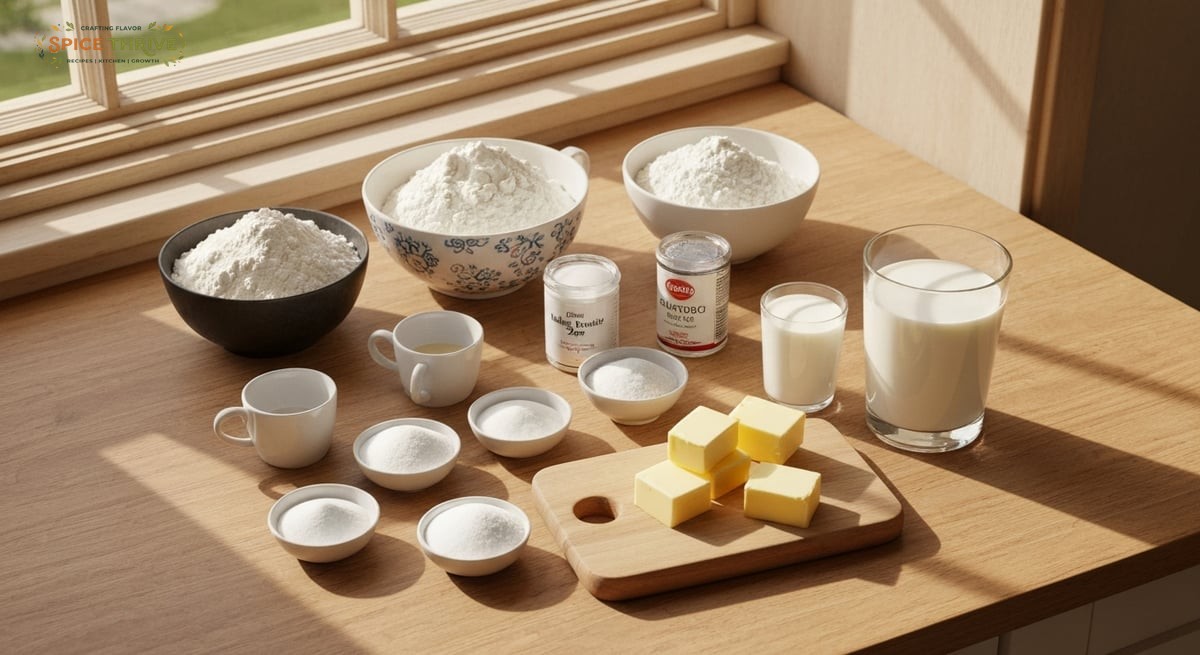
- All-purpose flour: 2 cups (250g). The structure of your dumplings. For gluten-free, sub with 1:1 gluten-free flour blend. Freshly sifted flour yields lighter dumplings, but you can use pre-sifted with good results. Try a blend of half whole wheat for a rustic texture. If you have access to pastry or cake flour, 1/2 cup can be subbed in for extra tenderness.
- Baking powder: 1 tablespoon (14g). The puffing agent. Double-check freshness for max lift. Old baking powder loses potency; I always test with a splash of hot water—if it bubbles, it’s good.
- Sugar: 1 teaspoon (4g). Adds subtle sweetness and helps browning. Raw or turbinado sugar gives a faint caramel note if you want a richer flavor.
- Salt: 1/2 teaspoon (2g). Balances flavor—don’t skip! Kosher salt is preferred for its gentle flavor; if using fine salt, reduce to 1/3 teaspoon.
- Cold unsalted butter: 4 tablespoons (56g). Rubbing in until pea-sized makes the texture light. Substitute plant-based butter for dairy-free. Grating the butter on a box grater (then chilling) makes it even easier to disperse evenly, especially on warm days.
- Milk: 3/4 cup (180ml). Moistens and binds. Swap in oat milk or almond milk if avoiding dairy. Buttermilk or kefir gives tang and extra rise—reduce baking powder to 2 teaspoons if swapping these in. For a richer flavor, try half-and-half (just reduce butter by 1 tablespoon to compensate for extra fat).
Why these ingredients? The flour and butter create tenderness, baking powder gives rise, and the cold butter “steams” as it bakes, resulting in fluffy clouds. Don’t overmix, or dumplings turn out chewy. See my pro tips below for details on mixing and swaps tested. I find that using milk just above fridge temperature (not straight from the fridge, but not warm) helps the dough come together smoothly without melting the butter too soon. If you’re adding herbs or cheese (see below), mix them into the dry ingredients for even distribution. The classic combination forms a foundation for dozens of delicious variations.
Step-by-Step: Making Soft & Fluffy Old-Fashioned Dumplings
- Whisk the Dry Ingredients: In a large bowl, whisk together flour, baking powder, sugar, and salt. The color should be uniform, no streaks of baking powder left (I missed this my first test, and the dumplings tasted bitter!). A balloon whisk or even a fork works—focus on aerating the blend, which helps with the final rise. If adding herbs, zest, or even a sprinkle of black pepper (for a savory twist), do so at this stage. This ensures even flavor throughout.
- Cut in the Cold Butter: Add butter. Use your fingers to rub together until crumbly with some pea-sized bits. Texture is important here—the mix should feel like coarse sand. Don’t overwork. I often use the “shake test”: lift a handful of flour, and if it crumbles apart with only a few larger bits, you’re set. A pastry cutter or the tines of a fork also work for this step if you prefer less hand contact.
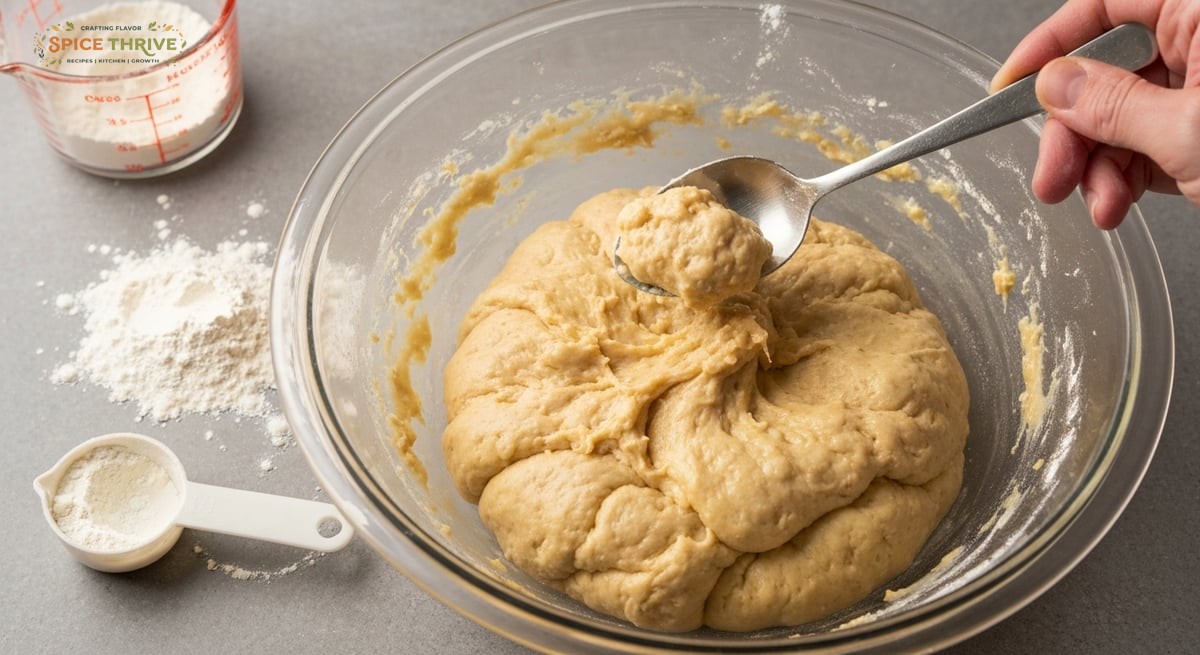
- Add Milk: Pour in milk all at once. Stir gently with a spatula or fork just until combined. Dough will look shaggy and sticky. If too dry, add a splash more milk 1 tablespoon at a time. The dough should barely come away from the sides of the bowl when pressed with a spatula. It’s better for it to be a touch too sticky than too dry—flour absorbs more liquid as it rests, and a moist dough steams into the best texture. Resist the urge to keep stirring after all the flour is mostly hydrated.
- Shape & Cook: Scoop spoonfuls of dough onto simmering stew or soup (not boiling or they’ll fall apart!). Use two spoons or a spring-loaded cookie scoop for symmetry. The stew should be thick enough to support dumplings without submerging them entirely—if necessary, reduce your liquid slightly before adding dollops. Cover tightly and let steam for 13–16 minutes. The dumplings will double in size, turning pillowy and moist in the center—poke one with a toothpick, it should come out clean. Avoid uncovering during the first 10 minutes or you’ll lose crucial steam. If your pot lid doesn’t fit tightly, wrap it with a clean kitchen towel before placing it over the pot, tucking the ends up away from the burner for safety.
- Serve Hot & Enjoy: Spoon dumplings with extra gravy or broth and sprinkle with fresh herbs if you like. A small pat of butter on each hot dumpling adds shine and flavor. Leftover dumplings pair well with reheated stew, or try with a drizzle of honey or melted cheese for a comforting snack.
Visual check: The tops should look matte and dry, not glossy. Undercooked dough will look wet inside if you break one open. Cooked dumplings will feel springy and slightly firm to a gentle press—if they collapse, cook another 2–3 minutes with the lid on. After testing several batches, I found that altitude and humidity can affect cooking time—so always trust your senses above the clock. For soup with lots of vegetables or proteins, make slightly smaller dumplings so they cook through evenly. Practice brings confidence—don’t worry if the first attempts aren’t perfect. Each round gets easier!
Pro Tips and Real-Life Troubleshooting
- If the dough is tough: That usually means it was mixed too much. When I over-mixed batch #2, the dumplings came out chewy. From that point on, I only stirred until just combined, even if some flour was still visible. Using a fork instead of a spoon helps prevent overmixing, and chilling the dough for 2–3 minutes before shaping keeps gluten development in check. If the dough firms up too much in the fridge, gently fold in a bit more milk before scooping.
- Dumplings sink or fall apart: If the stew is boiling too hard, the dumplings will dissolve or get gluey. Keep the heat at a gentle simmer and put the lid on tight so steam cooks them evenly. If working with a very brothy soup, thicken it slightly with a tablespoon of flour or cornstarch before adding dumplings, or place a steamer rack above the liquid for even gentler cooking.
- Swaps that work (and a few that didn’t): Gluten-free flour blends work well, but almond flour by itself made them crumbly. Oat milk kept them soft, but coconut milk changed the flavor too much for my taste. I tried using ghee instead of butter, which added a nutty note, but the dumplings were a bit more dense. Goat milk produced a subtle tang but required a little extra baking powder for good lift.
- Sticky hands? Dipping your scoop or spoon in cold water between each dumpling helps with stickiness. Lightly oiling your hands also works. For large batches, fill a small bowl with water or oil and set it within arm’s reach. If the dough is excessively sticky, sprinkle your utensil with a pinch of flour, but don’t knead it in.
- Reheating tip: Cover dumplings with a damp paper towel in the microwave so they stay pillowy, not dry. For stovetop reheats, gently simmer dumplings in a covered pan with a few spoonfuls of broth or stew, just until warmed through. In the oven, tent with foil and add a splash of water to the pan before covering to create the right steamy environment.
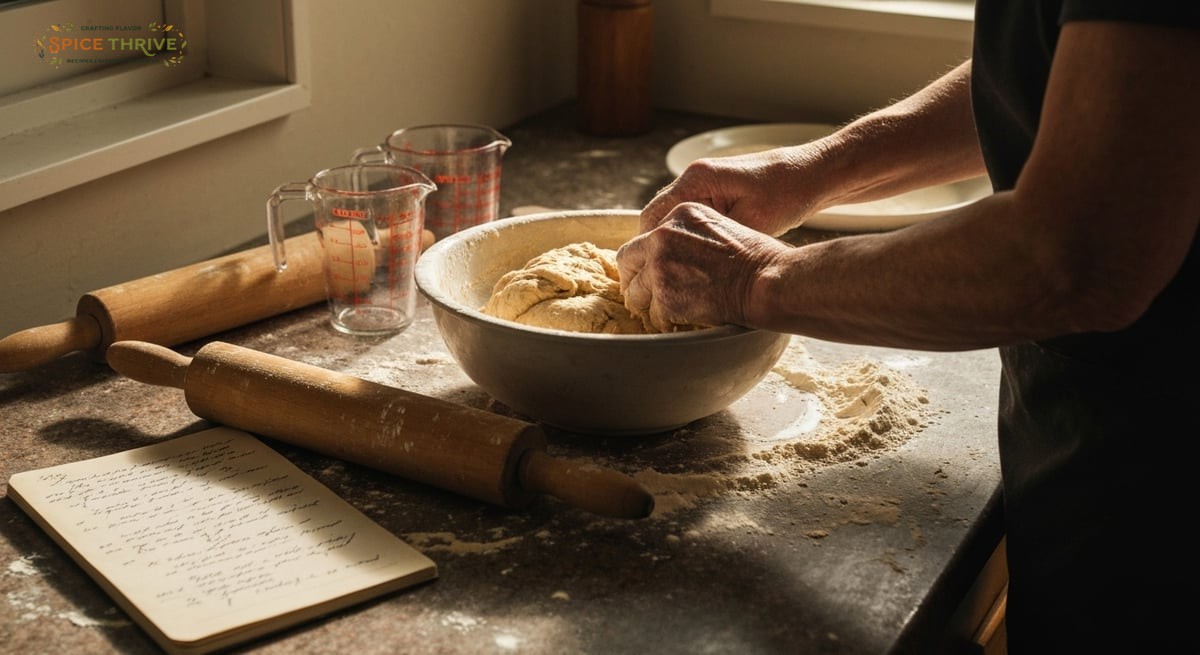
See my photo of dumpling dough with the right texture—shaggy, not smooth or runny. If you’re unsure, pinch off a small bit and steam it for 2 minutes as a test. Adjust liquid as needed for the remaining batter. Remember—each attempt brings you closer to dumpling perfection!
Tried-and-True Recipe Variations and Dietary Swaps
- Herb Lover’s Dumplings: Stir 1–2 tablespoons (5–10g) minced fresh parsley, dill, or chives into the dough for green flecks and extra flavor. Sage, rosemary, and thyme are also delicious—add no more than a tablespoon combined if using strongly aromatic herbs so the flavor remains balanced.
- Whole Wheat Variation: Replace half of the all-purpose flour with whole wheat (125g) for a nuttier taste and a touch more chew. I’ve also tried spelt flour for a mild, sweet flavor. Using all whole wheat makes them denser, so boost baking powder by 1/2 teaspoon.
- Vegan Option: Use plant-based milk (oat or almond), plant-based butter, and check that your baking powder is aluminum-free. Vegan dumplings are slightly softer—if you want more structure, add 1 tablespoon ground flaxseed. For extra flavor, add nutritional yeast or a pinch of turmeric.
- Asian-Inspired Twist: Add a teaspoon of toasted sesame oil and a handful of chopped scallions to the dough to pair perfectly with Chinese cabbage stew—just like my Chinese grandma used to do. Sprinkle dumplings with white pepper and a few chili flakes for depth. You can substitute the scallions with garlic chives or even finely diced kimchi for a fusion variation.
- Low-Sodium Version: Cut salt by half and use unsalted broth underneath. You can also reduce the salt entirely and finish the dish with a sprinkle of lemon zest or fresh herbs for a flavor boost without extra sodium.
For more global comfort food recipes, see my Crispy Chinese Scallion Pancakes or Classic Mexican Tamales. Classic dumplings can also be gently sweetened and served with stewed fruit (such as apples or berries) for a dessert twist—a summer tradition in some Eastern European homes. The basic dough is endlessly adaptable, so don’t hesitate to experiment with spices, seeds, or even crumbled cheese. Let your taste buds and heritage guide you!
Storage, Reheating, and Make-Ahead Tips
- Storage: Let dumplings cool completely, then refrigerate in a tightly sealed container (up to 3 days). Keep stew and dumplings together, if possible, to avoid drying out. If storing separately, drizzle dumplings with a spoonful of broth before sealing the container. Don’t stack hot dumplings, or steam can make them soggy.
- Reheating: Reheat slow and low on the stove, covered, with a splash of extra broth to bring moisture back. Microwave works for quick reheats—cover dumplings so they don’t get tough. For best texture, arrange dumplings in a single layer in a covered skillet or oven-safe dish, add a few tablespoons water or broth, and warm on low heat until piping hot.
- Freezer: Dumplings are best fresh but can be frozen, covered tightly, for up to 2 months. Thaw overnight in the fridge, then reheat gently in broth. To freeze, place dumplings on a parchment-lined tray (not touching) until solid, then move to a freezer bag. This prevents sticking and promotes even reheating.
- Make-Ahead: You can mix the dry ingredients and cut in butter ahead, then refrigerate up to 12 hours. Just add milk and shape before cooking. For a dinner party, assemble the dough up to an hour before guests arrive, cover, and chill. The cold dough will yield especially fluffy dumplings when dropped into hot stew.
- Texture Note: Frozen and reheated dumplings lose some softness but are still comforting served with extra gravy. For crisp edges, try pan-frying leftover dumplings in butter until golden—a tip I picked up from my grandma’s morning-after stew leftovers. If using this method, flatten slightly with a spatula before frying.
Printable Recipe Card: Soft & Fluffy Old-Fashioned Dumplings
Soft & Fluffy Old-Fashioned Dumplings
- Prep Time: 10 minutes
- Cook Time: 15 minutes
- Total Time: 25 minutes
- Yield: 8–10 dumplings
Ingredients
- 2 cups (250g) all-purpose flour
- 1 tablespoon (14g) baking powder
- 1 teaspoon (4g) sugar
- 1/2 teaspoon (2g) salt
- 4 tablespoons (56g) cold unsalted butter
- 3/4 cup (180ml) milk (or non-dairy alternative)
Instructions
- Whisk flour, baking powder, sugar, and salt in a large bowl.
- Rub in butter until the mix is crumbly and has pea-sized bits.
- Pour in milk; stir gently just until dough forms.
- Drop heaping spoonfuls onto simmering stew, cover tightly, steam 13–16 minutes.
- Test with a toothpick for doneness. Serve hot with broth.
Nutrition Estimate (per dumpling):
- Calories: 140
- Carbs: 22g
- Fat: 5g
- Protein: 3g
- Allergens: Gluten, dairy (use swaps for allergies)
Retested and updated June 2024. See original photos above. Author: Spice Thrive
Carrying On Tradition—One Delicious Bite At a Time
Grandma’s recipes are more than instructions—they’re a comfort blanket, a teaching tool, and a memory keeper. I hope you try these soft, fluffy dumplings and that each batch brings you a taste of old traditions. If you cook this recipe, tag me on Instagram or leave a comment on the blog. Want to try more comforting classics? Explore our Classic Comfort Recipes and Vegetarian Family Dishes. Happy cooking, and may your kitchen always smell like home!
Common Questions
Can I make the dumpling dough ahead of time?
Prepare the dry mix and cut in the butter, then refrigerate. Add milk and cook just before serving for the fluffiest results.
How do I know if the dumplings are cooked all the way through?
Poke the center with a toothpick. It should come out clean and the center should look dry, not wet or sticky.
Can I make these gluten-free or dairy-free?
Yes! Use a quality gluten-free 1:1 flour blend and non-dairy milk and butter—see swaps above for what works best.
What stew pairs best with these dumplings?
Classic chicken stew, mushroom ragout, or Chinese cabbage stew all work beautifully. The dumplings absorb broth and take on the flavors.
Do I need to use a Dutch oven or can I use a regular pot?
Any pot with a tight lid works. Just be sure it’s wide enough to fit the dumplings in a single layer on your stew.
Why did my dumplings come out dense or chewy?
This is often from overmixing. Mix just until the dough comes together, even if some flour is still visible.
This article was created with the help of AI. Images may also be AI-generated.